Skip to content

Women’s political participation
Women’s political participation
Women’s political participation
  • Women’s political participation
  • Women’s political participation
  • Women’s political participation
  • Women’s political participation
  • Women’s political participation

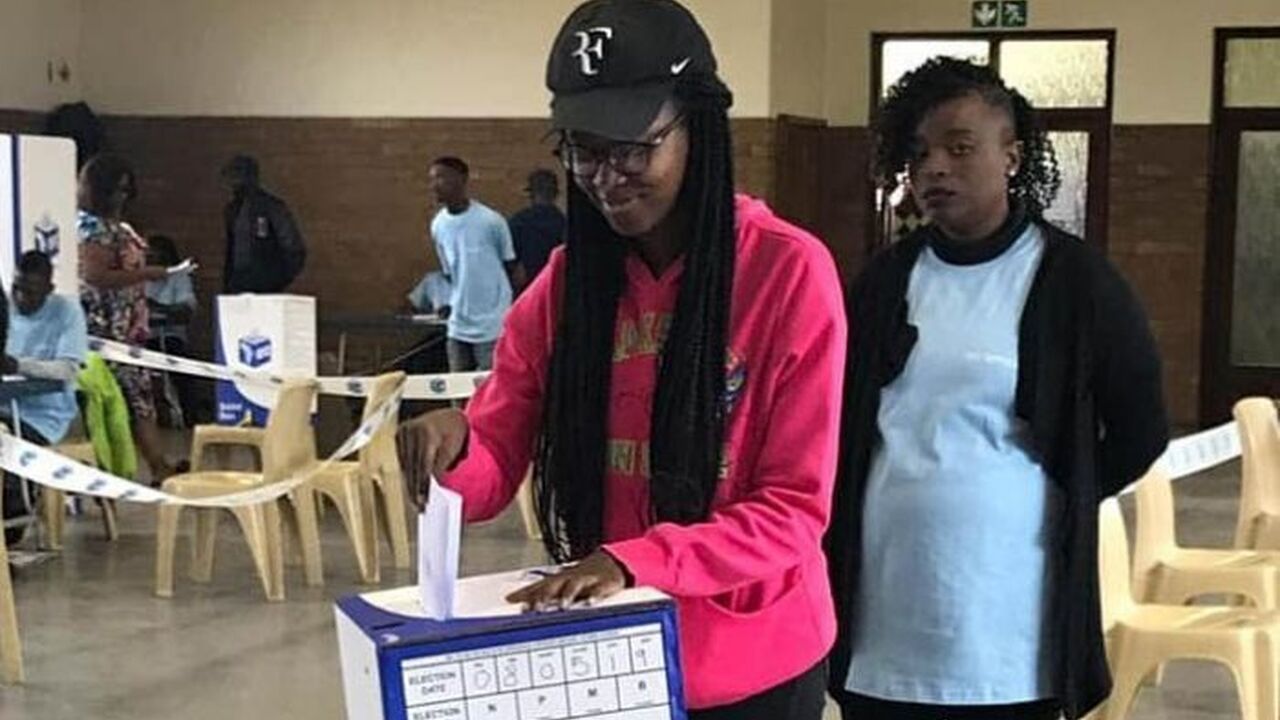
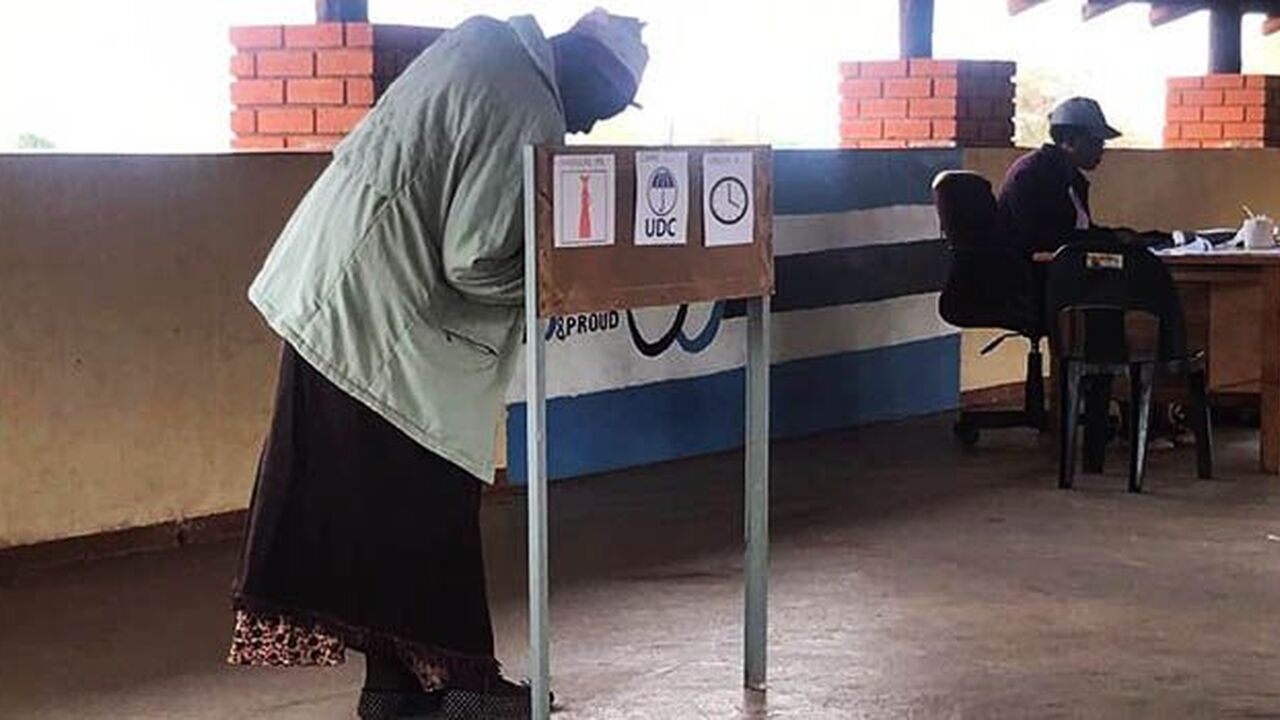
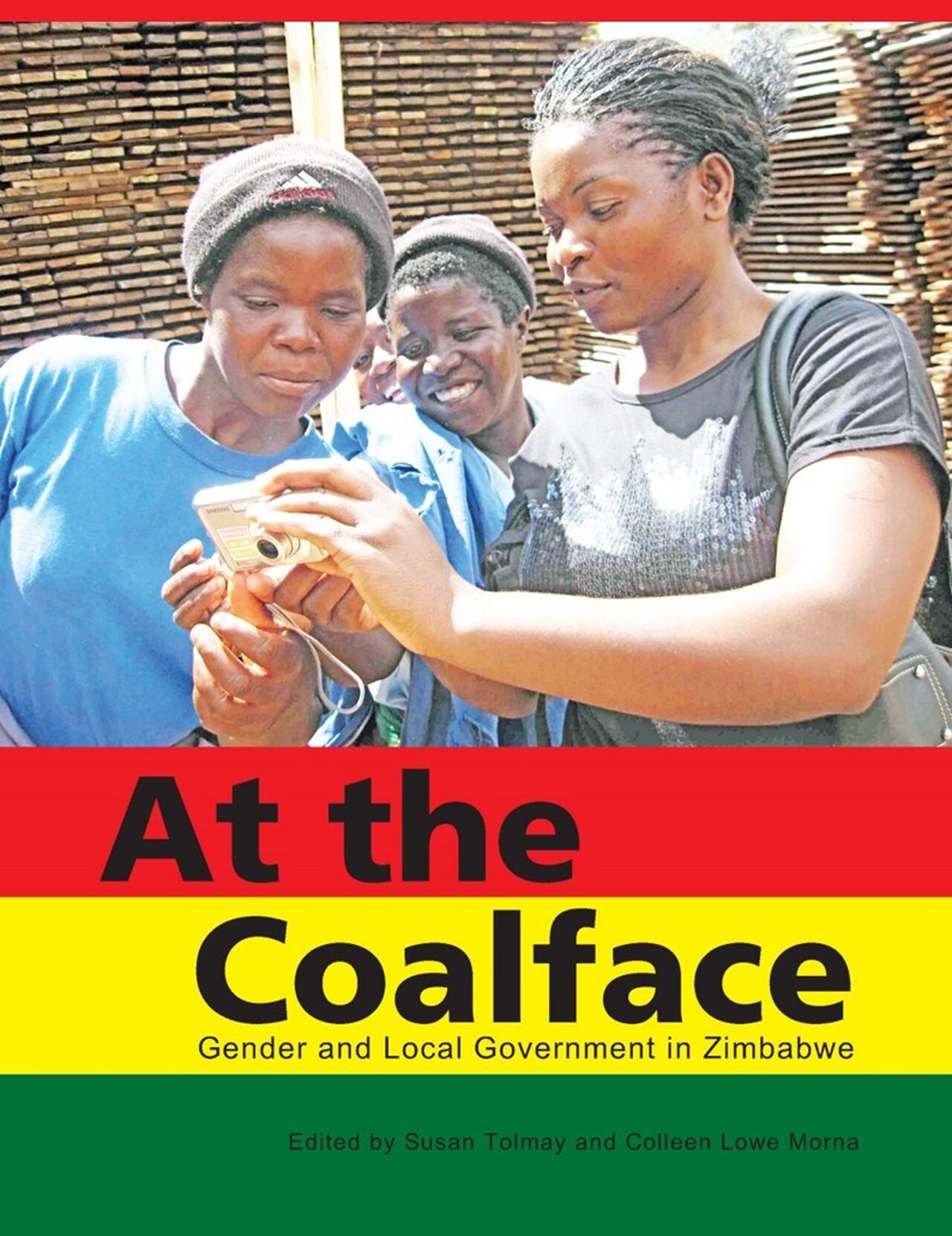
Gender Links strives to ensure that women have equal and effective representation and participation in political decision-making, as this is a fundamental democratic right. This results in more gender-responsive governance and decision-making.

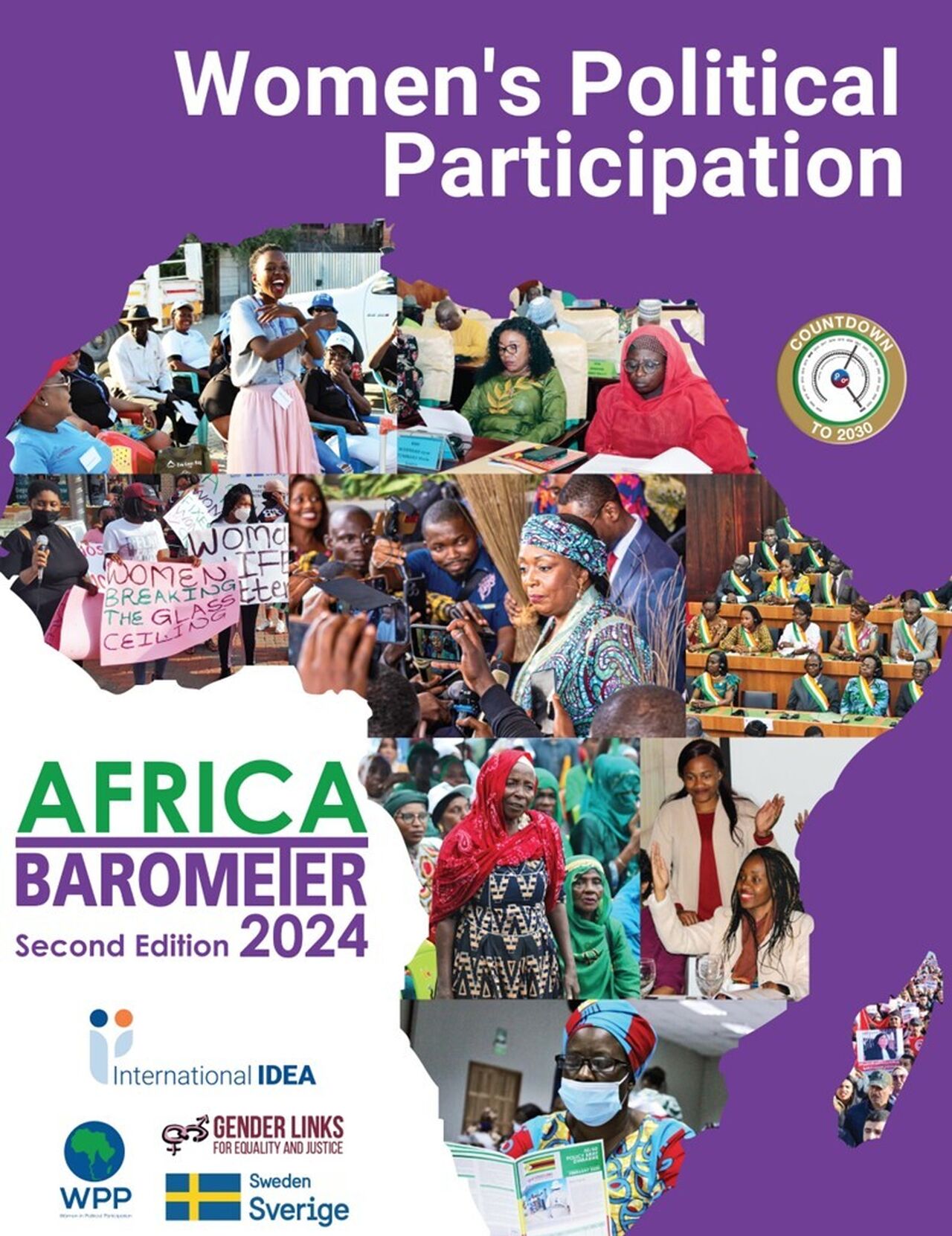
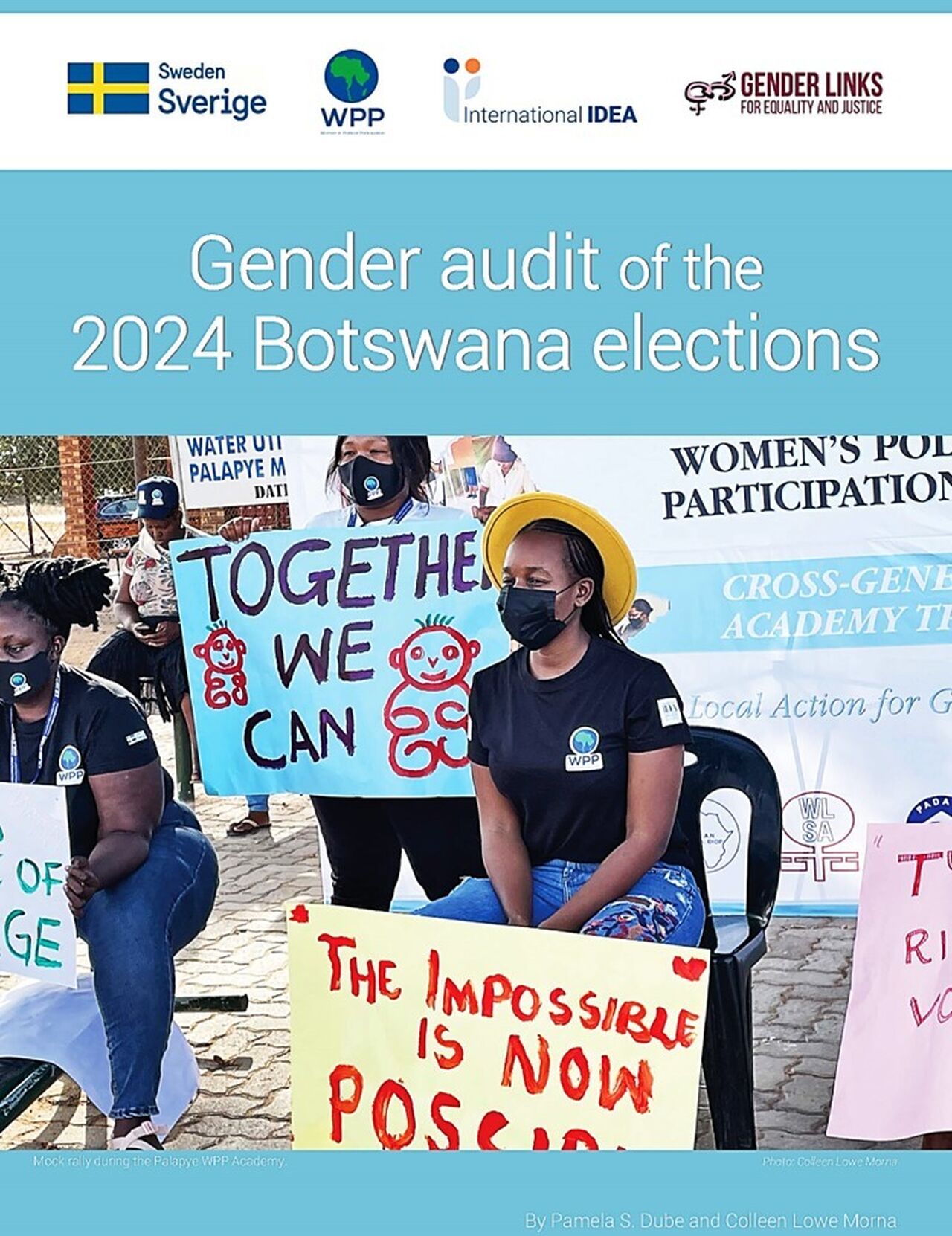
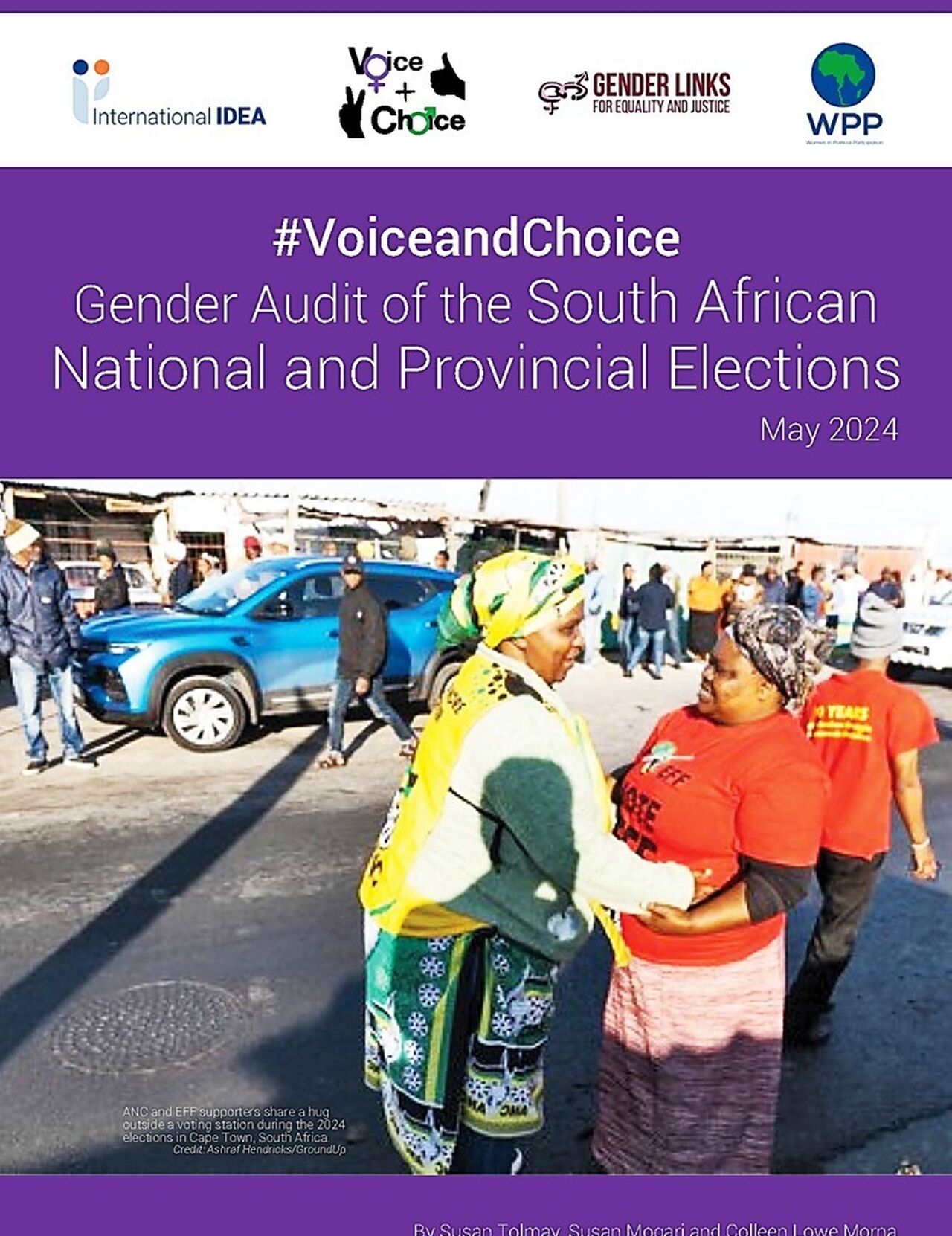
Our contributions include work on gender and local government; the WPP Africa Barometer, in partnership with International IDEA; and media training on covering women’s political participation.

We successfully campaigned for quotas for women in local government in Zimbabwe in 2023 and in Mauritius in 2013.

Key facts

Linecurve pink 2x
Only 25%

of MPs in Southern Africa are women

Only 24%

of local councillors in Southern Africa are women

There are 2

women heads of state in Southern Africa

Drivers of change

Linecurve pink 2x

Testimonials

Linecurve pink 2x

“Please accept our sincere and profound appreciation for the lecture that you gave on 12 September 2024, at the Provincial Thought Leadership Seminar. The Electoral Commission of South Africa (IEC) truly appreciates the substance and depth embodied in your lecture, particularly since the seminar was targeted at key provincial and national body polity stakeholders.”

IEC – Gauteng

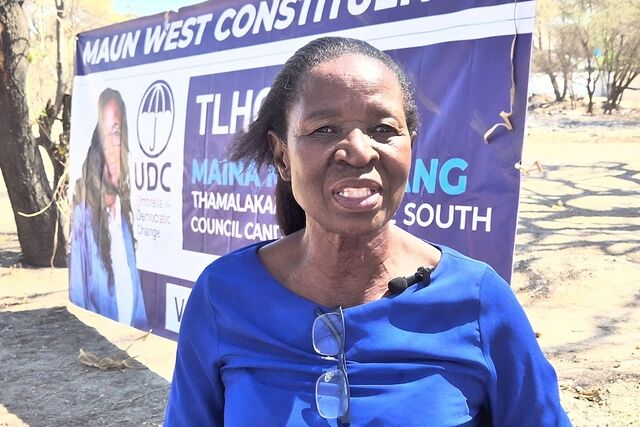
“I would like to thank all the political parties that have representation in this training, as well as International IDEA for the support that enables this training to take place and Gender Links for putting together such a rich and empowering programme. Participants must go implement what they will have learned these five days.”

Doreen Serumula, secretary of Botswana's Independent Electoral Commission

“This mail is to … express my gratitude for your presentation. It gives the right overview we need for advocacy for women’s leadership and participation at the political level. For years, we lacked aggregated data.”

Mariam Dao Gabala, Pan-African Parliament Committee on Gender Equality