Local action for gender justice

Local action for gender justice
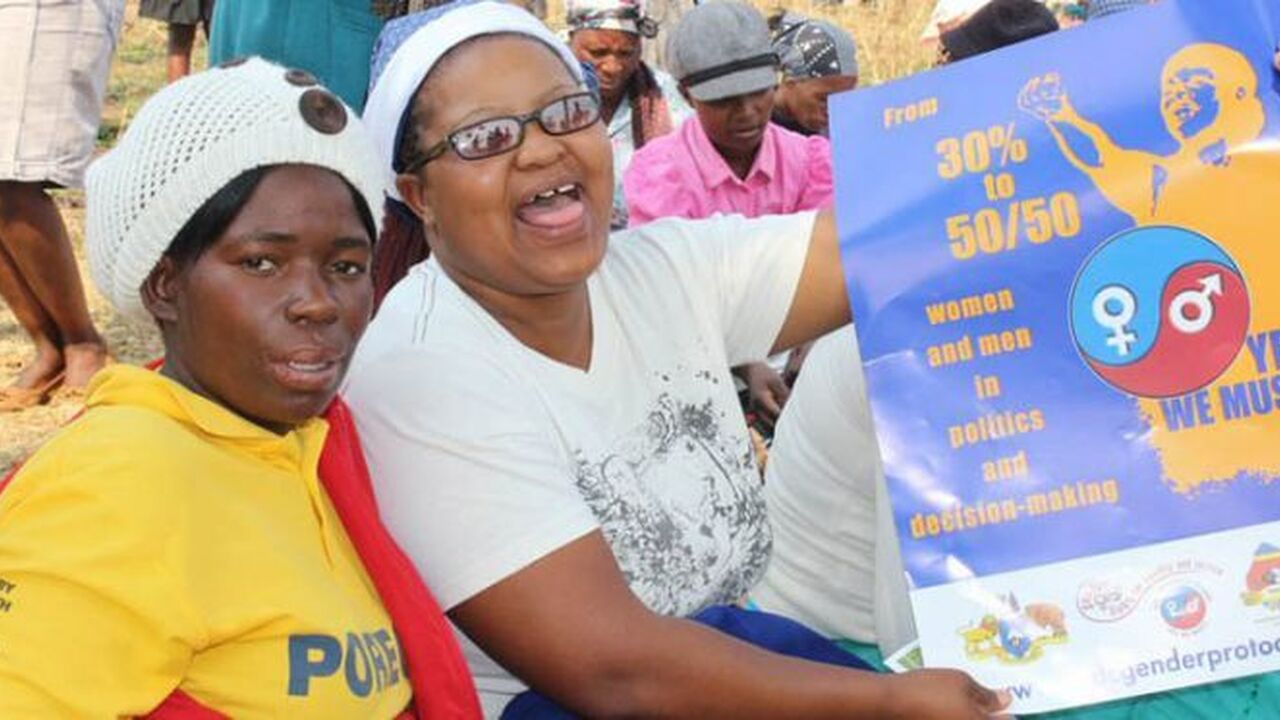
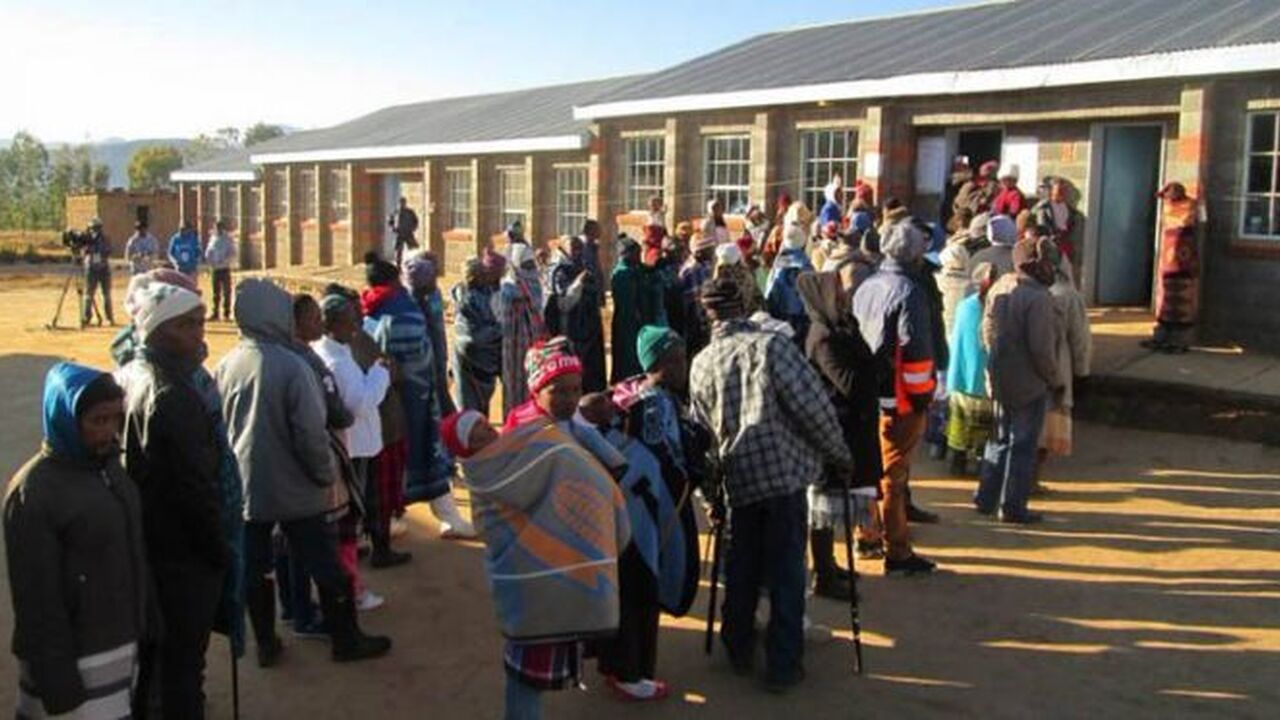
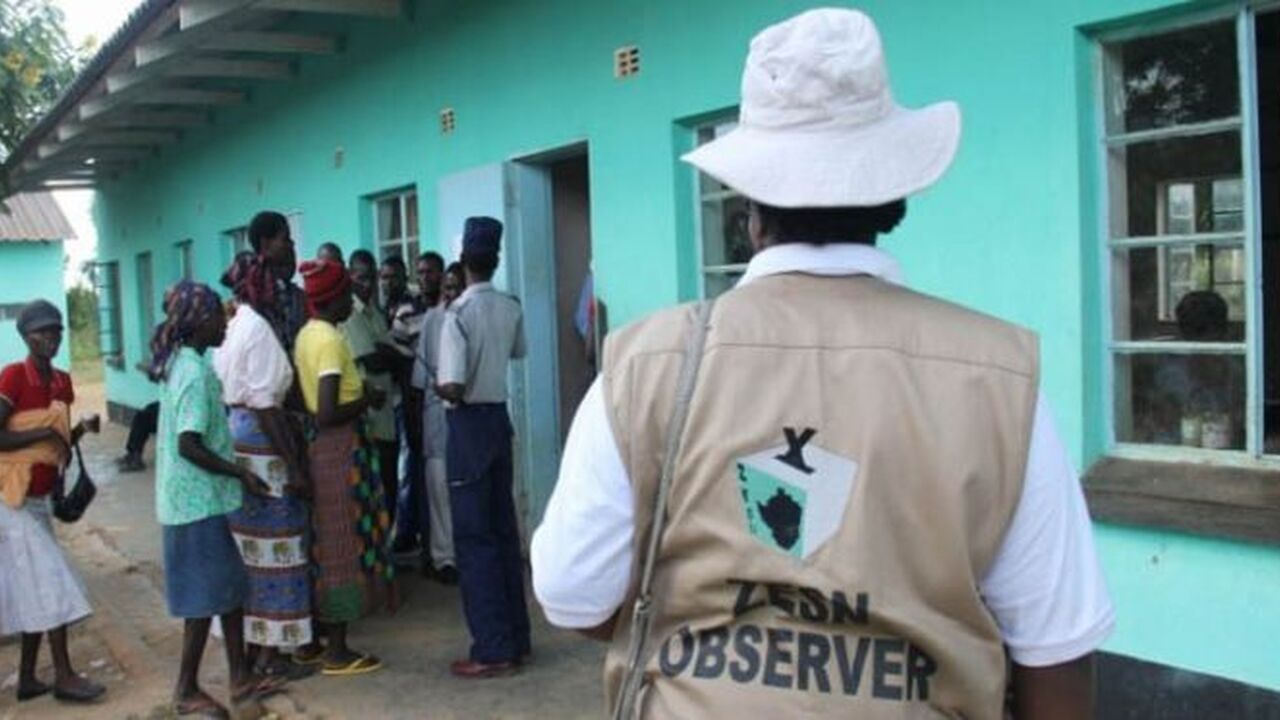
Gender Links has been a leader in prioritising women’s political participation at the local government level. The 2006 study, “At the Coalface: Gender and Local Government in Southern Africa,” was the first study in the SADC region to shed light on the underrepresentation of women at the local government level. The study revealed a significant gap that at the local level where efforts to involve and empower women were notably lacking. This deficiency was evident both within the institution and in their service delivery mandate.
A distinctive aspect of the Local Action for Gender Justice programme is its unwavering commitment from the very beginning to ‘go beyond numbers.’ This approach emphasises not just the quantitative inclusion of women but also the qualitative advancement of gender-responsive governance. The programme seeks to identify and implement innovative strategies that ensure women’s voices are not only heard but also influential in shaping policies and practices at the local government level.
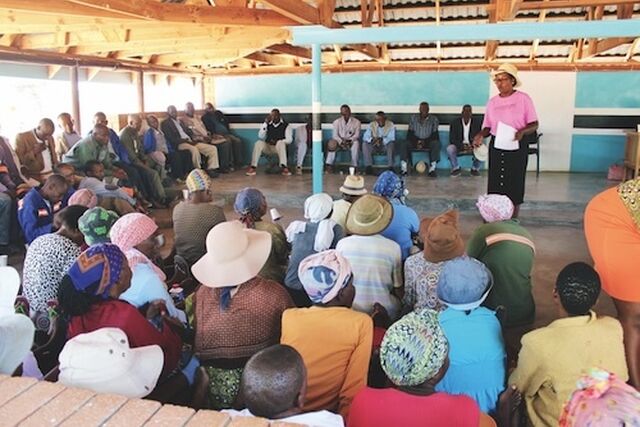
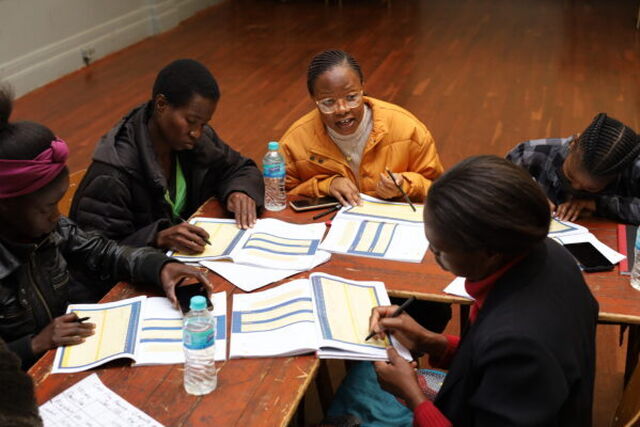
Using evidence from the research, GL developed bespoke training and capacity building programmes on gender mainstreaming for local government councillors and officials. Gender mainstreaming in local government was cemented through the Centres of Excellence (COEs) process which arose from the observation that for change to be lasting, gender mainstreaming needs to be entrenched into local government policy. GL has worked with over 400 local councils in 10 countries across the SADC Region. The COE process sought to bring together research, policy, action plans, on- the- job support and capacity building in a unique model that gave local expression to the 28 targets of the SADC Protocol on Gender and Development.