South African: GBV activist rebuilds her life and empowers others

Thirty-year-old Sebolelo Maseola knows what it means to survive. For years, she carried the weight of trauma caused by sexual abuse, substance dependency and unresolved pain from her past. The challenges affected every aspect of her life, including her ability to care for her three children. At her lowest point, she faced child neglect charges, risked losing custody of her children and experienced growing conflict with her extended family due to behaviour linked to substance abuse.
Today, Sebolelo tells a different story.
Through support from Usizo Community Development Project, she accessed external counselling as well as the organisation's Open Up and Heal sessions, designed to help survivors confront trauma, rebuild their confidence and develop healthier coping mechanisms. The journey was not easy, but it gave her an opportunity to confront painful experiences that had shaped her life for many years.
As she worked through the counselling process, Sebolelo began taking steps towards healing and recovery. She gradually rebuilt her relationship with her children and started working towards healthier relationships with family members. Most importantly, she found the strength to break free from substance abuse and focus on creating a stable environment for her family.
Reflecting on her journey, Sebolelo says:
“Through sessions and counselling I have learned to deal with my past and forgive my mother for her past mistakes and failure to protect me. I am now clean and learning to be a good mom to my kids.”
The positive changes in her life have extended beyond her personal wellbeing. With support from Usizo, Sebolelo received assistance in preparing and submitting her curriculum vitae to local employers. She is now employed at a local funeral parlour, providing her with an opportunity to support herself and her children while rebuilding her independence.
Her story is one of several examples that demonstrate how access to counselling, safe spaces and practical support can help women overcome violence, trauma and social exclusion.
For many women participating in Usizo's programmes, the journey towards empowerment begins with recognising their own worth and ability to make decisions about their lives.
Programme beneficiary Simangele Mpanza shares how the support she received helped her leave an abusive relationship and prioritise her own wellbeing and that of her son.
“I have left my abusive husband, Jeffrey Zwide, whom I never thought I could ever survive without because he had been filling my head with silly ideas of thinking that I could never make it without him. But I'm glad to say that after the time I have spent at Usizo, I managed to reflect and decided to choose me and my son.”
Women participating in the programme say the support has strengthened their confidence and equipped them with knowledge and skills to navigate challenges within their homes and communities.
“We are happy to be part of Usizo Community Development Projects and can say that we are well equipped and empowered to be better mothers and women within our community.”
Beyond individual transformation, Usizo continues to support women facing broader social and economic challenges. The organisation has observed that many beneficiaries work in the recycling industry, often operating in unregulated environments where they face significant risks and intimidation. Women in the sector frequently encounter barriers linked to gender inequality and limited protection.
To address these challenges, the organisation is engaging law enforcement authorities while exploring sustainable strategies to strengthen economic empowerment opportunities for women and ensure they can earn a living safely and with dignity.
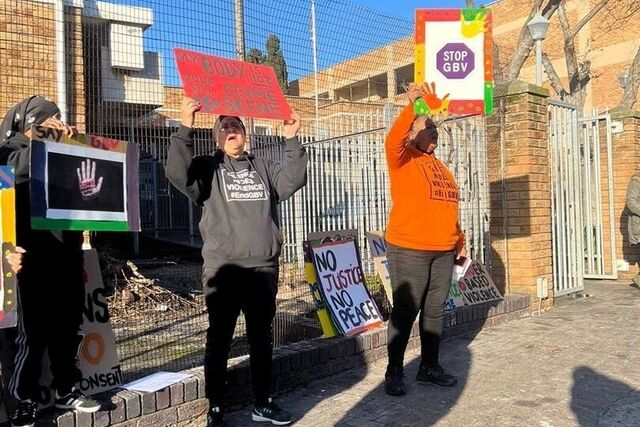
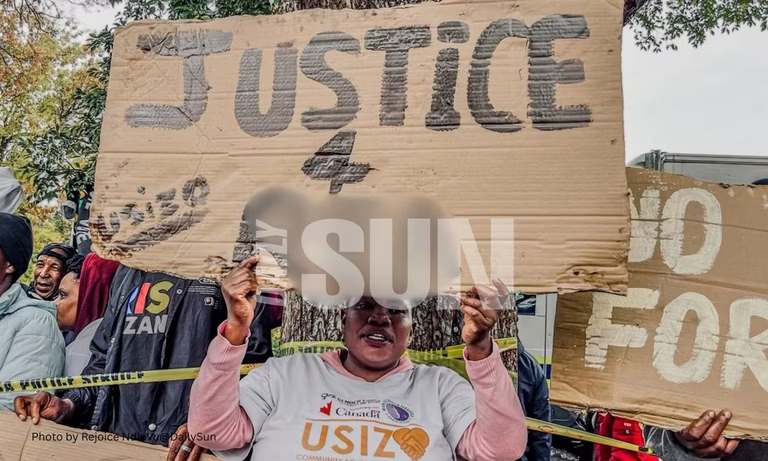
The organisation also provides court support to survivors of violence and their families. Community members recently came together in support of a 13-year-old child who was sexually violated by a prominent community member, underscoring the continued need for collective action against gender-based violence.
Sebolelo's story is a reminder that healing is possible when survivors have access to support, opportunities and communities that believe in their potential. From a mother at risk of losing her children to a woman rebuilding her life and providing for her family, her journey reflects the power of resilience, counselling and community-based support.
As she continues her path of recovery, Sebolelo's experience offers hope to other survivors facing similar struggles: that a painful past does not have to determine the future. With the right support, women can reclaim their lives, strengthen their families and become agents of change in their communities.
Comments
Related Stories Of Change