South Africa: Rising within my community as a GBV activist

In Cuba, an informal settlement in Ku Gompo City, unemployment, poverty and gender-based violence (GBV) remain daily realities for many residents. Opportunities for young women are often limited, and community members frequently rely on social grants to support their households. Against this backdrop, one young woman has emerged as a powerful example of how leadership, determination and community action can create lasting change.
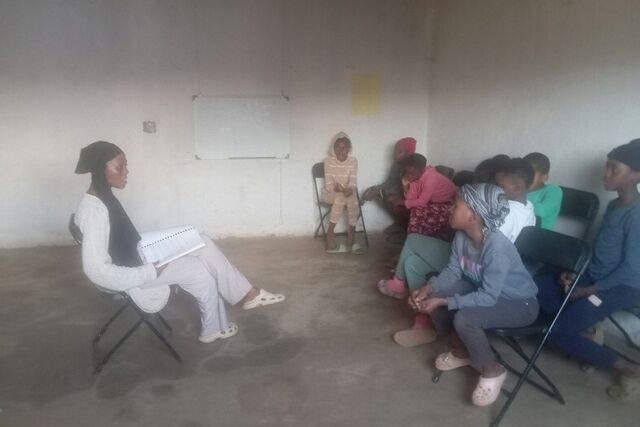
Asandisiwe Faye's journey began when she participated in Gender-Based Violence training through Masimanyane Women's Rights International. Although naturally shy and reserved at the time, she consistently attended training sessions and actively engaged in community activities. What started as a personal commitment to learning about GBV gradually evolved into a mission to create positive change within her community.
Recognising the challenges faced by young women in Cuba, Asandisiwe stepped forward to lead a young women's group known as the Dream Chasers. Under her leadership, the group pursued a range of development opportunities made available through Masimanyane. One of their most successful initiatives was the establishment of a community garden, which helped address food insecurity while creating opportunities for members to generate a small income through the sale of produce.
The project did more than produce vegetables. It demonstrated the power of collective action and gave young women practical experience in leadership, teamwork and entrepreneurship. It also helped participants see new possibilities for their futures beyond unemployment and dependency. As Asandisiwe's confidence grew, so did her influence within the community. She became increasingly involved in campaigns aimed at preventing GBV and supporting survivors. One of the most significant examples of this leadership emerged when community members mobilised against the granting of bail to individuals accused of rape.
Working alongside the Dream Chasers, Asandisiwe organised door-to-door fundraising efforts to help community members travel to the local magistrate's court and participate in demonstrations. Residents contributed money towards transport costs, enabling a strong community presence at protests demanding accountability for perpetrators of GBV.
The successful mobilisation demonstrated both the community's growing commitment to addressing violence and Asandisiwe's ability to unite people around a common cause. It also increased her visibility as a community leader and advocate for social justice.
Her dedication did not go unnoticed. As a result of her activism and leadership, Asandisiwe was selected to represent her metropolitan area at the South African AIDS Conference in 2025. She also began serving as a master of ceremonies at various community events and participated in radio discussions focusing on GBV awareness and prevention.
These opportunities further strengthened her confidence and public speaking skills, allowing her to become an even more effective advocate within her community.
One stakeholder reflected on her selection for the conference, saying: "Asandisiwe came to mind immediately when we selected participants to the SA AIDS Conference at Emperors Palace in 2025 because she has shown great leadership."
Another community member highlighted her organisational abilities: "Siwe is a dependable person who can organise groups of people within a short space of time."
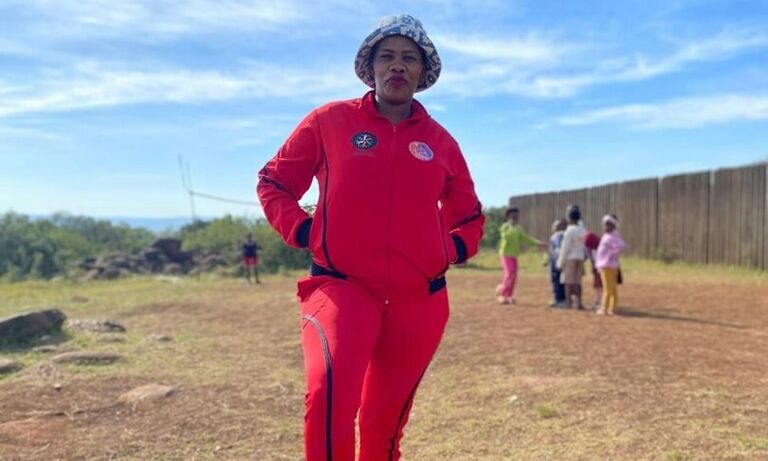
Perhaps the most significant milestone in Asandisiwe's journey came in 2026 when she was appointed as a coach in the Ibhola Ekhatywayo Ngamantombazana (IEN) programme, a grassroots girls' football initiative established by Masimanyane Women's Rights International. The programme uses sport as a platform to empower girls, promote gender equality and challenge the attitudes and behaviours that contribute to GBV.
Asandisiwe now coaches a girls' football team in Cuba and receives a stipend for her work. For a young woman who previously faced unemployment, the appointment represents both economic empowerment and recognition of her leadership potential. The role enables her to mentor girls, build confidence among young players and use sport as a tool for social change. Through regular coaching sessions and participation in leagues and tournaments, she encourages girls to develop leadership skills, teamwork and self-belief while promoting positive messages about gender equality and respect.
The appointment was a natural progression of the leadership qualities she had demonstrated over several years. As one programme representative noted: "Asandisiwe displayed talent for football, and we didn't hesitate to appoint her as a coach."
Evidence of change can be seen both within the community and in Asandisiwe's personal journey. Community members contributed funds to support anti-GBV protests, demonstrating increased collective action against violence. The Dream Chasers continue to create opportunities through their gardening initiative, while Asandisiwe's appointment as a coach provides tangible evidence of her growth from an unemployed participant to a paid community leader.
The impact extends beyond one individual. Through her leadership, more young women are participating in GBV awareness activities and seeking opportunities for economic empowerment. Her example shows that young women can become agents of change within their communities when given access to training, support and opportunities.
The next step in Asandisiwe's leadership journey will see her participate in AWACN Champions training, where she will gain skills to become a trainer of trainers and expand her impact even further. She will also continue her involvement in community mobilisation, GBV prevention and youth development initiatives.
Asandisiwe's story illustrates how investing in young women's leadership can transform not only individual lives but entire communities. From a shy, unemployed young woman to a respected GBV activist, public speaker and football coach, she has become a role model for others in Cuba. Her journey demonstrates that when young women are empowered with knowledge, opportunities and support, they can rise above challenges, inspire others and help build safer, more equitable communities for future generations.
Comments
Related Stories Of Change