South Africa: Strengthening inclusive feminist leadership and collective action to advance gender justice

For many women and girls with disabilities, as well as members of the LBTQI+ community, accessing gender-based violence (GBV) prevention, response and support services remains a significant challenge.Stigma, discrimination, inaccessible services and limited representation in decision-making spaces often leave these groups excluded from mainstream programmes and advocacy efforts. As a result, many survivors remain silent, fearing prejudice, secondary victimisation and the possibility that their experiences will not be taken seriously.
In the Eastern Cape, Masimanyane Women's Rights International, with support from Gender Links, set out to change this reality by placing inclusion, leadership and intersectional feminist action at the centre of its work. The programme sought to ensure that women and girls with disabilities and members of the LBTQI+ community were not only participants in GBV prevention initiatives, but recognised as leaders, advocates and rights holders whose voices shape policy, services and community responses.
Prior to the intervention, disability inclusion was not consistently embedded within GBV programming, while LBTQI+ individuals frequently faced discrimination when accessing healthcare, psychosocial support and justice services. Opportunities to participate in advocacy processes, influence decision-making and contribute to community dialogue were limited. These intersecting forms of exclusion affected people's ability to exercise their rights and access meaningful support.
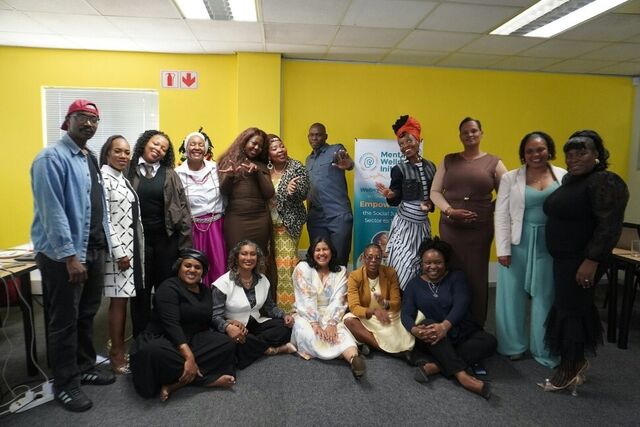
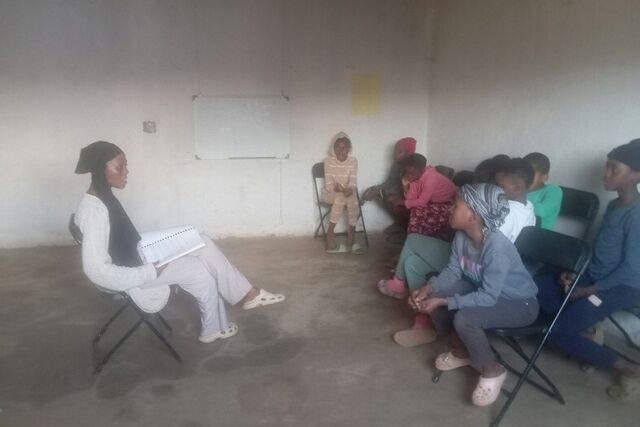
The Gender Links grant enabled Masimanyane to intentionally integrate inclusion into its programming. Women and girls from rural communities, persons with disabilities and members of the LBTQI+ community participated in GBV prevention activities, leadership development initiatives and sexual and reproductive health and rights education. This approach helped to create safer and more inclusive spaces where historically marginalised groups could share their experiences, build confidence and strengthen their leadership skills.
A key achievement of the programme was the development of strategic partnerships that opened doors previously inaccessible to many marginalised communities. Working alongside disability rights organisations, civil society groups and government stakeholders, Masimanyane played a growing leadership role in advancing inclusive gender justice.
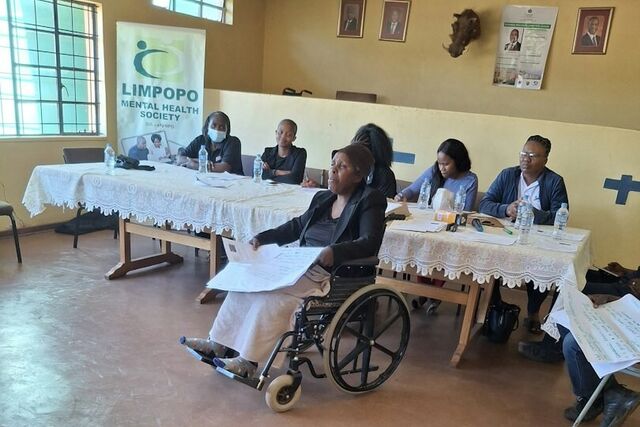
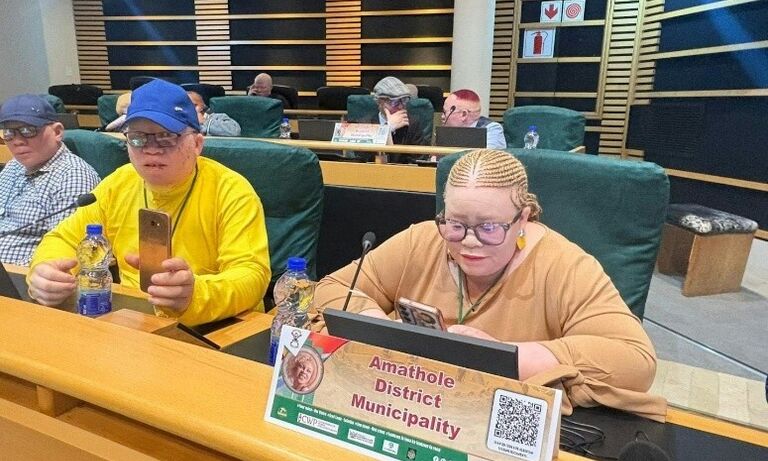
This was recognised when the Eastern Cape Provincial Legislature invited the organisation to chair the Disability Parliament on Albinism, bringing together 150 representatives from six districts and two metropolitan municipalities. The organisation was also invited to contribute to discussions on cyber security and its impact on women parliamentarians and women across Africa, as well as to participate in a Women in Leadership symposium that explored the significance of declaring Gender-Based Violence and Femicide (GBVF) a national disaster.
The programme further strengthened collaboration with Social Health and Empowerment (S.H.E.), disability-focused organisations and higher education institutions. Gender diversity training was conducted for community groups, an NGO and youth with disabilities, while joint research initiatives helped strengthen understanding of survivor experiences within Thuthuzela Care Centres. Through these partnerships, service providers gained greater awareness of the specific challenges faced by marginalised groups and the importance of survivor-centred responses.
Another important area of work focused on addressing sexual corruption. In partnership with the Legal Resources Centre and the African Women Against Corruption Network (AWACN), Masimanyane facilitated training for organisations supporting persons with disabilities, transgender women, university students and community leaders. The initiative equipped participants with the language, knowledge and confidence to identify and challenge abuses of power linked to sexual exploitation.
For one participant, known as "Push", the training provided a breakthrough moment. “I never knew how to explain what I was going through and today I have the term ‘sexual corruption’,” they said.
The impact of the programme extended beyond individual awareness. Four participants were selected as AWACN champions and have already begun rolling out training within communities and institutions of higher learning. These champions are helping to ensure that the knowledge gained through the programme reaches even more people and contributes to long-term social change.
The growing recognition of disability inclusion within policy and advocacy spaces also demonstrated the programme's influence. Reflecting on the significance of the Disability Parliament, one stakeholder noted: “This disability parliament is the first of its kind in the country.”
Partnerships strengthened through the Gender Equity and Reconciliation International (GERI) programme further reinforced collective action across the sector. Bringing together representatives from civil society, government and community organisations, the programme created opportunities for shared learning and stronger collaboration. As participant Thando observed, “The GERI training takes this partnership to a new level.”
Evidence of change can be seen in the increased participation of women and girls with disabilities and LBTQI+ individuals in advocacy platforms, community dialogues and leadership initiatives. Stronger partnerships with disability rights organisations and human rights stakeholders have improved referral networks, increased awareness of intersectionality and strengthened efforts to create more responsive services. Recognition of Masimanyane's leadership by government and civil society institutions further demonstrates growing confidence in inclusive approaches to gender justice.
Looking ahead, the organisation will continue embedding gender-transformative and inclusive practices throughout its programmes. Partnerships established through the Gender Links grant will support ongoing advocacy, survivor-centred service delivery and community mobilisation. Research findings, policy engagement and networks developed through initiatives such as GERI, S.H.E. and AWACN will continue informing efforts to strengthen accountability and access to justice.
By ensuring that the experiences and leadership of women and girls with disabilities and LBTQI+ persons remain central to advocacy and programming, Masimanyane is helping to build a stronger, more inclusive feminist movement. The initiative demonstrates that sustainable change is possible when those most affected by inequality are empowered to lead, influence decisions and shape the solutions that affect their lives. Through collaboration, inclusive leadership and collective action, communities across the Eastern Cape are taking meaningful steps towards a future where dignity, equality and justice are realities for all.
Comments
Related Stories Of Change