South Africa: From seed to harvest

In the rural communities of Giyani in Limpopo Province, gender-based violence (GBV) and HIV/AIDS continue to affect many families. Poverty, long distances to services, harmful gender norms, and limited access to support systems create significant barriers for those seeking help.
For years, many survivors of violence suffered in silence. Women often remained trapped in abusive relationships because of economic dependence, while stigma and fear discouraged people living with HIV from seeking support and openly discussing their status. Rural isolation made it difficult for residents to access healthcare, counselling, legal assistance, and community support services.
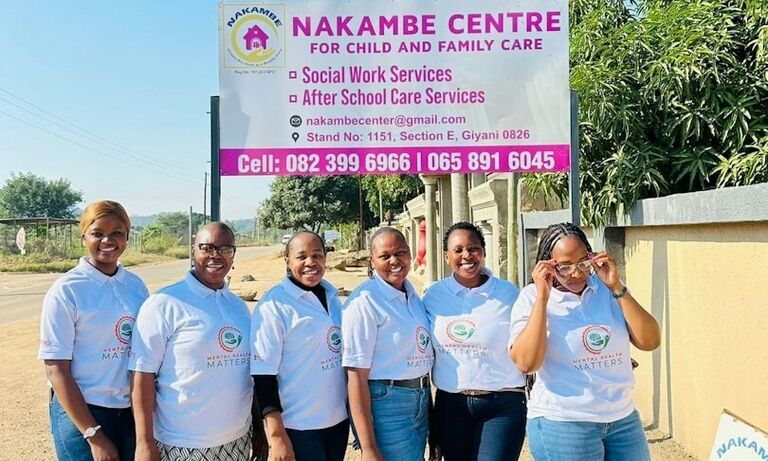
At the heart of these communities, the Nakambe Centre for Child and Family Care was determined to make a difference. The organisation had committed volunteers who wanted to support vulnerable individuals and families, but limited resources restricted their reach. Volunteers had the passion to serve, yet they lacked the training, tools, and support networks needed to respond effectively to GBV cases and promote community change.
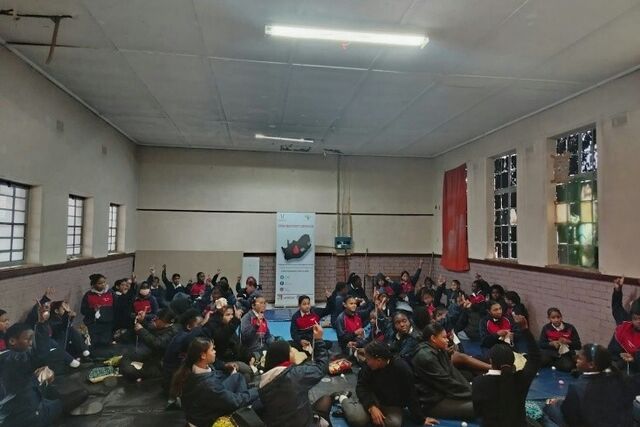
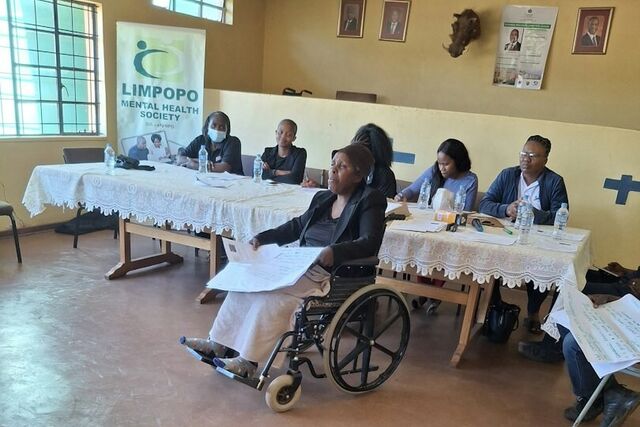
Everything began to change in January 2025 when Nakambe received its first funding, followed by additional financial support. The funding provided more than resources; it created opportunities for the organisation to transform its vision into action. With this support, Nakambe launched a GBV Advocacy Training Programme tailored specifically to the realities of rural communities. The programme equipped volunteers with practical skills to address violence, support survivors, and promote prevention.
Training included crisis intervention, psychological first aid, safe referral pathways, and methods for facilitating community dialogues. Volunteers learned how to connect survivors with legal and medical services while engaging men, youth, and community leaders in conversations about preventing violence.
The organisation also developed accessible training materials in local languages and provided refreshments and logistical support to volunteers travelling from remote settlements. This ensured that community members who would otherwise be excluded could participate fully in the programme. The impact was immediate and far-reaching.
Today, Nakambe has built a growing network of trained GBV advocates working across communities in Giyani. These advocates serve as trusted sources of information, support, and referrals for survivors. They are helping community members understand their rights, challenge harmful social norms, and access services that were previously out of reach.
A volunteer who completed the training reflected on the personal transformation that took place:
“Before the training, I wanted to help, but I was afraid of saying the wrong thing. Now, I have the tools and the confidence to guide a survivor from fear to safety.”
– Tintswalo
Community members have also begun to notice the difference.
“For a long time, we felt forgotten out here in the rural areas. Seeing our own neighbours step up as trained advocates makes us feel safe and heard at last.”
– Tsetselelo
For Nakambe, the funding meant turning commitment into measurable action.
“Passion can spark a movement, but resources sustain it. This funding transformed our volunteers from well-meaning bystanders into certified lifelines.”
– Kutshemba
The success of the advocacy programme attracted the attention of another donor, which resulted in additional funding to support community care workers through monthly stipends. As a result, the organisation has expanded its reach even further.
Today, more than ten volunteers provide comprehensive services across at least six communities. Their work includes door-to-door outreach, psychosocial support, awareness campaigns, and referrals to appropriate services. By bringing support directly into villages, they are reducing barriers that often prevent survivors and vulnerable families from seeking help.
Evidence of this change can be seen in the growing number of trained advocates, increased community engagement, and the expansion of services across rural communities. Survivors no longer need to travel long distances or face challenges alone. Instead, they can access support from trained individuals within their own communities.
The organisation believes that sustainable change depends on building local leadership. To ensure that progress continues, Nakambe plans to introduce a "Train the Trainer" model that will enable existing advocates to train the next generation of community leaders. The organisation also aims to strengthen partnerships with traditional leaders, religious leaders, and local stakeholders. By involving influential community members, Nakambe hopes to promote lasting cultural change and strengthen community ownership of GBV prevention efforts.
Monthly peer-support circles for volunteers will provide opportunities for learning, mentoring, and preventing burnout. These sessions will help advocates continue their work while maintaining their own wellbeing. Looking ahead, Nakambe plans to replicate the programme in neighbouring communities and strengthen referral networks with healthcare providers, social services, and justice institutions. These efforts will help create a coordinated response system that ensures survivors receive the support they need quickly and effectively.
What started as funding for a small community organisation has grown into a movement that is changing lives across rural Limpopo. The investment did more than support a project. It strengthened a network of local leaders, expanded access to essential services, and brought hope to communities that once felt forgotten.
Like seeds planted in fertile soil, the knowledge, skills, and confidence developed through this programme continue to grow. Each trained advocate represents a new opportunity for protection, support, and healing. Together, they are helping build safer, stronger, and more resilient communities across Giyani.
Comments
Related Stories Of Change