South Africa: A 14-year-old learner’s journey to protection and justice

For many adolescent girls, an unintended pregnancy can change the course of their lives. When fear, stigma, and silence surround the situation, the risks to their health, education, wellbeing, and future become even greater.
This was the reality facing a 14-year-old learner from Kimberley, South Africa. In the early stages of high school, the learner, referred to here as Jane Doe to protect her identity, entered into a relationship with an older peer that resulted in an unintended pregnancy.
Her parents, fearing community judgement and stigma, chose to keep the pregnancy a secret. Their decision came from a desire to protect their daughter, but the secrecy also prevented the family from accessing the support and services available to her. Without disclosure to the school, social workers, or other support structures, the learner faced significant risks to her physical health, emotional wellbeing, education, and access to justice. The situation came to light through Moswen NGO’s school-community monitoring framework. Once the case was identified, the organisation acted quickly to ensure that the learner received the support, protection, and care she needed.
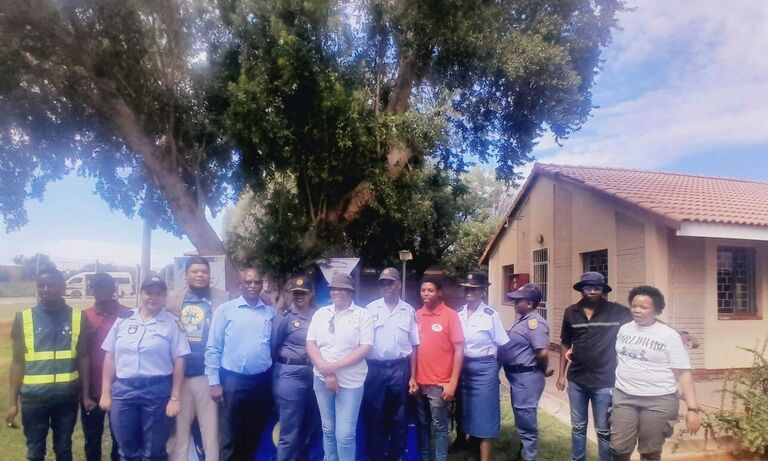
Moswen NGO coordinated a multi-sectoral response that brought together health, justice, law enforcement, and social service partners. The learner was referred to the Thuthuzela Care Centre, where she gained access to medical care, psychosocial support, and guidance in a safe and supportive environment. Recognising the serious nature of the case, the organisation also engaged the South African Police Service (SAPS). These enabled law enforcement authorities to investigate the circumstances surrounding the pregnancy and consider the legal implications of the relationship. At the same time, Moswen NGO worked closely with the family to raise awareness about the learner’s rights to health, education, protection, and justice.
The intervention demonstrated the value of collaboration. By working with social services, healthcare providers, justice institutions, and law enforcement agencies, Moswen NGO ensured that the learner did not have to face the situation alone. The coordinated response shifted her circumstances from secrecy and isolation to a place of support, protection, and accountability. Today, the learner is receiving ongoing care and support. Legal processes are underway, and service providers continue to monitor her wellbeing. The case highlights how timely intervention can help protect vulnerable young people and safeguard their rights.
The impact of the intervention is reflected in the voices of those directly involved.
Jane Doe described the difference the support has made in her life:
“Before Moswen came, I felt alone and scared. Now I know I have people who care about me, and I am getting the help I need.”
A SAPS official emphasised the importance of ensuring that justice processes are followed:
“The case file opened against the older partner is proof that justice processes are underway. This intervention ensures that the child’s rights are not ignored.”
A social worker from the Thuthuzela Care Centre highlighted the positive changes already visible:
“We can see the difference. The learner is attending her sessions, receiving medical care, and beginning to regain confidence. Without Moswen’s referral, she would still be hidden in silence.” Evidence of change is visible through documented referrals, active service provision, and ongoing legal processes. The learner now has access to a network of professionals and institutions committed to supporting her recovery, protecting her rights, and helping her continue her education and personal development.
While this story focuses on one learner, it reflects a broader commitment to protecting children and young people affected by gender-based violence and abuse. It also demonstrates the critical role that community organisations play in identifying vulnerable individuals and connecting them to appropriate services.
Moswen NGO plans to build on this success by strengthening referral systems in other schools and communities. The organisation aims to train teachers, community leaders, and parents on child protection protocols and expand partnerships with SAPS, Thuthuzela Care Centres, and social service providers.
The organisation also hopes to use lessons from this case to advocate for stronger sexual and reproductive health and rights policies that better protect adolescent learners.
Most importantly, this story shows what can happen when silence gives way to action. A learner who once faced fear and isolation now has access to care, protection, and justice. Through collaboration, advocacy, and a commitment to children's rights, one young girl's future is no longer defined by secrecy but strengthened by support.
Her journey serves as a reminder that every child deserves to be heard, protected, and given the opportunity to thrive.
Comments
Related Stories Of Change