South Africa: No dignity in R60 a year

For years, period poverty has been framed as a simple issue of access to sanitary pads. Yet the experiences of girls and young women in underserved communities across South Africa tell a different story. Menstrual dignity is about far more than receiving a packet of pads. It is about knowledge, confidence, access to appropriate products, and the freedom to discuss menstruation without shame.
Through support from the RWVL grant, the New Heritage Foundation has been working to address period poverty through a holistic approach that combines Sexual and Reproductive Health (SRH) education with practical support. The organisation's work has revealed that many girls are navigating menstruation with limited information, few trusted sources of guidance, and little opportunity to ask questions about the changes taking place in their bodies.
In many communities, menstruation remains a taboo subject. Girls often face embarrassment, uncertainty and stigma, which can affect their participation at school, at home and in community life. Without access to accurate information, myths and misconceptions frequently become their primary source of knowledge. As a result, many young people are left to manage a natural biological process in silence.
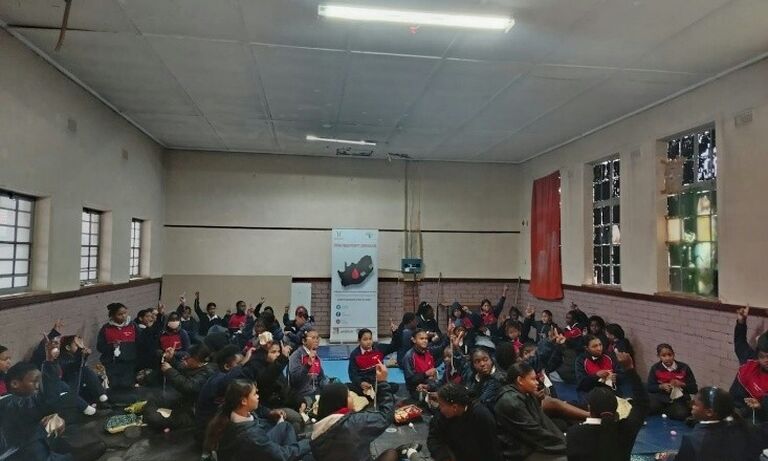
Recognising this gap, the New Heritage Foundation created safe spaces where girls can share their experiences openly. Rather than relying solely on traditional classroom-style teaching, the programme uses storytelling, dialogue, debates and participatory activities to encourage meaningful engagement. These sessions allow girls to discuss not only menstrual health but also the social, emotional and practical challenges that accompany it.
One of the most important lessons emerging from these conversations is that girls' needs are often more complex than outsiders assume. While sanitary pad donations remain valuable, participants have explained that donated products do not always meet their requirements. Some products are too small or insufficient for heavier menstrual flows, while others do not last long enough to provide adequate protection. Many girls have reported needing multiple packs each month, a reality that is rarely reflected in public discussions about period poverty.
These insights have helped shift the conversation from simply providing products to understanding dignity more broadly. True menstrual dignity means having access to accurate information, suitable products, supportive environments and the confidence to make informed choices about one's health and wellbeing.
Over the reporting period, the organisation observed significant changes. Girls participating in the programme became increasingly comfortable discussing subjects that were previously considered taboo. Many expressed appreciation for having a trusted environment where they could ask questions without fear of judgement. A recurring question from participants was why parents and caregivers often avoid discussing menstruation, puberty and reproductive health. This highlighted the continued need for accessible and age-appropriate education.
The response from schools has also demonstrated growing recognition of the programme's value. Principals and educators have repeatedly requested follow-up sessions, emphasising that a single intervention is not enough to address longstanding knowledge gaps. Schools increasingly view ongoing SRH education as an essential component of learner wellbeing and development. Beyond schools, there has also been a noticeable shift among donors and private sector stakeholders. Years of advocacy, community engagement and awareness-raising helped build understanding of the deeper realities of period poverty. During this reporting period, that work began translating into tangible support. A key moment came when the organisation publicly challenged messaging suggesting that a girl could menstruate with dignity for an entire year on just R60. Drawing directly on the experiences shared by girls, the organisation highlighted the oversimplification of such claims and emphasised the diversity of menstrual needs. This advocacy resonated with stakeholders and contributed to a broader conversation about what meaningful menstrual health support should look like.
The impact became clear when a major retailer approached the organisation after engaging with its social media content. The retailer expressed support for the organisation's perspective and committed to partnering on programmes for girls in disadvantaged communities. This development signalled growing recognition that addressing period poverty requires both products and education, not one without the other.
The programme's influence is reflected in the voices of those who have engaged with it. Volunteer Zinhle Mkabela shared that the experience deepened her understanding of period poverty and strengthened her commitment to serving her community. ChantelEnglish, Founder and Programme Director of Body Knowledge Truth, praised the initiative for delivering far more than sanitary products, describing it as a programme that provides education, hope and practical solutions that empower young people to make informed decisions. Community member Sarah Houlie expressed gratitude for the inclusion of boys in conversations about menstruation, noting that her son gained valuable insights into the role young men can play in supporting girls and challenging stigma.
Looking ahead, the New Heritage Foundation is focused on building sustainable solutions. Plans include establishing a community-based reusable sanitary pad production initiative that could create employment opportunities for women while increasing access to affordable menstrual products. The organisation is also seeking partnerships with health professionals, wellness organisations and educational specialists to expand access to evidence-based information on reproductive health, emotional wellbeing and adolescent development.
The vision is clear: a future where girls and young women have access to the products, knowledge and support they need to thrive. By addressing the interconnected challenges of stigma, information gaps and unequal access to resources, the programme is helping to ensure that menstruation is no longer a barrier to education, confidence or opportunity. The growing support from schools, communities and partners suggests that the movement towards menstrual dignity is gaining momentum, one conversation at a time.
Comments
Related Stories Of Change