South Africa: Learning journey of mental health and trauma in South Africa

At just 22 years old, Billie Du Plessis is already helping shape a new conversation about mental health and healing among young people in South Africa. Her journey demonstrates how personal growth can become a catalyst for community change.
Born in Cape Town and later moving to Pretoria, Billie completed an undergraduate degree in Sociology and Psychology at the University of Johannesburg. Today, she works as an Intern Programme Coordinator at the Mental Wellness Initiative (MWI), a South African organisation that promotes trauma-informed mental wellness and strengthens community responses to gender-based violence and femicide (GBVF).
Before joining MWI, Billie shared a concern familiar to many young South Africans. Mental health conversations were becoming increasingly common, particularly on social media, but practical discussions about healing from trauma were often missing.
Like many people of her generation, she recognised the importance of mental health. However, she noticed that online discussions sometimes overlooked the deeper work required for healing. Techniques such as breathwork, grounding exercises, self-reflection, boundary setting, and trauma-informed care received far less attention than trending social media advice.
At the same time, Billie found it difficult to define her own unique identity and understand how her experiences shaped her personal growth. Although she was studying psychology and sociology, she realised that academic knowledge alone was not enough. Future mental health practitioners also need opportunities to address their own wellbeing and healing. Everything began to change when she joined MWI.
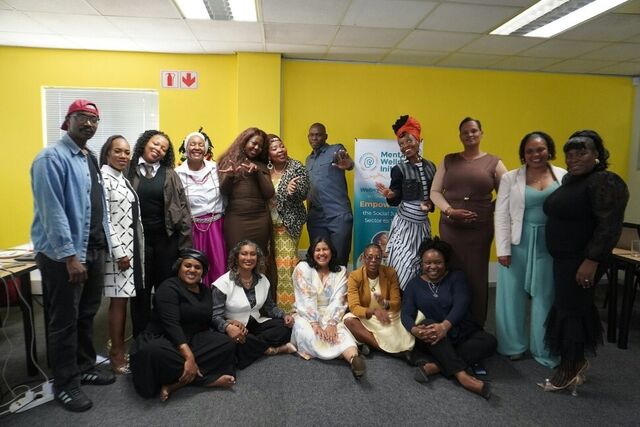
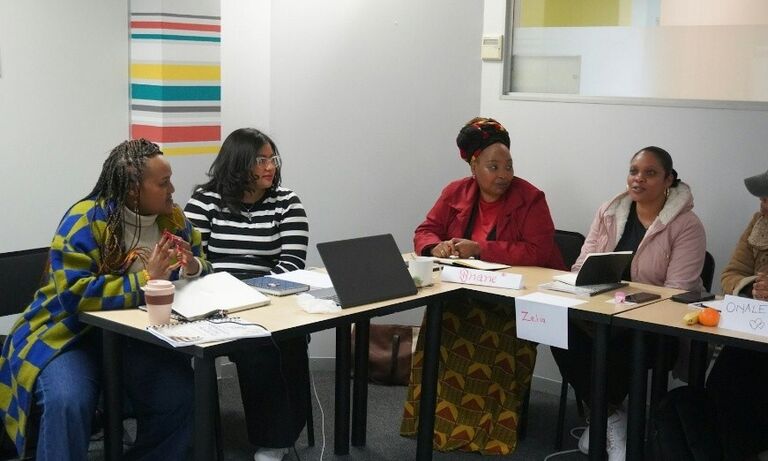
Through her role, Billie participated in workshops and learned directly from facilitators including Tracey Kotzen, Segametsi Ditlhale, Arvash Sewpaul and Nomatter Mthethwa. She not only helped coordinate programmes but also engaged with participants who were navigating their own healing journeys. These experiences exposed her to a range of trauma-informed healing techniques and practices. More importantly, they helped her realise that healing takes many forms and that personal transformation often begins with self-awareness and self-compassion.
As Billie deepened her understanding of trauma and recovery, she began applying the lessons to her own life. She embraced her individuality, started her own healing journey, and gained confidence in her ability to support others. This transformation extended beyond personal growth. Billie became passionate about sharing practical healing tools with young people in her community. Drawing on what she learned through MWI, she started encouraging friends, peers, and fellow students to explore evidence-based approaches to wellbeing that complement professional support and therapy.
She believes that many young people want to become helpers, counsellors, psychologists, and leaders in their communities, yet often carry unresolved experiences that deserve attention and care. Her message is simple: before helping others heal, people should also invest in their own healing. The impact of this approach became evident through her interactions with workshop participants. Many reached out after sessions to express appreciation, not only for her organisational role but also for creating an environment where they felt safe enough to be open and vulnerable.
One participant reflected:
“Thank you so much for providing the space for us to learn and giving us the space to be vulnerable and open for healing.”
Others spoke about the practical changes they were making in their lives as a result of the training.
“From what I have learnt from the past workshops and this Train-the-Trainer Programme, I am putting myself first and setting boundaries between myself and clients, or family members, to continue the healing journey that I am on.”
Participants also reported positive changes within their families and households.
“I have seen how I have changed positively affect my household and relationships in it. It is so much better that I can use what I have learnt in the workshop and teach my children what I have learnt and they are loving it too!”
For Billie, these responses provide tangible evidence that change is happening. They show that healing does not stop with one individual. When people develop healthier ways of coping with trauma and stress, the benefits often ripple outward to their families, workplaces, and communities.
Her story also highlights an important shift taking place within the mental health sector. Increasingly, practitioners and community leaders are recognising that trauma-informed care requires more than professional expertise. It requires self-reflection, emotional awareness, and a commitment to ongoing personal growth.
As Billie continues her career, she hopes to carry the lessons from MWI into every future opportunity. She wants to equip more young South Africans with practical tools for healing and resilience, helping them move beyond surface-level conversations and embrace deeper, more meaningful paths to wellbeing.
Her journey illustrates that healing is not a destination but a continuous process. By investing in her own growth, Billie has become a bridge between knowledge and action, demonstrating how one person's commitment to healing can inspire positive change in the lives of many others.
In a generation increasingly aware of mental health challenges, Billie is helping show that true healing happens not only through conversations about wellbeing, but through the courage to practise it every day.
Comments
Related Stories Of Change