South Africa: From hardship to hope

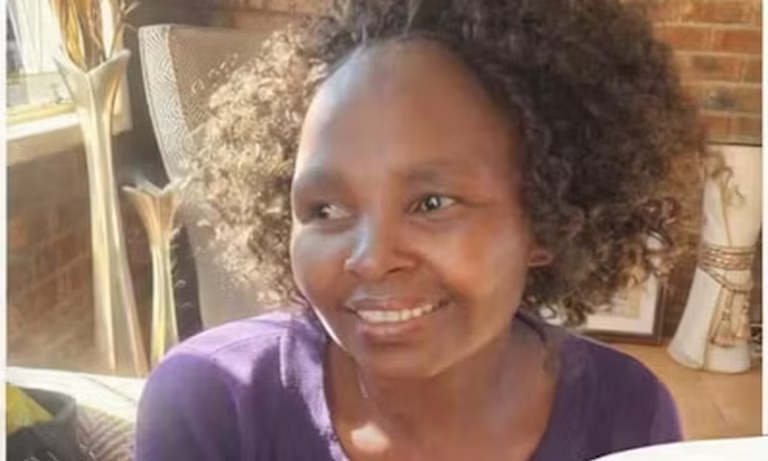
At the height of the COVID-19 pandemic, many families experienced setbacks that changed the course of their lives. For Charity Joubert, a 37-year-old mother of three from South Africa, the impact was devastating. After losing her long-term job, she found herself struggling to provide for her children while also enduring financial and emotional abuse at home. The uncertainty of unemployment, combined with the pressure of caring for her family, left her feeling isolated and without clear opportunities for recovery.
Everything began to change in 2021 when Charity joined the Thabang Community Development Centre and became part of its Victim Empowerment Programme. The programme provided a safe space where she could access practical support, develop new skills, and begin rebuilding her confidence. Rather than being defined by her circumstances, Charity was given the opportunity to invest in her future and create a pathway towards self-reliance.
One of the first opportunities available to her was training in garment making. Through structured learning and practical experience, Charity developed skills in producing a range of handmade items, including handbags, aprons, school uniforms, cushion covers and scarves. The training was complemented by practical placements under professional designers at the House of Thabang, where she participated in daily alteration work and contributed to the production of school uniforms.
These experiences helped Charity gain confidence in her abilities while also equipping her with marketable skills that could generate income. For a woman who had previously lost her primary source of livelihood, the ability to create products and contribute to economic activity represented an important step towards independence.
Her personal growth did not stop there. Charity also completed paralegal training, achieved certification, and gained experience working as a trained paralegal. This additional qualification expanded her knowledge of rights, justice, and community support systems. It also strengthened her confidence and enabled her to assist others facing challenges similar to those she had experienced.
Beyond formal training, Charity became actively involved in community awareness campaigns, dialogues, and support groups. By sharing experiences and participating in advocacy activities, she transformed from a beneficiary of support into a contributor to community change. Her involvement not only strengthened her own resilience but also allowed her to support other women and families facing difficult circumstances.
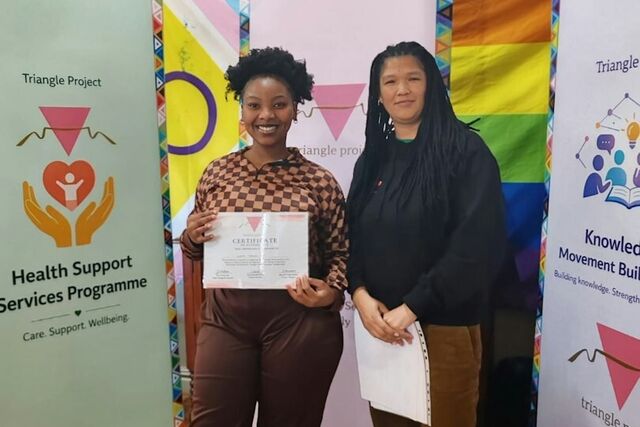
Today, tangible evidence demonstrates how far she has come. Charity has successfully completed both sewing and paralegal training programmes and holds certification recognising her achievements. She has applied her garment-making skills in professional environments, contributed to the production of school uniforms and other items, and continues to build experience in the field. She also receives a stipend through the organisation, providing a source of income that contributes to the wellbeing of her family.
Looking ahead, Charity continues to build on the foundations established through the programme. She is one of five women currently being supported to register a cooperative business, creating opportunities for shared entrepreneurship, collective growth and economic empowerment. Through partnerships with organisations such as SEDFA and other funding partners, the cooperative aims to establish sustainable income-generating opportunities for its members.
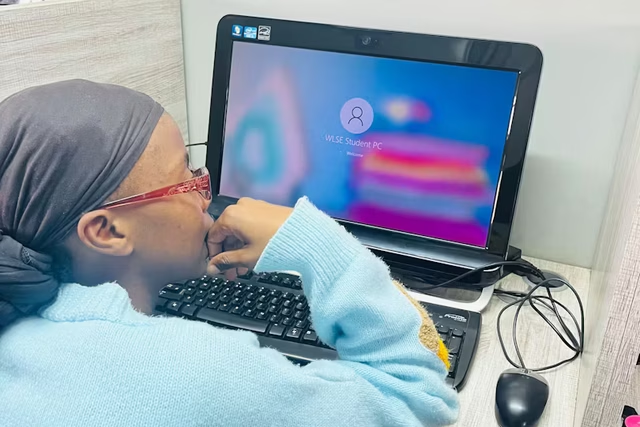
In addition, Charity is preparing to begin accredited computer training in early 2027. These new skills will further enhance her employability and entrepreneurial potential, ensuring that she remains equipped to adapt to changing economic opportunities.
The impact of this journey extends beyond Charity herself. By gaining skills, confidence and financial stability, she has strengthened her ability to care for her children and contribute positively to her community. Her story illustrates how targeted support, skills development and ongoing mentorship can help women overcome adversity and reclaim control over their lives.
The sustainability of these gains remains important. Continued psychosocial support, opportunities for skills development, financial literacy training, and ongoing community engagement will help ensure that the progress achieved is maintained over the long term. Through continued monitoring and support, programmes such as those offered by Thabang Community Development Centre can help more women move from vulnerability to empowerment.
Reflecting on the transformation that has taken place, one community member described the impact simply: “Empowered hands, grateful heart.” This statement captures Charity’s journey from hardship and dependence to confidence, independence and hope. Her story demonstrates that when women are given the tools, opportunities and support they need, they can build sustainable futures for themselves, their families and their communities.
Comments
Related Stories Of Change