South Africa: GBVF school clubs create safer schools and stronger young leaders

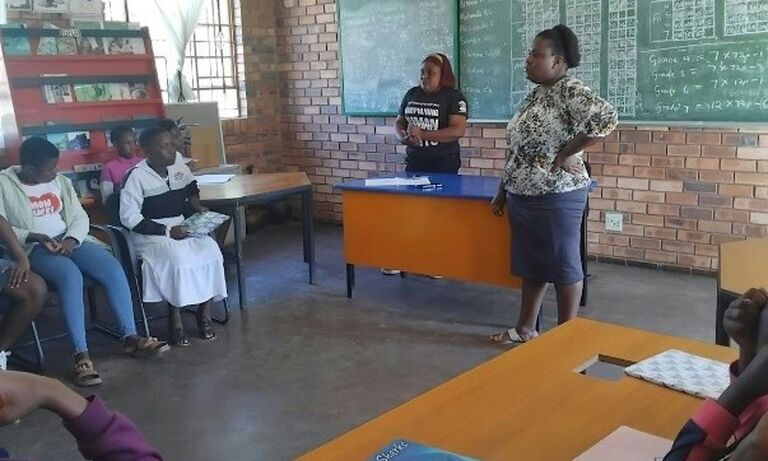
In many schools across rural South Africa, learners face challenges that extend far beyond the classroom. Bullying, gangsterism, grooming, exploitation and gender-based violence (GBV) can undermine young people’s confidence, safety and ability to reach their full potential. Recognising these challenges, the Resoketswe Lebjane Foundation established GBVF School Clubs to create safe spaces where learners can learn about their rights, build leadership skills and become advocates for positive change.
As a School Club Mentor at the Resoketswe Lebjane Foundation, I have witnessed first-hand how providing young people with guidance, support and knowledge can transform both individual lives and school environments. My journey with the organisation began as a Paralegal Officer, conducting door-to-door awareness campaigns, community dialogues and mediations. Through mentorship and continuous learning, I developed into a youth leader who now supports and mentors other young people.
The foundation identified a concerning gap in many schools where learners were experiencing various forms of violence and abuse, yet these issues were often not being addressed adequately. Many young people lacked trusted platforms where they could openly discuss their experiences and seek support. In response, the GBVF School Club project was introduced to empower learners through mentorship, awareness sessions and ongoing education.
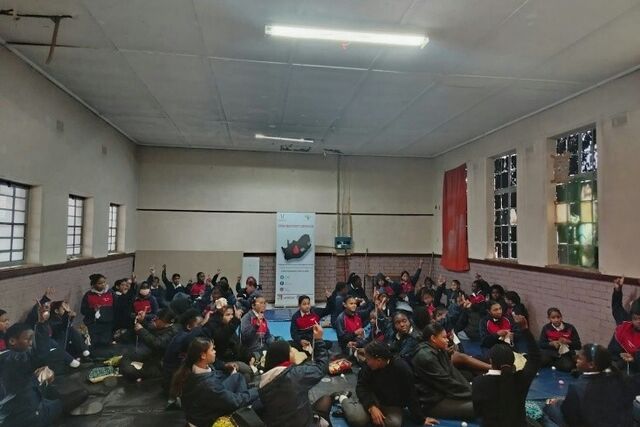
The clubs provide learners with safe and supportive spaces to discuss issues affecting their daily lives. Through regular sessions, learners engage in conversations about gender-based violence, bullying, peer pressure, human rights and personal responsibility. These discussions encourage critical thinking while helping learners understand that they have the power to challenge harmful behaviour and contribute to safer school communities.
One of the schools that benefited from the programme was Letshele High School, where bullying and gangsterism had become significant concerns. For some learners, joining gangs appeared to be the only way to gain acceptance or protection. The school environment was often characterised by fear and conflict, limiting opportunities for positive growth and participation.
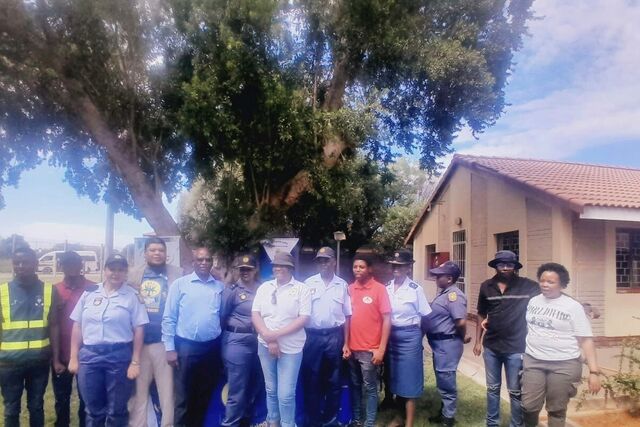
Through the combined efforts of the school clubs, mentorship programmes and stakeholder engagement, significant changes began to emerge. The programme worked closely with the School Management Team (SMT), the South African Police Service and other community stakeholders to strengthen support systems around learners. This collaborative approach ensured that young people received consistent messages about accountability, respect and non-violence.
Today, learners are demonstrating increased confidence in speaking about their rights and reporting incidents of bullying and violence. Many have become active participants in school club activities and have taken on leadership roles among their peers. Rather than remaining silent, they are increasingly willing to challenge harmful behaviour and support fellow learners who may be experiencing difficulties.
The positive impact of the initiative extends beyond individual learners. Schools have reported stronger learner participation, improved engagement and more constructive relationships between learners and educators. The increased involvement of stakeholders such as the South African Police Service has also strengthened young people's understanding of the law and the consequences of criminal behaviour, encouraging them to make informed decisions about their future. Evidence of this change can be seen in learner participation levels, positive feedback from teachers and school leadership, and continued collaboration with key partners. The programme’s success has also attracted additional support. Through Gender Links, two schools were adopted annually, while funding from the Foundation for Human Rights enabled the expansion of the programme to two additional schools. The production of a documentary highlighting the project's impact further demonstrates the value and effectiveness of the initiative.
Stakeholders have expressed strong support for the programme and its impact on learners. Colly Dibakoane remarked, “What great work you have done with these kids. You have put the school on the map.”
Nkomo B.L highlighted the positive alternatives now available to learners, saying, “These kids now have something positive and useful to do in their spare time. Thank you so much Resoketswe Lebjane Foundation for bringing change to this school and learners.”
Similarly, Mam Khosa acknowledged the importance of sustaining the partnership, stating, “I pray that this partnership never ends and that you always adopt our school. These learners should grow under you always.”
Looking ahead, the Resoketswe Lebjane Foundation remains committed to strengthening and expanding the GBVF School Club model. The organisation will continue training and mentoring learner leaders, strengthening partnerships with schools, parents, the School Management Teams, the South African Police Service and other stakeholders. Building the capacity of peer mentors remains a priority, ensuring that learners themselves become champions for gender equality, human rights and violence prevention.
The foundation also aims to secure additional funding and partnerships to extend the programme to more schools, enabling more young people to access safe spaces, mentorship opportunities and life-changing education. As more learners become informed, empowered and engaged, they are helping to build schools where respect, safety and equality can flourish.
The success of the GBVF School Clubs demonstrates that when young people are given the knowledge, support and opportunity to lead, they do not simply benefit from change, they become the drivers of change themselves. Through education, mentorship and collective action, learners are helping to create safer schools and stronger communities for future generations.In many schools across rural South Africa, learners face challenges that extend far beyond the classroom. Bullying, gangsterism, grooming, exploitation and gender-based violence (GBV) can undermine young people’s confidence, safety and ability to reach their full potential. Recognising these challenges, the Resoketswe Lebjane Foundation established GBVF School Clubs to create safe spaces where learners can learn about their rights, build leadership skills and become advocates for positive change.
As a School Club Mentor at the Resoketswe Lebjane Foundation, I have witnessed first-hand how providing young people with guidance, support and knowledge can transform both individual lives and school environments. My journey with the organisation began as a Paralegal Officer, conducting door-to-door awareness campaigns, community dialogues and mediations. Through mentorship and continuous learning, I developed into a youth leader who now supports and mentors other young people.
The foundation identified a concerning gap in many schools where learners were experiencing various forms of violence and abuse, yet these issues were often not being addressed adequately. Many young people lacked trusted platforms where they could openly discuss their experiences and seek support. In response, the GBVF School Club project was introduced to empower learners through mentorship, awareness sessions and ongoing education.
The clubs provide learners with safe and supportive spaces to discuss issues affecting their daily lives. Through regular sessions, learners engage in conversations about gender-based violence, bullying, peer pressure, human rights and personal responsibility. These discussions encourage critical thinking while helping learners understand that they have the power to challenge harmful behaviour and contribute to safer school communities.
One of the schools that benefited from the programme was Letshele High School, where bullying and gangsterism had become significant concerns. For some learners, joining gangs appeared to be the only way to gain acceptance or protection. The school environment was often characterised by fear and conflict, limiting opportunities for positive growth and participation.
Through the combined efforts of the school clubs, mentorship programmes and stakeholder engagement, significant changes began to emerge. The programme worked closely with the School Management Team (SMT), the South African Police Service and other community stakeholders to strengthen support systems around learners. This collaborative approach ensured that young people received consistent messages about accountability, respect and non-violence.
Today, learners are demonstrating increased confidence in speaking about their rights and reporting incidents of bullying and violence. Many have become active participants in school club activities and have taken on leadership roles among their peers. Rather than remaining silent, they are increasingly willing to challenge harmful behaviour and support fellow learners who may be experiencing difficulties.
The positive impact of the initiative extends beyond individual learners. Schools have reported stronger learner participation, improved engagement and more constructive relationships between learners and educators. The increased involvement of stakeholders such as the South African Police Service has also strengthened young people's understanding of the law and the consequences of criminal behaviour, encouraging them to make informed decisions about their future. Evidence of this change can be seen in learner participation levels, positive feedback from teachers and school leadership, and continued collaboration with key partners. The programme’s success has also attracted additional support. Through Gender Links, two schools were adopted annually, while funding from the Foundation for Human Rights enabled the expansion of the programme to two additional schools. The production of a documentary highlighting the project's impact further demonstrates the value and effectiveness of the initiative.
Stakeholders have expressed strong support for the programme and its impact on learners. Colly Dibakoane remarked, “What great work you have done with these kids. You have put the school on the map.”
Nkomo B.L highlighted the positive alternatives now available to learners, saying, “These kids now have something positive and useful to do in their spare time. Thank you so much Resoketswe Lebjane Foundation for bringing change to this school and learners.”
Similarly, Mam Khosa acknowledged the importance of sustaining the partnership, stating, “I pray that this partnership never ends and that you always adopt our school. These learners should grow under you always.”
Looking ahead, the Resoketswe Lebjane Foundation remains committed to strengthening and expanding the GBVF School Club model. The organisation will continue training and mentoring learner leaders, strengthening partnerships with schools, parents, the School Management Teams, the South African Police Service and other stakeholders. Building the capacity of peer mentors remains a priority, ensuring that learners themselves become champions for gender equality, human rights and violence prevention.
The foundation also aims to secure additional funding and partnerships to extend the programme to more schools, enabling more young people to access safe spaces, mentorship opportunities and life-changing education. As more learners become informed, empowered and engaged, they are helping to build schools where respect, safety and equality can flourish.
The success of the GBVF School Clubs demonstrates that when young people are given the knowledge, support and opportunity to lead, they do not simply benefit from change, they become the drivers of change themselves. Through education, mentorship and collective action, learners are helping to create safer schools and stronger communities for future generations.
Comments
Related Stories Of Change