South Africa: Turning negative energy into positive action - The Nyavani Youth Group

In Nyavani Village, located in the Collins Chabane Local Municipality of Limpopo Province, many young people face the daily reality of unemployment, poverty and limited opportunities. Like many rural communities across South Africa, these challenges have left some young women and men feeling frustrated, excluded and uncertain about their future. For some, hopelessness has contributed to conflict, substance abuse and other forms of destructive behaviour.
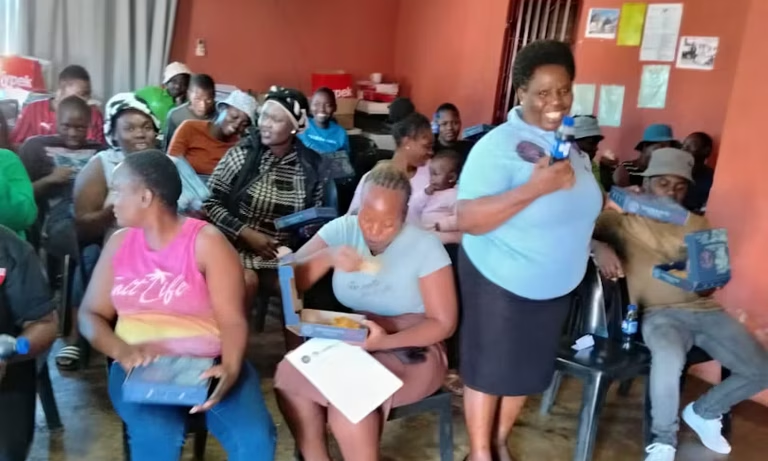
Recognising that violence is often rooted in broader social and economic challenges, Social Welfare In Tech brought together young people from the village for a community dialogue on the causes and prevention of violent behaviour. The organisation approached the issue from a strengths-based perspective, viewing young people not as a problem to be solved but as leaders with the potential to drive positive change.
The dialogue created a safe space for participants to reflect on the challenges affecting their lives. Young people identified unemployment, poverty, peer pressure, substance abuse, a lack of positive role models and limited opportunities for personal development as key factors contributing to violence in their community. Many spoke openly about feeling trapped by circumstances beyond their control and the absence of opportunities to use their talents and skills productively.
As the discussion unfolded, the focus began to shift. Rather than concentrating only on problems, participants started exploring solutions that they could develop themselves. The conversation encouraged them to think differently about their role in the community and to recognise their ability to influence change.
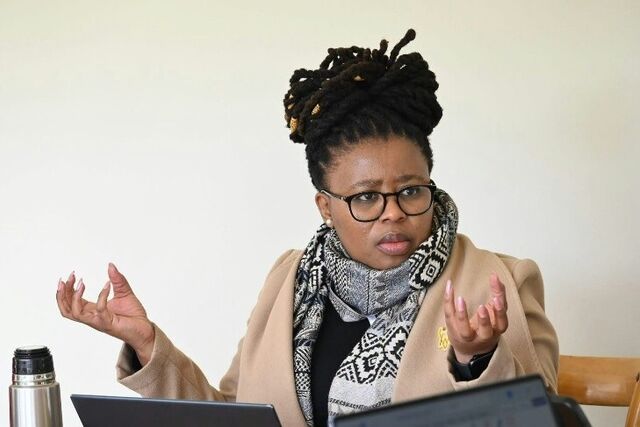
A turning point came when a young woman in the group challenged her peers to stop waiting for opportunities and start creating them. Her message resonated strongly with the participants. She encouraged the group to channel their energy away from frustration and towards building a better future for themselves and their community. Her leadership inspired both young women and young men to work together around a shared vision.
The most significant change was not simply the decision to start a project. It was a transformation in mindset. Young people who had previously viewed themselves as victims of circumstance began to see themselves as agents of change. Discussions that initially centred on unemployment and hardship evolved into conversations about entrepreneurship, skills development, teamwork and community service.
As a direct result of the dialogue, participants agreed to establish a youth-led community development initiative aimed at tackling poverty and unemployment. The group committed to identifying income-generating activities that could create opportunities, build practical skills and promote self-reliance among young people in the village.
The emergence of a young woman as the group's leader also reflected an important shift in attitudes towards leadership and inclusion. Her leadership demonstrated that influence is not determined by age or gender but by the willingness to inspire collective action. Her confidence encouraged greater participation from other young women, while young men embraced a collaborative approach based on mutual respect and shared responsibility.
Evidence of change emerged almost immediately. Participants developed an action plan and committed to meeting regularly to identify opportunities and resources that could support their initiative. Community facilitators observed that young people who had previously focused on their frustrations were now discussing practical solutions for improving their livelihoods and supporting one another.
Group members also reported feeling more hopeful about the future. Cooperation and teamwork increased, and participants demonstrated a stronger understanding of how unemployment, poverty and violence are interconnected. They committed themselves to becoming positive role models and ambassadors for peace within Nyavani Village.
As youth leader Shiluva explained:“Today's dialogue has changed the way we look at the challenges facing young people. Instead of waiting for opportunities, we agree to work together and initiate projects that will create jobs, promote life skills, and provide hope for our youth.”
Another participant reflected on the shift in perspective:“I came here thinking our problems were too big to solve, but I am leaving inspired. This discussion has shown us that we have the ability to start community projects that address unemployment, substance abuse, and violence among young people.”
A youth representative added:“This dialogue has opened our minds and reminded us that we are not just beneficiaries; we are agents of change. We are committed to developing youth-led initiatives that empower our peers through entrepreneurship, skills development, and positive community engagement.”
Today, the Nyavani Youth Group is laying the foundation for a youth-driven initiative that seeks to improve livelihoods while reducing the conditions that contribute to violence. Their journey demonstrates the power of meaningful dialogue to transform attitudes into action. By helping young people recognise their strengths and take ownership of solutions, the intervention replaced hopelessness with hope, conflict with cooperation and dependence with community-led development.
Looking ahead, Social Welfare In Tech will continue working with local leaders, schools, government departments and community stakeholders to strengthen youth development, gender equality, violence prevention and economic empowerment programmes. Through sustained community ownership and continued support, the Nyavani Youth Group is building a future in which young people are not defined by their challenges but by their ability to lead positive change.
Comments
Related Stories Of Change