South Africa: Listening, supporting and responding to the psychosocial needs of girls

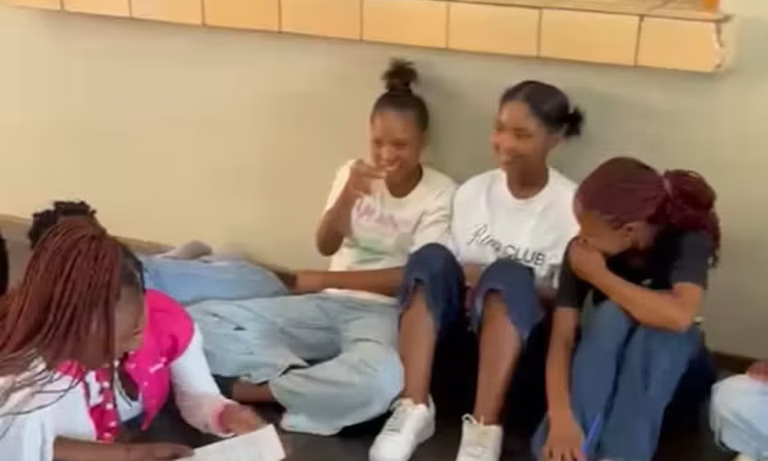
Adolescent girls cannot thrive in education and leadership programmes if the emotional and social challenges they face remain unseen. Through the SHEroes Programme in South Africa, LifeLine Northern Cape is helping young women access the psychosocial support they need, creating safer pathways for them to cope with loss, trauma, anxiety, family difficulties and other challenges that affect their wellbeing and future opportunities.
The girls participating in the programme come from diverse backgrounds across communities in the Northern Cape. While each participant has her own story, many face difficult circumstances that affect their emotional wellbeing, relationships, school performance and ability to manage everyday pressures. During the implementation of the programme, LifeLine Northern Cape identified a growing need to strengthen psychosocial support for participants.
Assessments and counselling sessions revealed a wide range of challenges. These included grief and bereavement, the loss of parents, family conflict, poor communication within households, academic struggles, bullying, low self-esteem, anxiety, stress, emotional distress and symptoms of depression. Some girls were dealing with trauma linked to abuse, neglect or exposure to domestic violence. Others faced financial hardship, changes in caregiving arrangements, substance use within their families, social withdrawal and difficulties building healthy peer relationships.
These experiences highlighted an important reality: adolescent girls' development cannot be separated from the social and emotional environments in which they live. As a result, the SHEroes Programme strengthened its psychosocial support component, ensuring that girls could access assessment, counselling and referrals when challenges affecting their wellbeing were identified.
A significant turning point came with the introduction of an Emotional Health and Wellness Baseline Questionnaire. Before this tool was introduced, social workers often had to rely on what participants chose to share during counselling sessions. Many girls needed time to build trust before speaking openly about deeply personal issues. As a result, serious concerns could remain hidden during the early stages of engagement.
The questionnaire changed this approach by creating a structured opportunity for every participant to reflect on different aspects of her life and wellbeing. Rather than waiting for girls to disclose concerns, the programme was able to identify potential risks earlier and gain a broader understanding of the challenges affecting participants.
Confidentiality was central to the process. Girls did not write their names on the questionnaires. Instead, each participant received a unique code, while the Programme Manager maintained a secure code register. This meant that girls could share information honestly while protecting their privacy and dignity.
The impact of this change has been substantial. During the reporting period, 59 beneficiaries received psychosocial services through 108 counselling sessions. An additional 92 participants were referred for psychosocial support. While the numbers demonstrate significant demand for services, the most important change is the establishment of a more responsive support system that recognises and addresses psychosocial needs before they escalate.
Today, the programme operates with a more proactive and structured approach. Girls identified as being at higher risk are prioritised for immediate counselling and support rather than waiting weeks for concerns to emerge through multiple sessions. Participants with less urgent needs receive scheduled counselling and follow-up support over time.
This shift from a reactive model to an early identification and prevention approach has strengthened the programme’s ability to respond effectively. It has also helped staff recognise how interconnected many challenges are. Emotional wellbeing is often influenced by poverty, family relationships, school pressures, exposure to violence, anxiety, bullying and loss. Understanding these connections allows the programme to tailor group activities, counselling interventions, referrals and safeguarding measures more effectively.
Perhaps most importantly, the questionnaire has created another safe entry point for girls who may not yet be ready to speak openly about their experiences. For some participants, completing the assessment is the first step towards seeking help and building resilience.
According to the Programme Manager, the value of psychosocial support extends beyond counselling itself. “We realised that we cannot ask girls to develop confidence, resilience and healthy coping skills without first creating a space where they can talk about what they are carrying. The psychosocial component allows us to listen, identify when a girl needs additional support and make sure that she is not left to deal with difficult circumstances on her own.”
The programme’s focus on emotional wellbeing is also reflected in its wider activities. Social worker Shakira Hassen emphasises the importance of self-care as part of a healthy future for young women. She explains: “We need to teach our girls that self-care is important. Taking care of yourself, exercising and living a healthy lifestyle are not luxuries - they are part of looking after your physical and emotional wellbeing.”
Looking ahead, psychosocial support will remain a core component of the SHEroes Programme. LifeLine Northern Cape plans to strengthen the integration of counselling, emotional wellness activities, safeguarding measures and referral pathways. The programme will also use assessment findings to inform future sessions on coping skills, emotional regulation, self-esteem, anxiety, stress management, relationships and resilience.
The organisation is committed to strengthening collaboration with parents, caregivers, schools and service providers while maintaining confidentiality and safeguarding standards. It will also continue monitoring barriers to accessing support, particularly for participants who could not be assessed or who chose not to access services.
By listening to girls, identifying their needs early and responding with care, the SHEroes Programme is helping ensure that young women do not have to face difficult circumstances alone. Instead, they are gaining access to the support, trust and resources needed to navigate challenges and build healthier, more resilient futures.
Comments
Related Stories Of Change