South Africa: Strengthening organisational resilience during a period of transition


For decades, Triangle Project has worked to advance equality, dignity, health, inclusion and social justice for LGBTQI+ communities. During the reporting period, however, funding cuts and broader economic pressures created significant challenges. Like many organisations across the sector, Triangle Project was required to make difficult decisions, including restructuring and staff retrenchments. The impact was felt throughout the organisation. Remaining staff members were required to take on additional responsibilities while continuing to deliver programmes and provide support to communities experiencing discrimination, violence and exclusion. Uncertainty about funding and organisational sustainability created understandable anxiety, while shifting roles and responsibilities sometimes led to confusion and increased workloads.
Yet despite these challenges, the organisation remained committed to its mission.
Rather than allowing the transition to weaken the organisation, staff, management and leadership worked together to respond constructively. Through honest conversations, strategic planning and collective problem-solving, Triangle Project gradually moved from a period of instability toward greater coordination, clarity and resilience.
A key part of this process was strengthening communication and collaboration across programmes. Teams that had previously worked more independently began supporting one another more intentionally, creating stronger links between advocacy, community engagement, education, research and collective care initiatives. Staff members embraced new responsibilities and developed additional skills, helping to ensure that services could continue despite reduced capacity. The transition also prompted a review of organisational systems and processes. Greater emphasis was placed on role clarification, programme coordination, monitoring and evaluation, fundraising diversification and resource mobilisation. Specialist consultants were brought in where necessary, while partnerships and coalition-building efforts were strengthened to maximise impact and efficiency.
Importantly, the organisation returned to its greatest strengths: trusted community relationships, credible advocacy and a deep commitment to collective care. These foundations helped maintain confidence among stakeholders, partners and community members throughout the transition. The results have been significant.
Today, there is greater clarity around roles and responsibilities, improved communication across departments and stronger collaboration between programme areas. Community interventions continue to be implemented, partnerships remain active and services have been maintained despite the pressures experienced during the restructuring process.
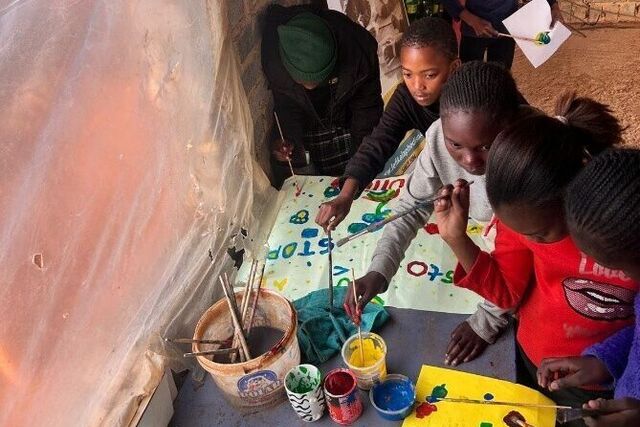
The organisation's ability to sustain programme delivery during a challenging period demonstrates the success of these efforts. Solidarity Spaces have continued operating, community members have continued accessing support services and advocacy initiatives have remained active. New partnerships have been developed, and Triangle Project has continued contributing to national conversations on LGBTQI+ rights, inclusion and wellbeing.
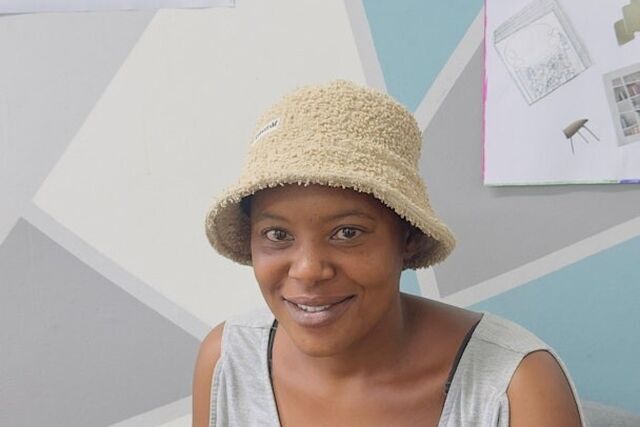
According to Shanice Bouwers, the transition, although difficult, helped the organisation become more focused and strategic.
"From an operations and HR perspective, our transition hasn't been easy, especially with significant budget reductions and the difficult decision to reduce our team. While we deeply miss and value our former colleagues, the team that remains has shown incredible resilience. We've become more strategic, collaborative, and focused, and I'm proud of how far we've come together."
Similarly, Viwe Tefani reflected on the importance of maintaining community-centred services throughout the uncertainty.
"A few months ago, we were in a very uncertain and difficult space as an organisation, especially in relation to the retrenchment and restructuring process. From a psychosocial support perspective, what stands out now is that we have managed to keep the work and the needs of our communities at the centre, even while adjusting to a new structure and finding our stability again."
Perhaps the clearest sign of change has been a renewed sense of organisational confidence and purpose. While challenges remain, staff report feeling more connected to one another's work and more equipped to respond collectively to community needs.
For Zola Dalani, this progress is deeply personal.
"Working at Triangle Project is deeply personal for me because I first came here as someone seeking support. Today I see every day how far we've come in strengthening community health and wellness. We've built more affirming, accessible, and compassionate services that put our communities at the centre of care."
The experience has also reinforced the importance of collaboration beyond the organisation itself. During the transition period, Triangle Project remained actively involved in advocacy campaigns, strategic litigation efforts, mental health awareness initiatives and community mobilisation activities. Partnerships with civil society organisations, activists and human rights defenders have strengthened collective efforts to advance equality and challenge discrimination.
Looking ahead, Triangle Project is implementing measures to ensure that these gains are sustained. These include diversifying funding sources, strengthening leadership development, investing in staff wellbeing and succession planning, and continuing to integrate advocacy, community engagement, education and collective care into a unified organisational approach.
The organisation recognises that financial pressures across the civil society sector are likely to continue. However, the lessons learned during this period have positioned Triangle Project to respond more effectively to future challenges.
This story is ultimately one of resilience. It demonstrates that organisational change, though difficult, can become an opportunity for growth when guided by a clear mission, strong leadership and collective commitment. By adapting to a changing environment while remaining focused on its purpose, Triangle Project has shown that resilience is not simply about surviving adversity. It is about using adversity to strengthen systems, deepen collaboration and reaffirm a commitment to the communities that depend on the organisation's work. In doing so, Triangle Project has emerged not only more stable, but better positioned to continue advancing LGBTQI+ rights, gender justice and social inclusion in South Africa.
Comments
Related Stories Of Change