South Africa: How 14 community facilitators are transforming their communities

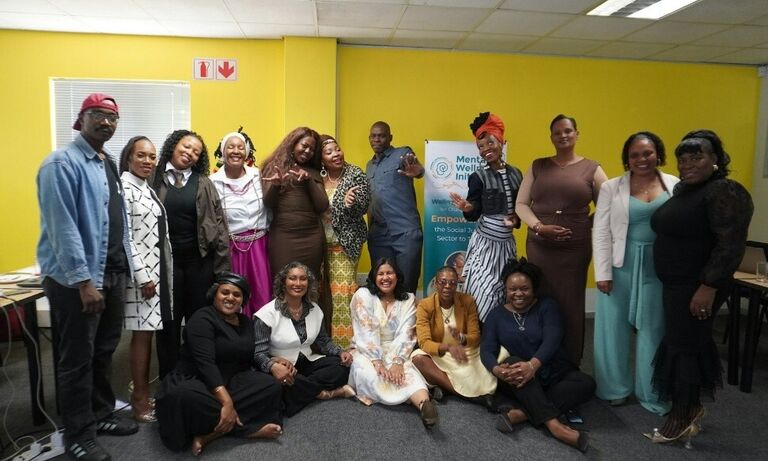
Communities affected by gender-based violence need more than crisis interventions. They need people who understand trauma, can create safe spaces for healing, and can help others rebuild their lives. In South Africa, 14 community leaders have stepped into that role, bringing hope and resilience to five communities across Gauteng and the North West Province.
The Mental Wellness Initiative (MWI), a South African non-profit organisation, launched a trauma-informed mental wellness programme to strengthen community responses to gender-based violence and femicide (GBVF). The programme recognised a critical challenge facing many frontline workers, volunteers, and activists. While they dedicated themselves to supporting survivors of violence, many carried their own unresolved trauma, emotional exhaustion, and compassion fatigue.
Without access to professional psychosocial support, these community champions often worked under immense pressure. Their commitment to helping others remained strong, but many lacked the tools, confidence, and trauma-informed knowledge needed to support healing sustainably. To address this gap, MWI developed a two-phase programme focused on both personal healing and leadership development. The approach was simple but powerful: before participants could effectively support others, they first needed the opportunity to heal themselves.
The first phase introduced participants to trauma healing and mental wellness practices. Through guided learning, they explored the science of trauma, emotional regulation, nervous system functioning, self-awareness, and healthy boundaries. They also learned practical healing techniques, including breathwork, meditation, yoga, grounding exercises, and Trauma Release Exercises (TRE).
More importantly, the programme created safe spaces where participants could reflect on their own experiences and begin their personal healing journeys. This process helped them build resilience, strengthen self-confidence, and develop a deeper understanding of the challenges faced by those they serve. Participants who completed this phase progressed to the Community Healing and Resilience Facilitator Training Programme. Here, they developed advanced facilitation skills, ethical leadership practices, group process management, and community implementation strategies. Through experiential learning, storytelling, peer reflection, supervised practice, and facilitation exercises, participants gained the practical experience needed to lead trauma-informed healing within their communities. The results have been transformative.
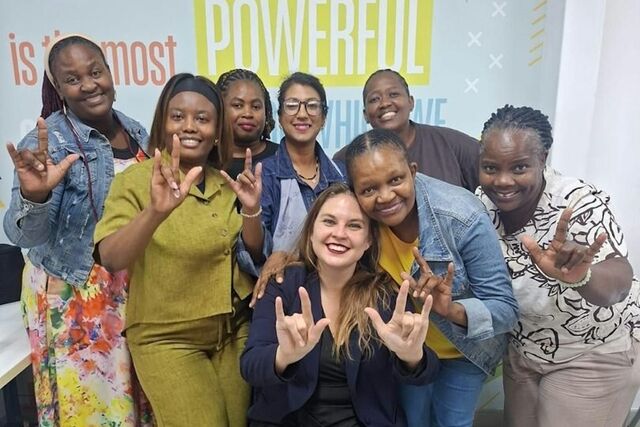
Fourteen participants graduated as Community Healing and Resilience Facilitators, representing five communities and a diverse range of organisations. The cohort includes community volunteers, youth leaders, survivor-practitioners, activists, and frontline workers who now have the knowledge and confidence to guide others on their healing journeys.
Today, these facilitators understand how trauma affects individuals and communities. They can lead healing conversations, teach emotional regulation techniques, create psychologically safe environments, and foster collective care. More importantly, they demonstrate that healing is possible and that caring for oneself is an essential part of caring for others.
One graduate reflected on this transformation:
“I came here looking for healing, but I am leaving with purpose. I now understand that before I could help my community heal, I first needed to understand and care for myself. Today, I feel ready to create safe spaces for others.”
– Natalie Abrahams
Another participant highlighted how the programme changed their perspective:
“This programme didn't just teach me how to facilitate sessions; it changed how I see people, trauma, and healing. I now have a practical plan to take this work back to my community, where it is needed most.”
– Amogelang Pila Ditlhale
For many graduates, the experience marked the beginning of a new responsibility.
“Graduating today is not the end of my journey. It is the beginning of a responsibility to bring hope, healing, and resilience to my community. I now have the confidence, language, and tools to make that happen.”
– Onalenna Kgabanyane
Evidence of this change emerged throughout the programme. Participants demonstrated improved emotional regulation, stronger facilitation skills, greater confidence, and a deeper understanding of trauma-informed approaches. Partner organisations reported positive changes in communication, teamwork, emotional wellbeing, and participants’ ability to support colleagues and community members.
One of the clearest indicators of success came during the graduation process. Each participant presented a Community Rollout Plan outlining how they would implement trauma-informed healing initiatives in their organisations and communities. These plans reflected a sophisticated understanding of ethical facilitation, psychological safety, and collective care. Graduates identified priority groups, proposed practical healing activities, and developed strategies for creating inclusive, supportive environments.
The graduation ceremony celebrated more than the completion of a training programme. It demonstrated that five communities now have local leaders equipped to extend healing and resilience from within. Although MWI will conclude its formal organisational operations, the impact of the programme will continue through the facilitators and partnerships it has developed. Sustainability was built into the initiative from the outset. By investing in local leadership rather than short-term service delivery, the programme created a foundation for ongoing community-led healing.
Each graduate leaves with a practical implementation plan and a toolkit of accessible, low-cost approaches that require minimal resources. Techniques such as grounding exercises, breathwork, reflective dialogue, peer support, and other somatic practices can continue reaching individuals and families affected by trauma and violence.
The true legacy of the programme lies not in the number of people trained, but in the network of healing leaders now working across five communities. The knowledge, confidence, and resilience they have developed will continue to spread through families, organisations, and communities for years to come.
What began as an investment in 14 individuals has evolved into a growing movement of community-led healing. The seeds planted through this programme are already taking root, creating safer, stronger, and more resilient communities across South Africa.
Comments
Related Stories Of Change