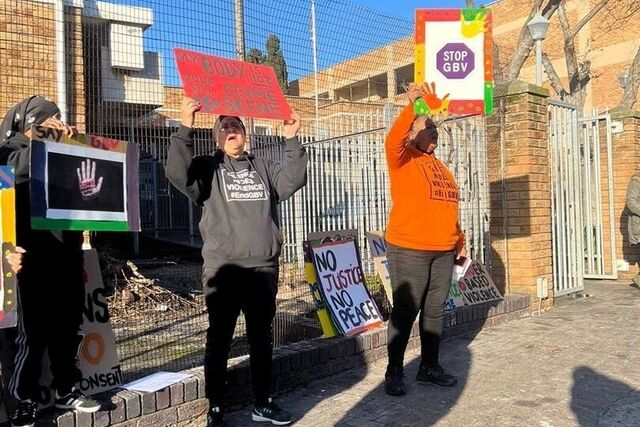
South Africa: From shelter to self-reliance and healing

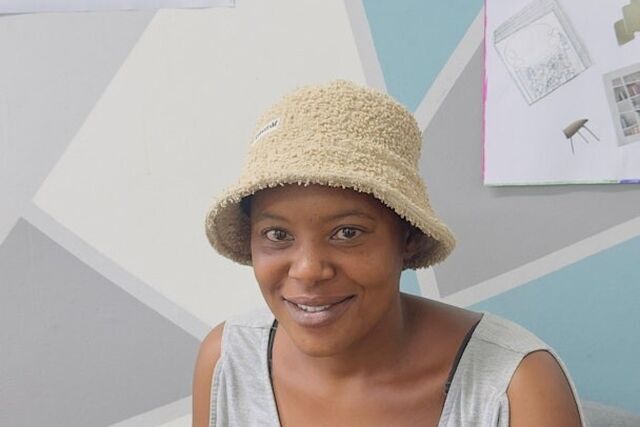
For Sihle Tshabalala, leaving an abusive relationship was only the beginning of a much longer journey towards rebuilding her life.
A young woman from Daveyton in Ekurhuleni, Sihle is a survivor of gender-based violence (GBV). When she was referred to Women Leadership Social Empowerment (WLSE) by People Opposing Women Abuse (POWA), she was living in a shelter and trying to recover from the emotional trauma caused by abuse. At the time, she was unemployed, financially dependent and uncertain about her future. Unable to provide a stable home, her young child was living with relatives while she focused on finding safety and healing.
Like many survivors of GBV, Sihle faced more than the immediate impact of violence. The abuse had damaged her confidence and left her without the work experience, digital skills and opportunities needed to compete in the job market. Although she was determined to create a better future for herself and her family, she needed support to regain her independence.
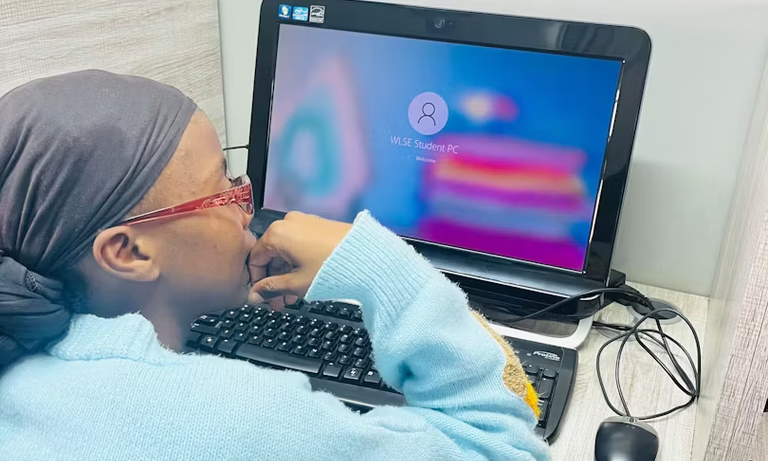
That opportunity came through WLSE's Renewed Women's Voice and Leadership (RWVL) project, which empowers survivors of GBV through accredited digital skills training, life skills development, work readiness support and pathways to employment. The programme combines practical skills with psychosocial support, recognising that economic empowerment and emotional healing are both essential to long-term recovery.
Sihle enrolled in the accredited NQF Level 3 End-User Computing Programme, where she gained practical digital skills alongside Life Skills and Work Readiness training. The programme equipped her with computer literacy, strengthened her communication skills and prepared her for workplace environments. At the same time, ongoing psychosocial support helped her work through the trauma she had experienced and rebuild her confidence.
As she progressed through the programme, Sihle began to see new possibilities for her future.
Recognising her commitment and potential, WLSE secured a placement for her through the MICT SETA Internship Programme. The placement provided valuable workplace experience while offering a monthly stipend, enabling her to begin supporting herself financially.
The impact was life-changing.
Today, Sihle is employed through the internship programme, earning an income and gaining practical work experience. Most importantly, she has moved out of the shelter and into accommodation that she can afford independently. The stability she has achieved has enabled her to reunite with her child and siblings, who had previously been living with relatives.
Reflecting on her journey, Sihle says:
“Before joining the programme, I felt like my future had ended. Today I have a job, I can provide for my child, siblings and I finally have a place that we can call home. Women Leadership Social Empowerment helped me believe in myself again.”
Her transformation has been witnessed by those who supported her during some of the most difficult moments of her life.
According to Amanda Sibanyoni, Sihle's progress demonstrates the value of partnerships that provide survivors with both emotional support and economic opportunities.
“When Sihle first arrived at the shelter, she had lost confidence in herself and was uncertain about what the future held. Through our partnership with Women Leadership Social Empowerment, she was able to access digital skills training and employment opportunities that gave her a renewed sense of purpose. Today, she is living independently, caring for her child, and is a wonderful example of what is possible when survivors receive holistic support.”
The programme's facilitator, Phindile Songo, believes Sihle's journey reflects the importance of combining skills development with practical employment opportunities.
“Empowering survivors goes beyond providing training. By combining accredited digital skills, life skills, psychosocial support, and workplace placement through the MICT SETA Learnership Programme, we helped her rebuild her confidence and create a pathway to financial independence. Seeing Sihle move from a shelter into her own home and reunite with her child is exactly the type of impact this project was designed to achieve.”
Sihle's achievements are supported by clear evidence. She successfully completed the accredited End-User Computing Programme, with training records, attendance registers, assessments and certification demonstrating her successful participation. Her transition into the workplace through the MICT SETA Internship Programme further reflects the practical outcomes of the intervention.
However, the most significant evidence of change can be seen in her daily life. She now provides for herself and her family, maintains independent accommodation and continues to develop professional skills that will strengthen her future career prospects. The confidence and stability she has regained have enabled her to rebuild family relationships and create a safe, supportive environment for her child.
Looking ahead, Sihle plans to continue building on the skills and experience gained through the internship programme. The practical work experience, combined with her accredited qualification, positions her for further opportunities in the ICT sector and beyond.
Her story demonstrates that recovery from GBV is about more than escaping violence. It is about restoring dignity, rebuilding confidence and creating pathways to independence. Through a combination of digital skills training, psychosocial support and employment opportunities, Sihle has transformed her life from one marked by uncertainty and dependence to one defined by stability, self-reliance and hope.
Today, she stands as a powerful example of what is possible when survivors are given the tools, support and opportunities they need to rebuild their lives and secure a brighter future for themselves and their families.
Comments
Related Stories Of Change