South Africa: Digital skills restored confidence and helped build a business

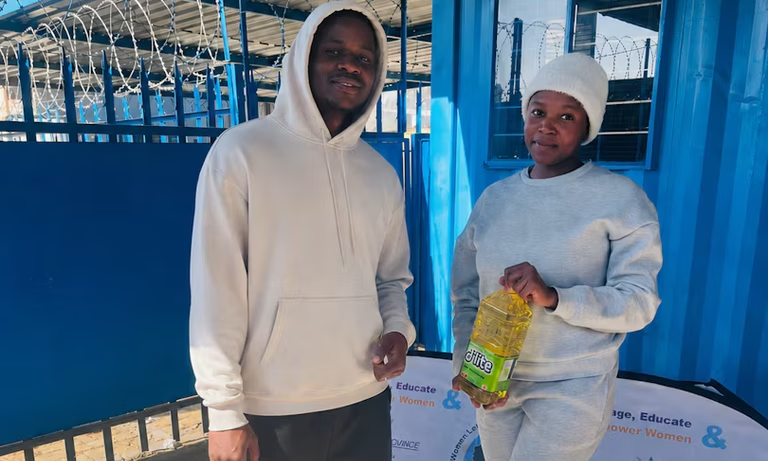
For much of his life, Sipho Nkosi faced barriers that extended far beyond unemployment. A young person from Daveyton in Ekurhuleni and a member of the LGBTQIA+ community, he experienced discrimination and rejection because of his sexual orientation. After being disowned by his family, he lost the stability of a permanent home and moved between friends' houses, relying on temporary accommodation and support.
The constant uncertainty made it difficult for him to secure employment, plan for the future or build financial independence. The emotional impact of rejection left him feeling isolated and diminished his confidence. Although he had a talent and passion for hairdressing and braiding, he lacked the digital skills, resources and confidence to transform that talent into a sustainable livelihood.
Everything began to change when Sipho joined the Women Leadership Social Empowerment (WLSE).
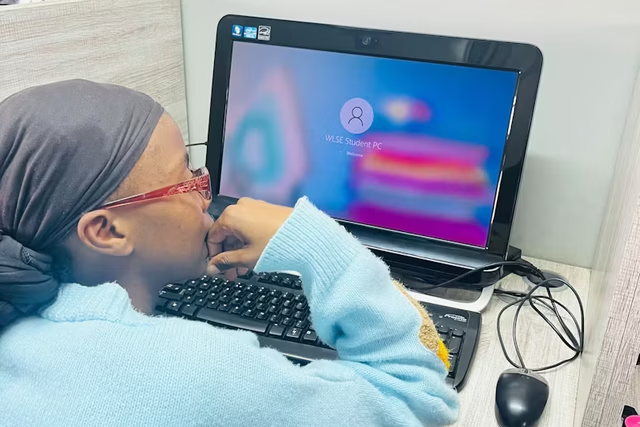
The project supports survivors of gender-based violence and structurally excluded individuals by strengthening digital literacy, employability and economic independence. As part of the programme, Sipho enrolled in the accredited NQF Level 3 End-User Computing Programme, alongside Life Skills and Work Readiness training. While awaiting placement in the MICT SETA Learnership Programme, he also received food parcel support to help meet his basic needs and allow him to focus on rebuilding his future. For Sipho, the programme provided more than skills training. It offered a safe and inclusive space where he felt accepted, respected and valued.
Through the training, he developed practical computer skills, improved his communication abilities and strengthened his readiness for future employment opportunities. More importantly, he began to regain confidence in himself and his potential.
Rather than waiting for opportunities to come to him, Sipho decided to use his existing hairdressing talent to create his own path forward.
Inspired by the skills and self-belief he gained through the programme; he established his own salon business. Today, he provides hairdressing and braiding services to members of the community, earning an income through work he loves and building a growing client base.
The transformation has been significant. From a young person facing homelessness, exclusion and uncertainty, Sipho has become a confident entrepreneur with renewed hope for the future. His business has provided financial independence while positioning him for further growth through the upcoming MICT SETA Learnership Programme.
Reflecting on his journey, Sipho says:
“For a long time, I believed that because of who I am, I would never have the chance to build a better life. This programme reminded me that I have value and that my future is not defined by the discrimination I have experienced. The digital skills, life skills, and encouragement I received gave me the confidence to open my own salon. Today, I am earning an income doing what I love."
The impact of the programme has been evident to those who have supported him along the way.
According to Lilian Mahoa, Sipho's story highlights the importance of creating opportunities for individuals who have experienced exclusion and discrimination.
“Sipho's journey demonstrates the importance of creating safe and inclusive spaces for people who have experienced trauma and discrimination. We have seen him grow from someone who lacked confidence and stability into a young entrepreneur with renewed hope and direction. Partnerships like the one with Women Leadership Social Empowerment ensure that beneficiaries receive both emotional support and opportunities to build sustainable livelihoods.”
His facilitator, Phindile Songo, believes his story demonstrates what is possible when people receive the right support.
“When people are given the right support, they can create opportunities for themselves despite the challenges they have faced.”
The changes in Sipho's life are supported by clear evidence. He successfully completed the accredited End-User Computing Programme and the accompanying Life Skills and Work Readiness training. Attendance registers, assessments and programme completion records confirm his participation and achievement.
Beyond the classroom, the strongest evidence of change is visible in the salon he now operates. His growing customer base, ability to generate income and increased financial independence demonstrate a sustainable shift in his circumstances. Project staff have also observed improvements in his confidence, communication skills and overall wellbeing.
Looking ahead, Sipho plans to continue growing his salon business while further developing his skills through the MICT SETA Learnership Programme. With continued mentorship and support from WLSE and its partners, he aims to strengthen both his entrepreneurial and professional opportunities.
His story serves as a powerful reminder that exclusion does not have to determine a person's future. When people are provided with skills, support and opportunities in an environment that respects their dignity, they can overcome barriers and create meaningful change in their lives.
Today, Sipho is not only building a successful livelihood for himself but also inspiring others facing discrimination and uncertainty to believe in their own potential. His journey shows that confidence, acceptance and opportunity can transform lives and create pathways to lasting economic independence.
Comments
Related Stories Of Change