South Africa: Transforming GBV advocacy through disability inclusive dialogue

Based in the Greater Tzaneen Local Municipality in Mopani District, LMHS is a provincial non‑profit organisation known for its advocacy in mental health, disability rights, and GBV prevention. Under the leadership of Provincial Director Ms Molaudzi Priscilla, the organisation has long worked across schools, disability centres, and rural communities. However, in 2021, as LMHS intensified its GBV outreach with support from the Solidarity Fund, a critical gap became impossible to ignore.
While large‑group community dialogues gained popularity after lockdown restrictions eased, these formats were unintentionally excluding girls with intellectual disabilities. Attendance numbers looked strong, but participation told a different story. Girls were present, yet many remained silent, overwhelmed, or disengaged. Their lack of participation was often misunderstood as disinterest or inability, when in reality it stemmed from inaccessible facilitation, fear of being corrected, and environments that felt unsafe.
Through direct engagement with disability centres and facilitators, LMHS began to see that inclusion could not be measured by numbers alone. Girls with disabilities were experiencing GBV at alarming levels, yet their lived realities were absent from community dialogue. This was not simply a programmatic oversight—it was an organisational wake‑up call.
LMHS made a deliberate decision to transform how it worked.
The organisation re‑imagined its GBV advocacy strategy to place accessibility, psychological safety, and dignity at the centre. The shift required more than minor adjustments; it demanded a change in organisational culture. Key objectives were defined: redesign dialogue formats to prioritise inclusion, equip facilitators to engage meaningfully with girls with intellectual disabilities, localise GBV messaging using simplified and bilingual tools, and embed empathy and inclusion into governance, training, and campaign design.
Before this shift, GBV dialogues were largely conducted in large, mixed‑ability groups. Participation was recorded, but depth of understanding was rarely assessed. Some girls felt ignored, corrected, or afraid of saying the wrong thing. Others stopped attending altogether. Inclusion existed on paper, but not in practice.
The transformation began with listening.
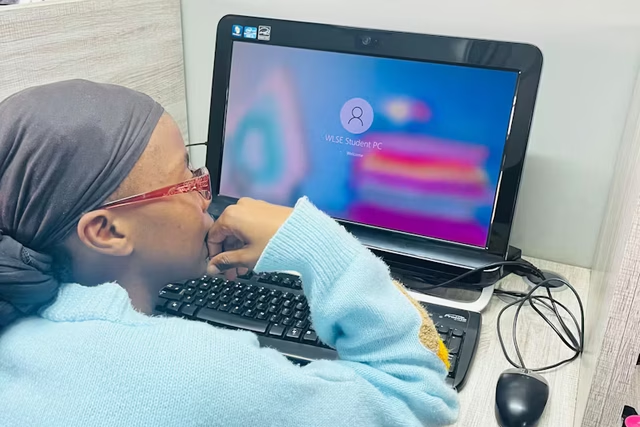
Facilitators and partner disability centres shared honest feedback about what was not working. In response, LMHS redesigned its approach, introducing smaller, calmer group sessions tailored to different cognitive and emotional needs. Facilitation methods were adapted to be slower, more visual, and more participatory. Safe spaces were intentionally created where girls could speak without fear of judgement.
One of the most significant innovations was the development of a disability‑inclusive GBV educational video in Sepedi. The video simplified key GBV concepts using accessible language and visual storytelling, allowing girls to grasp complex issues more easily. This reduced the need for repeated explanations and enabled facilitators to move beyond basic awareness toward deeper discussion, reflection, and empowerment.
The results were immediate and profound.
Girls who had previously remained silent began to ask questions, share experiences, and speak about their rights. Participation increased—not just in numbers, but in confidence. Facilitators observed that girls were more relaxed, more present, and more willing to engage. Attendance became more consistent as participants felt safer and more respected in these new spaces.
One participant shared, “Before the workshop, I believed abuse was something I had to accept, especially as a woman with a disability. Through the sessions, I learned that violence is not normal and that I have the right to protection and support. I now understand that my voice matters, that I can participate in decision‑making, and I feel empowered.”
Another reflected on the importance of safe spaces: “The counselling sessions gave me a safe space to speak about my experience for the first time. I now know where to go for help and how to report abuse. I also learned that healing is not something that happens once, but a journey that needs continuous support.”
The change was not only visible among beneficiaries. Social workers and facilitators reported improved communication, reduced confusion, and more effective engagement. “Working with WVL opened our eyes to the unique risks of GBV faced by women and girls with disabilities,” said Ms Moila, a manager at LMHS. “Today, we are more confident in creating safe spaces where everyone can live with dignity and security.”
This shift marked a turning point for LMHS. GBV dialogues were no longer about scale alone, but about depth, understanding, and human connection. Girls with intellectual disabilities were no longer passive attendees—they became active participants in conversations about their lives and their rights.
Looking ahead, LMHS is committed to sustaining and scaling this work. Plans are underway to expand the programme to additional municipalities across Limpopo, prioritising rural and under‑resourced areas. A community‑based volunteer model will strengthen local ownership, while the disability‑inclusive GBV video will be institutionalised across schools, disability centres, and community gatherings.
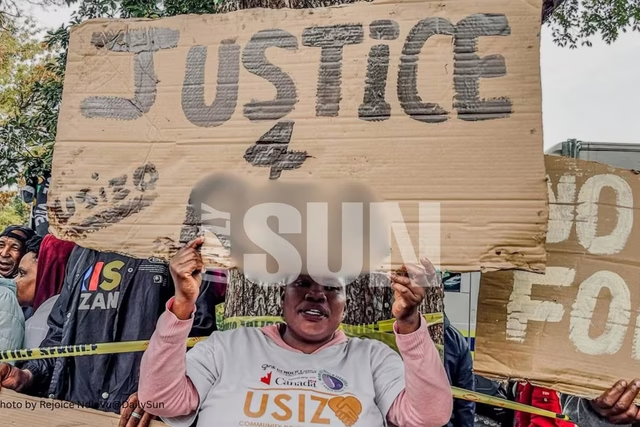
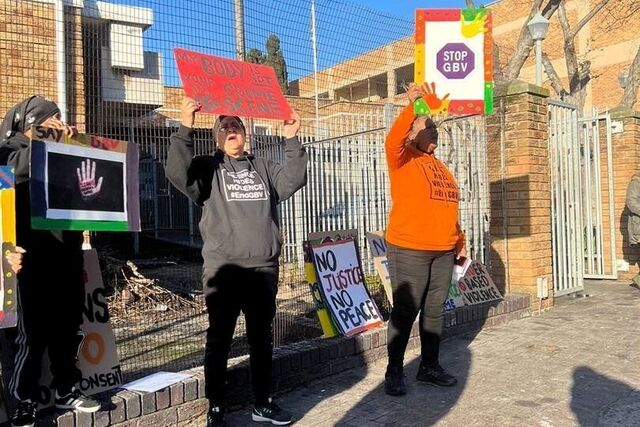
Visibility marches and community mobilisation will continue to normalise conversations around GBV and disability, while ongoing monitoring and learning will ensure the programme remains responsive and safe. LMHS is also pursuing diversified funding to support long‑term scale, including applications to the National Lottery Commission and UN Women Trust Fund, alongside continued support through Gender Links initiatives.
At its core, this story is about recognising whose voices are missing—and choosing to listen. By transforming how GBV advocacy is delivered, LMHS has ensured that girls with disabilities are no longer invisible. They are seen, heard, and empowered to claim their rights.
Comments
Related Stories Of Change