South Africa: Building GBV awareness and life skills through arts based facilitation

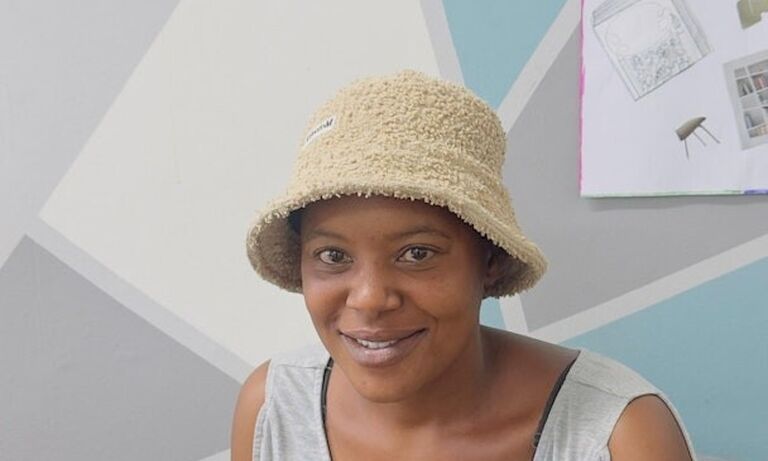
Ziyanda Magadla, a Community Art Counsellor at Lefika La Phodiso, has spent the past nine years working directly with children and adolescents in inner‑city and marginalised communities. Through the organisation’s Gender Links–funded afterschool programme, she facilitates safe spaces where young people can explore difficult topics such as GBV, mental health, personal boundaries, and rights. Before the intervention, many of the children she worked with had little understanding of these concepts. Language barriers, limited prior exposure, and fear of speaking openly made it difficult for participants to engage meaningfully.
Children often struggled to identify abusive behaviour, understand where boundaries should lie, or recognise that they had rights and responsibilities. Mental health was rarely spoken about, and discussions around GBV felt distant from their own experiences. Without accessible tools, facilitators faced the challenge of explaining complex and sensitive issues in ways that young people could understand and relate to.
Recognising this gap, Lefika La Phodiso designed an afterschool programme that places creativity at its centre. The aim was not only to share information, but to build emotional literacy, resilience, and agency among children and adolescents. Ziyanda’s role became pivotal in translating these objectives into daily practice.
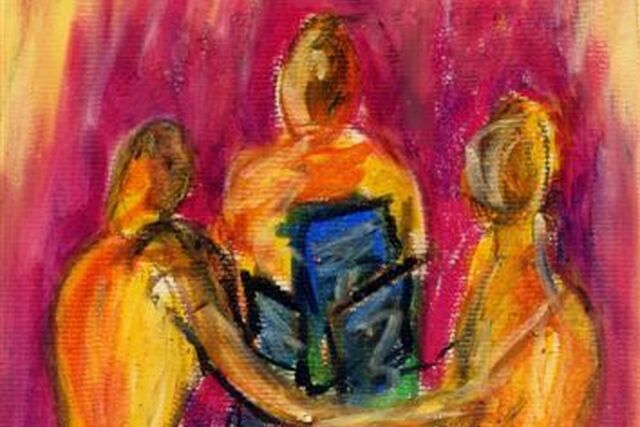
Through her facilitation, art, music, and drama were woven into every session. Instead of relying on lectures or abstract explanations, Ziyanda used creative expression to open conversations about GBV and mental health. Drawing, role‑play, storytelling, and music allowed participants to explore ideas of safety, consent, and respect in ways that felt familiar and engaging.
“So far it’s been going really good,” Ziyanda explains. “Now they have an understanding of what abuse is and what boundaries they shouldn’t cross, or someone shouldn’t cross with them.”
This creative approach marked a clear shift. Concepts that once felt inaccessible began to make sense. Children learned to name abusive behaviour, understand what is acceptable and unacceptable, and recognise that everyone has the right to feel safe. Importantly, these lessons were not delivered in isolation—they were linked to everyday situations that participants could relate to.
Another key change was how discussions around rights were framed. Through interactive activities, children were encouraged to speak about their own rights and how these are connected to responsibilities toward others. “They enjoyed the sessions on rights,” Ziyanda shares, “being able to say, ‘It’s my right to do this,’ and also connecting that with responsibilities.”
Before the programme, many participants lacked the confidence to express themselves or challenge harmful behaviour. They often saw abuse as something they could not question or change. Now, they are able to articulate their rights, understand boundaries, and speak with greater confidence during sessions. The arts‑based approach has made learning not only more accessible, but more memorable.
“Every activity is planned with art and music and drama,” Ziyanda says. “It’s really helping them understand difficult concepts in an engaging way.”
Evidence of this change is visible in participants’ behaviour and engagement. Children who were once quiet now take part actively in discussions and creative exercises. They ask questions, share opinions, and demonstrate a clearer understanding of GBV, mental health, and personal boundaries. Facilitators’ session reports consistently note improved participation, confidence, and sustained understanding of key messages.
The transformation is also evident in how children relate to one another. As awareness has grown, participants show greater respect for boundaries and a stronger sense of responsibility within group settings. Creative activities have fostered trust and connection, making the afterschool space feel safe and supportive.
This story is not only about what children have learned, but how they have learned it. By placing creativity at the centre, the programme has shifted learning from passive listening to active participation. Children are no longer just receiving information—they are engaging with it, questioning it, and applying it to their own lives.
Looking ahead, Lefika La Phodiso aims to sustain and expand these changes. Ongoing arts‑based afterschool sessions will continue to integrate learning about GBV, mental health, rights, and responsibilities. Plans include reaching more adolescents, providing continuous training for facilitators, and supporting peer‑led activities where young people can apply their knowledge and leadership skills.
Ziyanda’s work highlights a powerful lesson: when difficult conversations are made accessible and creative, young people are not only willing to engage—they thrive. Through art, music, and drama, children are finding the language to understand their experiences, claim their rights, and build skills that will support them beyond the afterschool space.
At its heart, this is a story about empowerment—about giving young people the tools to understand themselves, protect one another, and imagine safer, more equitable futures.
Comments
Related Stories Of Change