South Africa: Finding my voice and belonging at Lefika La Phodiso

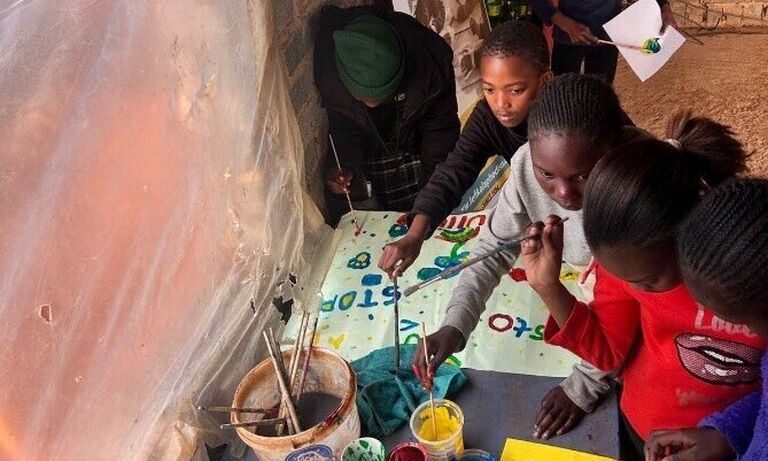
Mimi first encountered Lefika La Phodiso in 2016 through its open studio sessions. At the time, she was one of many young people navigating adolescence in an inner‑city context with limited access to structured psychosocial support. Conversations about gender‑based violence (GBV), emotional wellbeing, identity, and leadership were largely absent from her everyday life. Like many adolescents around her, Mimi was growing up without consistent mentorship or safe environments where sensitive issues could be discussed openly and without judgement.
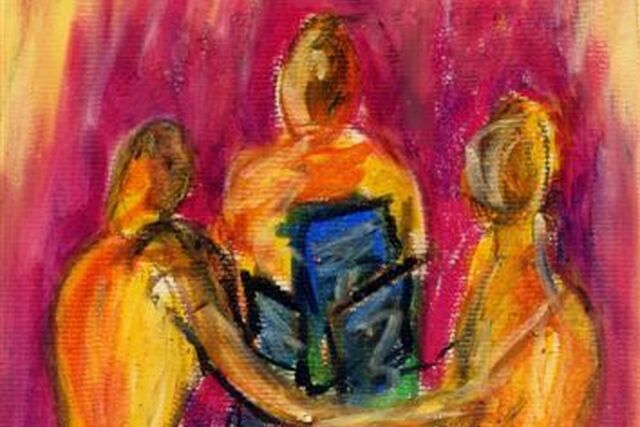
Lefika La Phodiso’s afterschool programme was designed precisely to respond to this gap. The organisation creates inclusive, arts‑based safe spaces where children and adolescents can build emotional literacy, learn about GBV, and develop positive coping and leadership skills. With support from Gender Links, the programme set out to increase young people’s access to psychosocial support, strengthen knowledge around GBV and personal safety, and foster a sense of belonging and positive identity through creative and therapeutic engagement.
For Mimi, these spaces became more than just afterschool activities. Over time, they became a place of belonging.
As she continued participating, Mimi moved beyond the open studio sessions into more structured programme activities. She took part in GBV facilitation sessions alongside other adolescents, engaging in guided discussions, storytelling, and arts‑based learning. These sessions were not abstract lessons. They created opportunities for young people to reflect on their lived experiences, ask difficult questions, and learn practical ways to protect themselves and support others.
“Last year I started doing GBV facilitation sessions with other facilitators, which actually grew my knowledge in what GBV is and how I could actually help if ever I'm facing GBV or if someone else I know is facing GBV,” Mimi shared. “Which has really helped me.”
Through these sessions, Mimi gained more than information. She developed confidence, a sense of responsibility, and leadership skills. She learned how to recognise harmful behaviour, understand her rights, and respond when those rights are threatened. Just as importantly, she learned that she was not alone.
Before joining Lefika La Phodiso, Mimi describes herself as a teenager navigating inner‑city pressures without consistent guidance or structure. Issues such as GBV, emotional wellbeing, and personal discipline were present but rarely addressed in supportive ways. The absence of safe spaces meant that many young people were left to make sense of complex experiences on their own.
Today, Mimi speaks of herself differently.
“I’ve started actually growing in Lefika and feeling welcomed by everyone here,” she reflects. “So now I'm different because of Lefika. It has changed me both mentally as a teenager and also spiritually.”
Feeling welcomed and valued has been central to Mimi’s transformation. At Lefika La Phodiso, she found a community that recognised her voice and potential. This sense of belonging strengthened her emotional resilience and helped her develop a clearer sense of identity. She began to see herself not only as a participant, but as someone capable of leading and supporting others.
“I’m not like the other inner‑city kids,” Mimi says. “Because Lefika has taught me and disciplined me on what to do and what not to do.”
That statement speaks to a subtle but powerful shift. Mimi now associates discipline not with restriction, but with self‑awareness and choice. She understands boundaries, knows where to seek help, and feels equipped to navigate challenges that once felt overwhelming.
The change in Mimi’s life did not come from a single intervention. It emerged through sustained engagement, trusted relationships with facilitators and staff, and a programme structure that centres young people’s lived realities. Creative activities allowed her to express herself, while guided discussions created space for reflection and growth. Importantly, Lefika La Phodiso treated adolescents not as passive recipients of information, but as active participants in their own learning and healing.
Evidence of this change is captured most clearly in Mimi’s own words and actions. In her video testimonial, she speaks openly about increased knowledge of GBV, greater emotional and spiritual growth, and a stronger sense of belonging. Her continued involvement in facilitation sessions and leadership activities demonstrates how confidence translates into action.
While Mimi is the primary beneficiary of this journey, the impact does not end with her. As her confidence and leadership grow, she is better positioned to support peers facing similar challenges. In this way, individual transformation becomes collective resilience.
Looking ahead, Lefika La Phodiso aims to build on these changes by expanding group sessions to reach more adolescents across existing and new sites. Ensuring that both girls and boys have access to safe, structured afterschool spaces remains a priority. The experience with Mimi reinforces a key lesson: inclusive, arts‑based environments where young people can engage honestly with issues like GBV are not optional—they are essential.
Mimi’s story is ultimately about more than personal growth. It is about what becomes possible when young people are given space, trust, and the tools to understand themselves and their world. In finding her voice at Lefika La Phodiso, Mimi has also found belonging—and a path forward grounded in confidence, care, and choice.
Comments
Related Stories Of Change