South Africa: Change seen through parents’ eyes

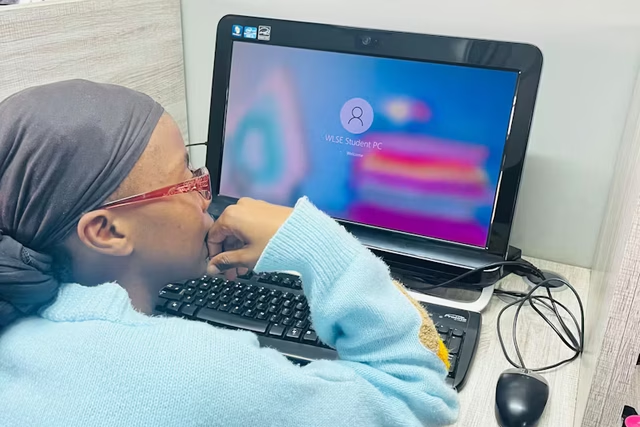
Indiphile Ngalo remembers how helpless she felt watching her child struggle with basic learning tasks. Her child found it hard to concentrate for long periods and doubted herself when answering questions or doing homework. Even simple activities, such as identifying colours, became stressful moments that deepened the child’s loss of confidence.
Nomaphelo Somjwaxa faced similar challenges. Her child loved to play but could not focus, rarely completed homework, and showed little interest in school. As a parent, Nomaphelo worried that without support, her child would continue to fall behind. At home, parents felt overwhelmed and unsure how to help their children succeed on their own.
For many families, these struggles went beyond schoolwork. They affected children’s confidence, communication, and relationships at home. Parents worried not only about academic performance, but also about whether their children believed in themselves.
Support that reached beyond the classroom
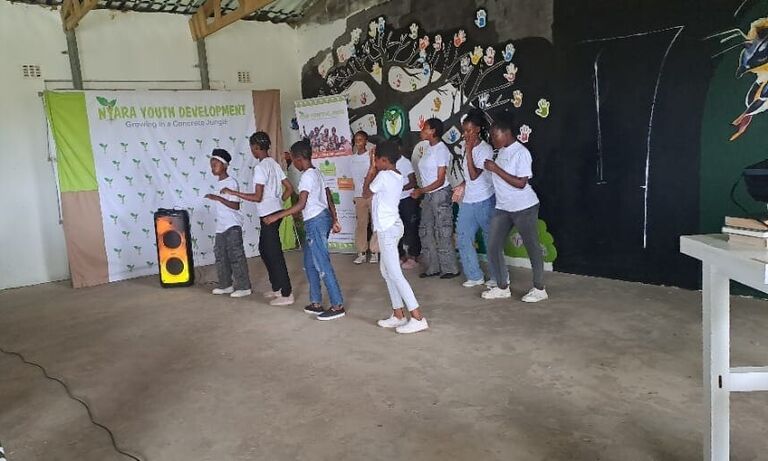
The turning point came with the consistent after‑school support offered by the LEAP Learner Programme at Nyara Youth Development. Children attended regular sessions where academic tutoring was combined with emotional and social support. Tutors and coaches worked closely with learners, offering encouragement, patience, and guidance tailored to each child’s needs.
Rather than focusing only on results, the programme created a supportive space where children felt safe to ask questions, make mistakes, and keep trying. This steady presence of positive adult role models helped shift how children viewed learning and themselves.
Indiphile noticed the changes first at home. Her child began coming back from NYD excited to talk about what she had learned. She became more focused, more confident, and more willing to try new activities without fear of failure. Homework time, once a source of stress, became an opportunity for conversation and shared learning.
Nomaphelo saw a transformation she had never expected. Her child now listens attentively in class, completes homework independently, and has started receiving academic awards. For Nomaphelo, these achievements represented much more than certificates. They showed that her child had begun to believe in her own abilities.
Everyday proof of lasting change
The difference between life before and after the programme is clear to parents and teachers alike. Before, children struggled to focus, avoided schoolwork, and lacked confidence. Today, they participate in class, complete homework more independently, and communicate more openly at home.
Teachers have also noticed improved behaviour, stronger participation, and better academic performance among learners in the programme. At home, parents describe calmer environments where children take more responsibility and eagerly share what they have learned at NYD.
For Indiphile, the most powerful evidence lies in everyday moments. Her child now speaks with confidence, participates without hesitation, and explains school concepts in her own words. For Nomaphelo, the change is reinforced by feedback from teachers and the visible progress seen not only in her own child, but in other children across the community.
As one parent reflected, “The LEAP Learner programme has helped our child believe in themselves again. It brought a positive change in confidence and growth to our family. We have seen our child grow stronger, more focused, and more confident through the LEAP programme.”
Another parent shared, “My child is doing well at school now — she passes, she gets awards, and she’s a top achiever in her class.”
Teachers have echoed these experiences, with one noting that, “Even the teachers at school have noticed that this programme brings more change in the community.”
Looking ahead with hope
For parents, the LEAP Learner Programme has become much more than an after‑school activity. It is a reliable space where children feel supported, encouraged, and guided, especially for families where parents work and cannot always assist with homework at home.
Indiphile believes the confidence and independence she now sees in her child will carry into the future. She hopes the programme continues to grow by bringing in more tutors, coaches, and even sporting opportunities, recognising that children learn and develop in different ways.
Nomaphelo shares this hope. She believes that as the programme continues, more families will experience the same positive changes she has seen — not only in academic performance, but in behaviour, communication, and self‑belief.
Parents want the programme to remain strong and consistent, while expanding its reach so that more children can benefit academically, emotionally, and socially. In Lusizini Village, the change is not measured only in grades or awards. It is seen in confident children, lighter homes, and parents who now look to the future with hope.
Comments
Related Stories Of Change