South Africa: Physical and Spiritual Healing

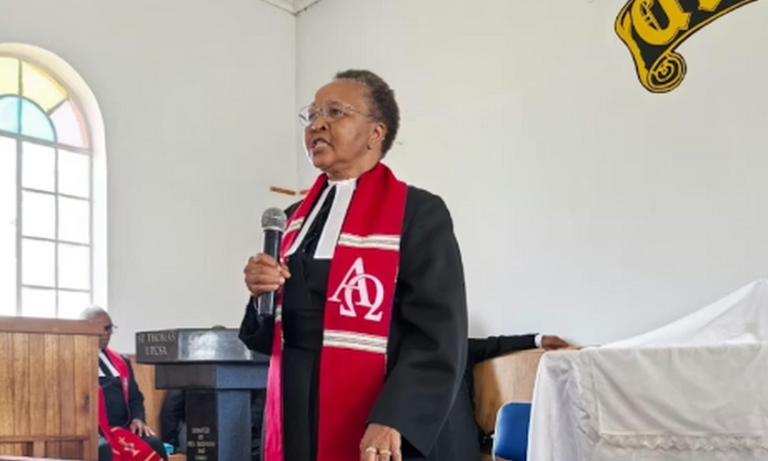
Rev Dr Bukelwa Hans lives and works in Gqeberha, formerly known as Port Elizabeth. She is a retired medical doctor, an ordained minister of the Uniting Presbyterian Church in Southern Africa, and a former Member of Parliament. This rare combination of medical training, spiritual leadership, and legislative insight places her in a unique position to respond to gender-based violence with both compassion and practical understanding.
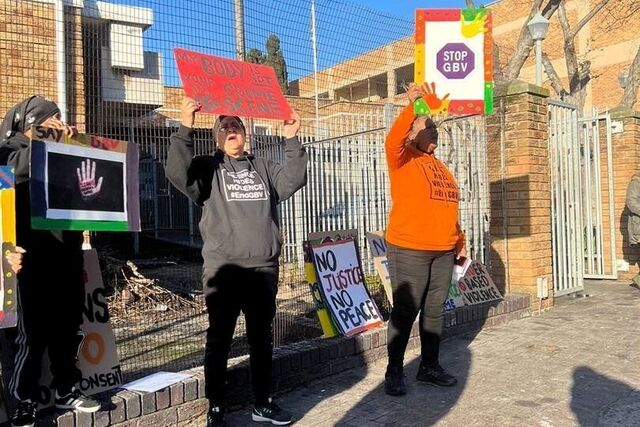
Before the intervention, survivors of gender-based violence, particularly women, struggled to come forward and ask for help, especially within faith spaces. Many carried deep physical and psychological trauma while fearing judgement, exposure, or retaliation. Churches, which should be places of refuge, were often experienced as spaces where silence was safer than truth. Survivors worried that sharing their stories could compromise their safety or that of their children.
The church recognized a critical gap. Survivors needed a trusted environment where they could speak openly, heal, and be supported without fear. The central challenge was how to create a confidential and credible safe space within the congregation, one that respected survivors’ dignity, protected their safety, and responded to the complex realities of their lives.
The key objective was clear: to establish a safe, trustworthy space where survivors could share their experiences, confident that their stories would remain confidential. This required careful planning, sensitivity, and leadership grounded in both faith and professional ethics. The intention was not only to listen but to walk with survivors through recovery, safety planning, and healing.
The change that followed was both real and positive. Survivors began to come forward gradually, often starting by attending morning prayers. These gatherings provided a discreet and non-threatening entry point. During these moments, survivors could quietly request follow‑up meetings, which were then scheduled openly through church notices. This approach ensured there was no suspicion or risk associated with their presence during the week.
Once trust was established, survivors were supported to share their stories at their own pace. Together with them, safety plans were developed for both parents and children. Practical arrangements were made with local clinics to provide medical consultations when needed. Recognizing that survivors face a wide range of challenges, the church built a confidential database of organizations able to offer legal, social, medical, and psychosocial support.
This integrated approach reflected Rev Dr Hans’s holistic understanding of healing. Physical wellbeing could not be separated from emotional and spiritual recovery. Survivors were supported through prayer, counselling, referrals to trauma professionals, and ongoing pastoral care. Many did not have the financial means to access private counselling, making the church’s role as a support structure essential.
Change became evident over time. Survivors began sharing updates on their progress, including steps taken to leave abusive situations with their children. Some reported improvements in their mental wellbeing after engaging in counselling and support services facilitated through the church. Others described feeling less alone and more hopeful, knowing that their stories were heard and believed.
What started as individual support evolved into something larger. A survivor network began to form, connecting women who had previously suffered in isolation. The network continues to grow and intentionally includes survivors beyond the congregation, extending support to the wider community. This collective has become a space of shared strength, peer support, and healing.
The evidence of change is tangible. The number of survivors engaging with the network continues to increase. Their experiences and progress are carefully documented and safeguarded, with records held only by Rev Dr Hans, the congregation’s social worker, and an assistant pastor. Survivors also report feeling mentally stronger and more able to cope with past trauma.
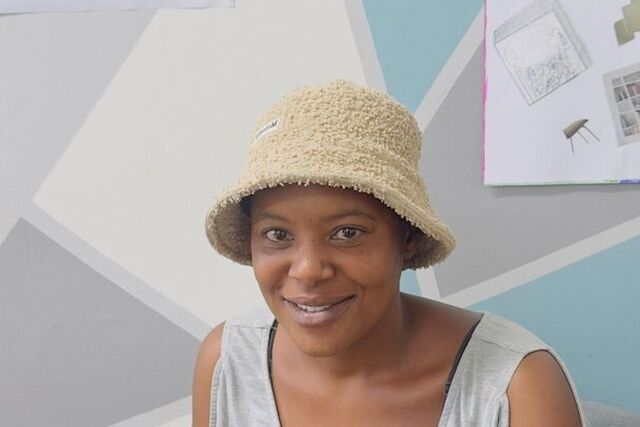
Their voices speak powerfully to this transformation. One survivor shared that being part of her church saved her life. She described feeling stripped of dignity by her circumstances and too ashamed to speak, even in faith spaces. When she finally opened up, she felt loved, supported, and safe. Others followed her lead, and what had once been silence became a loving family.
Another survivor described losing all hope while trapped in an abusive relationship. Through the church’s support, prayers, and counselling, she experienced care that did not waver. A third shared how hearing others speak openly gave her the courage to come forward, helping her rebuild her life through counselling, prayer, and empowerment.
Rev Dr Hans’s leadership is also recognized beyond the congregation. She joined the third cohort of the Faith Leaders Gender Transformation Program in 2024, where she engaged deeply with survivor‑led approaches to GBV programming. During the module on survivor‑centered responses, she reflected on how many women’s medical conditions are rooted in unaddressed psychological trauma. This insight marked a turning point, calling her to shift her focus from prescribing medication to creating spaces where deep psychological and spiritual healing could take place.
She now plays a significant leadership role in the Faith Action to End GBV Collective as a member of the Steering Group and convener of the working group addressing mental health. Her journey demonstrates how faith leadership, when grounded in survivor‑centered practice, can become a powerful force for healing and justice.
Sustainability lies in the continued growth of the survivor network and the church’s commitment to making resources available. The work continues to expand carefully, guided by trust, confidentiality, and survivor leadership. What began as a safe space has become a living example of how faith communities can respond meaningfully to gender based violence.
Physical and spiritual healing, in this context, is not abstract. It is built through trust, presence, and courage. Through Rev Dr Bukelwa Hans’s leadership, survivors are no longer suffering in silence. They are being seen, heard, supported, and restored.
Comments
Related Stories Of Change