South Africa: The power of rising

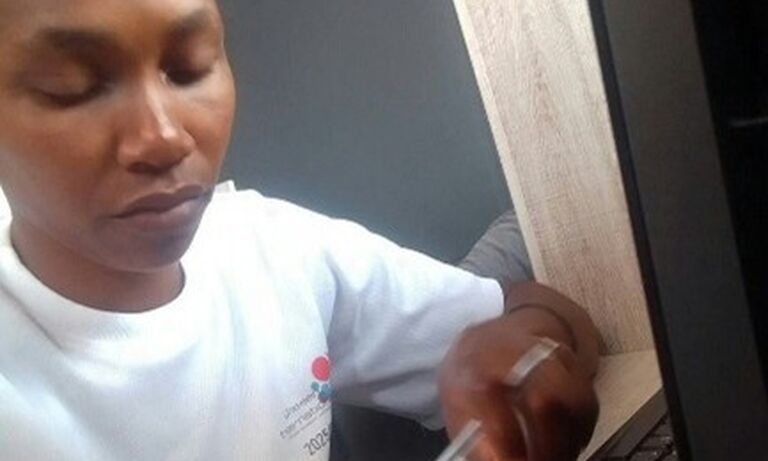
Nelisiwe Emmitian Maphlanga’s story is one of survival, healing and leadership. A woman from Etwatwa on the East Rand in Gauteng, Nelisiwe is a mother, community engager, GBV ambassador for Be the Voice, and a social media influencer with the Unseen International Pageant. At the time she joined the Women Leadership Social Empowerment (WLSE) programme, she was also a survivor of gender-based violence (GBV), carrying the weight of trauma that had shaped every part of her life.
Before the intervention, Nelisiwe and her children lived under the heavy emotional, physical and psychological impact of GBV. The violence had taken a profound toll on her mental well-being, confidence and sense of self-worth. She describes a period marked by anger, emotional withdrawal and deep pain. Like many survivors, she carried her trauma in silence, with limited access to structured psychosocial support or opportunities for empowerment. Her children were indirectly affected, experiencing emotional distress and instability at home.
Etwatwa, the community where Nelisiwe lives, is characterised by high levels of GBV, unemployment and limited access to psychosocial and economic empowerment services, particularly for women and young people. These conditions increase vulnerability to violence and make recovery more difficult. For many women, survival becomes the priority, while healing and personal growth remain out of reach.
\What set Nelisiwe apart was her determination to turn pain into purpose. Even before she had fully healed, she felt a strong pull to speak out against GBV, to support other survivors and to use her voice for change. However, passion alone was not enough. She lacked the emotional readiness, confidence and structured support to transform this desire into sustained action.
WLSE was designed to respond to exactly this gap. The programme focuses on GBV prevention, psychosocial support, economic empowerment and leadership development. Its objectives include increasing awareness of GBV, strengthening access to support services, empowering women and youth through skills development, and fostering community leadership and movement-building to prevent violence. For survivors like Nelisiwe, this holistic approach created a pathway not only to heal, but to lead.
Through her participation in the WLSE programme, Nelisiwe entered a safe and structured space for learning, reflection and growth. GBV awareness sessions helped her understand that what she had experienced was not her fault. Counselling and psychosocial support allowed her to process trauma, rebuild emotional strength and reconnect with her sense of worth. Leadership and empowerment activities helped her recognise the value of her voice and her lived experience.
The change was both profound and visible. Nelisiwe moved from silence, trauma and self-doubt to courage, healing and active leadership. She gained renewed self-belief and the confidence to speak openly about her experiences of GBV. This transformation extended beyond her own life. Her children now experience a more stable, hopeful and emotionally supportive home environment, benefiting directly from her healing.
“The programme did not only change me, it changed my home,” says Nelisiwe Emmitian Mahlangu. “My children now see a mother who is calm, hopeful and strong. Because of WLSE, I am able to support them emotionally and show them that no matter what happens in life, you can rise again.”
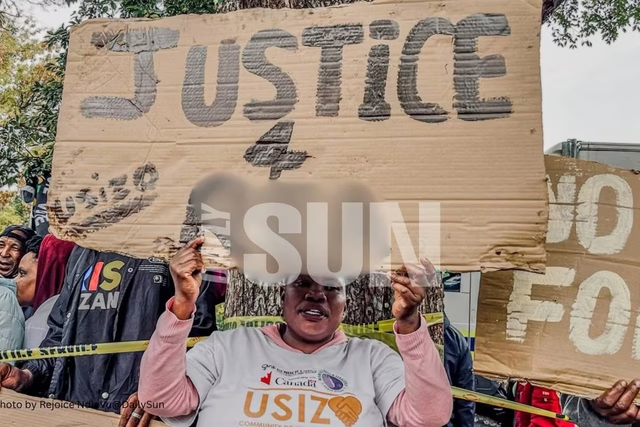
As her confidence grew, so did her engagement with the community. Nelisiwe became actively involved in GBV awareness, advocacy and peer support. She now speaks openly in community spaces, supports other women facing similar challenges and serves as a role model for survivors who are still finding their voice. Her journey shows how personal healing can ripple outward, creating change at family and community level.
“Before WLSE, I was broken and silent,” she reflects. “I was surviving, but I had no confidence or direction. Through WLSE, I found my voice, my strength and my purpose. Today I am standing up for other women, volunteering in my community, and showing my children that healing and growth are possible.”
Evidence of this change can be seen in Nelisiwe’s actions and continued engagement. She has taken on leadership and advocacy roles, delivers motivational talks and contributes to survivor support initiatives. Her participation has moved beyond attendance to active contribution, using lived experience to strengthen peer learning and community response to GBV.
Her involvement also extends to formal community structures. Nelisiwe is part of a youth cohort volunteering with the South African Police Service (SAPS) Youth Desk. This engagement reflects increased civic responsibility, trust in institutions and sustained commitment to GBV prevention. It also highlights the importance of linking survivor leadership with the justice system to strengthen community safety.
“WLSE turned my pain into purpose,” she says. “Today I am no longer afraid to speak about GBV. I support other women, volunteer in my community, and use my voice to create change. Without WLSE, I would not be where I am today.”
The sustainability of this change lies in the programme’s emphasis on leadership, skills and community ownership. Beneficiaries are supported to move beyond participation into active roles in advocacy, volunteerism and peer support. Ongoing engagement with the SAPS Youth Desk strengthens long-term GBV prevention efforts, while partnerships with community organisations and service providers ensure continued access to mentorship and opportunities.
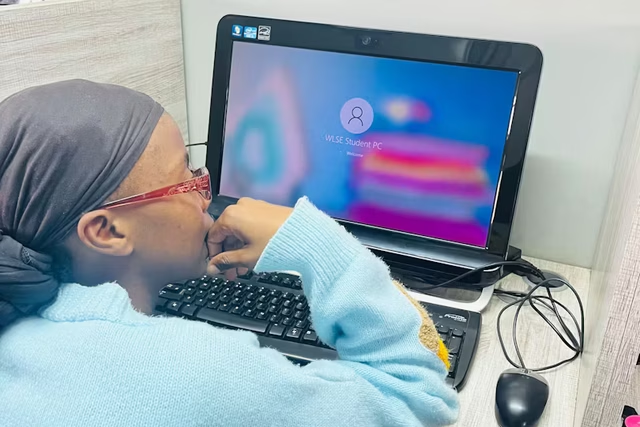
Looking ahead, next steps include completing the current computer training programme, strengthening follow-up support for graduates, expanding partnerships and deepening movement-building activities. By positioning survivors like Nelisiwe as leaders, WLSE demonstrates that healing and empowerment are not endpoints, but foundations for lasting social change.
Nelisiwe’s story is a powerful reminder that rising from violence is possible. With the right support, survivors can reclaim their voice, restore their dignity and lead the way towards safer, more equal communities.
Comments
Related Stories Of Change