South Africa: Providers of healing and growth


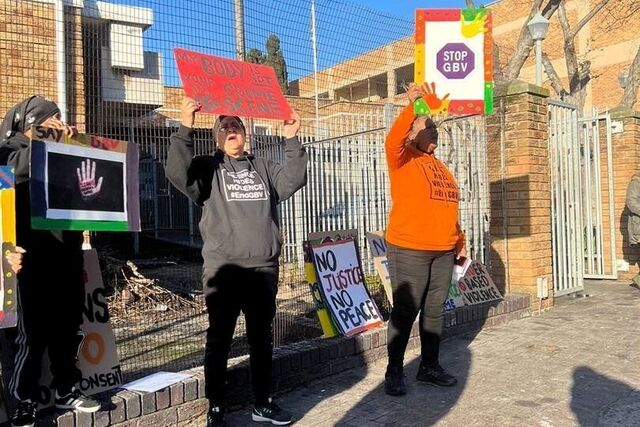
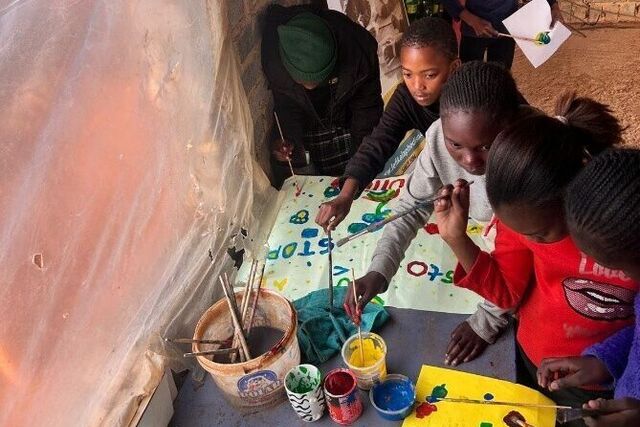
Across South Africa, community‑based organisations and frontline workers are often the first, and sometimes the only line of support for people living with violence, poverty, and exclusion. They support survivors of gender‑based violence, sex workers navigating criminalisation and abuse, LGBTQI+ individuals facing discrimination, and communities experiencing chronic economic and social hardship. While their work is essential, it comes at a cost that is rarely visible: emotional exhaustion, unprocessed trauma, and burnout.
Before the intervention by the Mental Wellness Initiative (MWI), many of the organisations and individuals it engaged with were operating under extreme emotional and structural strain. Staff and volunteers were responding to crisis after crisis, often while carrying their own histories of trauma. For many, supporting others meant suppressing their own pain in order to remain functional. Over time, this led to compassion fatigue, emotional numbness, and difficulty regulating stress and anxiety.
Despite their dedication, most organisations had no access to psychosocial support, trauma debriefing, or structured mental wellness training. Limited funding meant that professional mental health services were often unaffordable, and mental wellness was deprioritised in favour of immediate crisis response. As a result, staff wellbeing suffered, retention became a challenge, and the quality of care provided to communities was increasingly strained. The need for support was clear, but the space to address it was almost non‑existent.
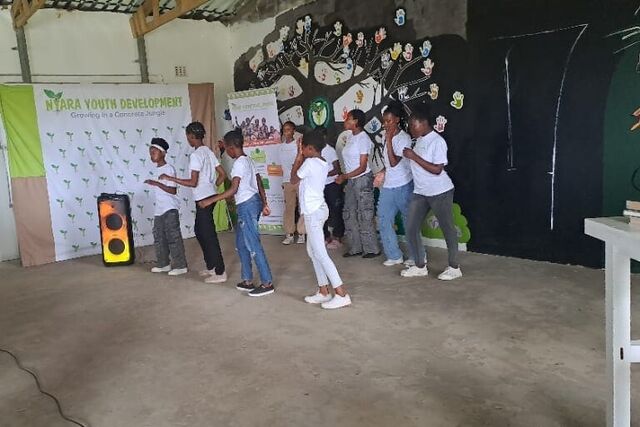
MWI’s intervention marked a turning point. Through a four‑part trauma healing and mental wellness workshop series, MWI created intentional spaces for frontline workers to pause, reflect, and reconnect with themselves. Rather than focusing only on theory, the programme combined trauma‑informed learning with embodied, practical tools designed to help participants regulate their nervous systems and process trauma safely.
Participants were introduced to emotional regulation techniques, breathwork, yoga, meditation, talk therapy approaches, shadow work, and Trauma Release Exercises (TRE). Each workshop was carefully structured to include learning, embodied practice, and reflection, recognising that healing is both cognitive and physical. Delivered in partnership with trusted community organisations, the workshops prioritised frontline workers operating in high‑burden contexts, where emotional strain is constant and support is scarce.
The impact of this approach was immediate and deeply personal. Participants reported feeling more grounded, self‑aware, and emotionally regulated. For many, it was the first time they had been encouraged to recognise that they, too, matter—that their bodies carry stress signals worth listening to, and that self‑care is not a luxury, but a necessity.
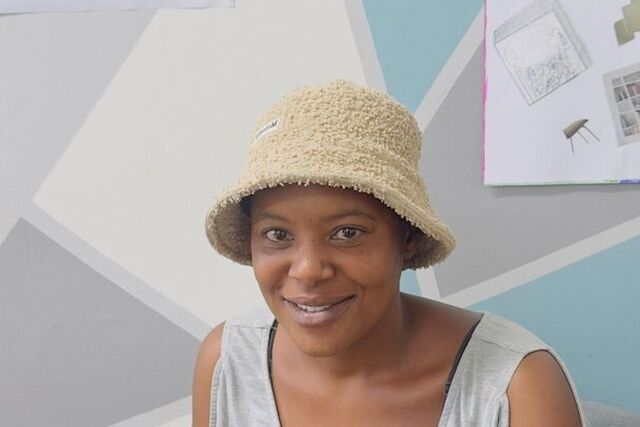
One participant, Dimakatso Mokoena, reflected on this shift: “To share and open up more, that I also count and I need to put myself first. I also took away tips on how to realise stress while not hurting my body and also to listen to my body.” This recognition—that caregivers are also deserving of care—became a central theme across the workshops.
Others spoke about gaining practical tools to manage anxiety and emotional overwhelm. “I really loved the emotional regulation strategies they shared,” said Jessica Madinane. “They have been incredibly helpful in managing my anxiety. Thank you for your support.” These tools helped participants develop healthier ways of responding to stress, both in their personal lives and in their work with communities.
For some, the experience went even deeper. Mulalo Mphephu described the process as transformative: “I walked through a journey of self‑exploration and re‑discovered myself. I’m now a better version of myself. Thanks a million.” Such reflections point to more than temporary relief—they signal meaningful internal change.
Evidence of this change has been documented through consistent qualitative feedback, post‑workshop storytelling interviews, and direct observations from organisational leadership. Participants reported reduced emotional overwhelm, improved self‑regulation, and greater confidence in supporting others without becoming depleted themselves. Several organisations also noted improvements in staff wellbeing and retention, highlighting the organisational‑level impact of prioritising mental wellness.
Importantly, many participants expressed a desire to extend this work beyond themselves. Some showed interest in becoming facilitators, while others began sharing the tools they had learned within their organisations and communities. This demonstrates not only the effectiveness of the intervention, but its sustainability. By building internal capacity for healing, MWI has helped organisations move towards embedding wellness into their everyday practices.
Today, MWI continues to support organisations and trauma‑affected individuals through a range of workshops delivered both in‑office in Randburg and in community spaces across Gauteng and beyond. Whether working within organisational settings or directly with communities, MWI’s approach remains grounded in the belief that healing is foundational to growth, resilience, and long‑term social change.
By supporting those who support others, MWI is strengthening the very systems that communities rely on. In doing so, it is helping to shift the narrative—from one where frontline workers are expected to endure silently, to one where care, healing, and sustainability are recognised as essential to justice and transformation.
Comments
Related Stories Of Change