South Africa: From survivors to community changemakers

For many young people, surviving gender-based violence (GBV) leaves deep emotional, physical and psychological scars. Confidence is eroded, trust is shaken, and the future can feel uncertain. This was the reality facing 20 young survivors from a local South African community before they joined the Women Leadership Social Empowerment (WLSE) programme.
The group, made up of young women and men from different parts of the community, shared a common experience of violence and trauma. Before the intervention, many struggled with low self-esteem, anxiety and a sense of isolation. The impact of GBV extended beyond the individual, affecting families, relationships and the wider community. Emotional distress often limited their ability to participate meaningfully in community life, while limited access to skills development reduced their chances of economic independence.
Despite these challenges, the participants brought with them resilience and determination. They were motivated to rebuild their lives, learn new skills and contribute positively to their communities. What they lacked was structured support to help them transform this motivation into meaningful action.
WLSE was designed to respond to this gap through a holistic approach that recognised the interconnected nature of trauma, skills and leadership. The programme focused on four key areas: GBV awareness, psychosocial support, economic empowerment and leadership development. Its objectives were clear: to provide accredited computer skills training to improve employability; to offer counselling and psychosocial support to help survivors process trauma and rebuild confidence; and to create opportunities for community leadership, including volunteering at the South African Police Service (SAPS) Youth Desk.
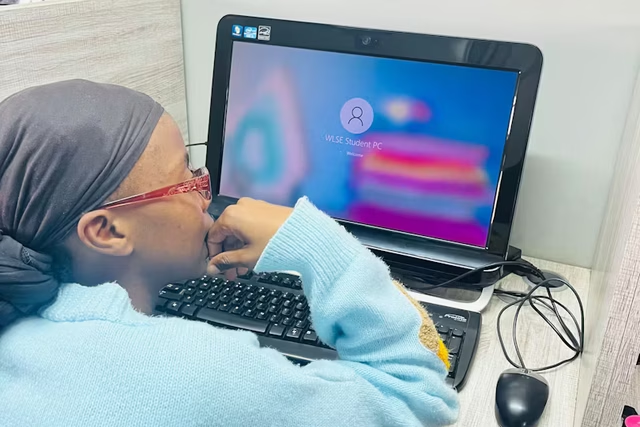
This combination of interventions laid the foundation for a profound shift. Through the programme, the 20 participants enrolled in an NQF Level 3 End User Computer course, gaining practical digital skills that strengthened their work readiness. At the same time, structured counselling sessions provided a safe space to confront past experiences, rebuild self-worth and develop emotional resilience. The results have been transformative.
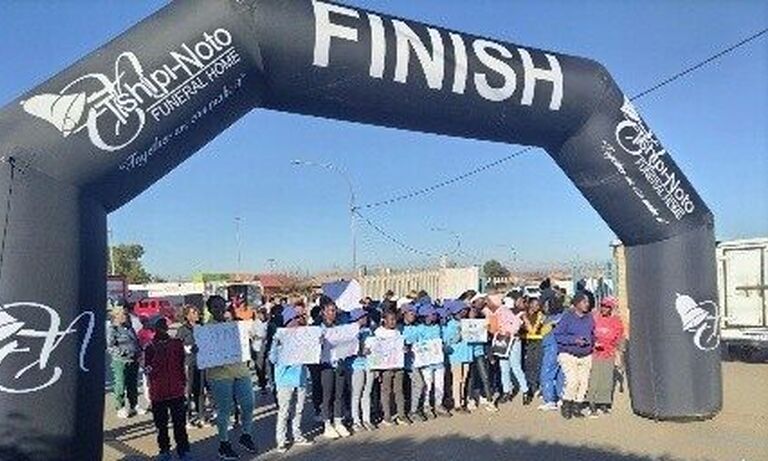
Today, all 20 participants are actively volunteering at the SAPS Youth Desk. In this role, they support GBV awareness campaigns, take part in community outreach and provide peer support to other young people. This engagement has strengthened their leadership and advocacy skills, while also giving them practical experience in community safety and survivor-centred approaches.
The change is visible at both individual and community levels. Participants report improved confidence, a stronger sense of purpose and greater belief in their ability to shape their own futures. Their involvement at the Youth Desk has also benefited the wider community, as young people who once felt silenced are now contributing directly to GBV prevention and support efforts.
One participant, Tsaka Nkomo, reflects on the personal impact of the programme:
“The counselling sessions helped me face my past and believe in my potential. I am no longer silent about what I have been through, and now I can help others by volunteering at the SAPS Youth Desk. I feel empowered to make a difference.”
For Mbali Hope Mmfya, the combination of skills training and emotional support was life changing.
“WLSE taught me skills I never had before and gave me a safe space to grow. Volunteering at the Youth Desk has changed my life. I am using what I learned to support others and show that survivors can lead and inspire their community.”
Boikhanyo Mashigo echoes this sense of renewal and purpose.
“Before joining the WLSE programme, I felt lost and unsure of myself. Now, with the computer skills I’ve learned and the support I received through counselling, I feel confident and ready to contribute to my community. Volunteering at the Youth Desk has given me purpose and pride.”
These voices reflect a clear shift from survival to leadership. Before the intervention, participants faced the combined burden of trauma, limited opportunities and social withdrawal. Now, they are confident, skilled and actively engaged in building safer communities. Several have taken on leadership roles, including delivering motivational talks to peers, demonstrating not only personal growth but also a commitment to lifting others.
Evidence of change is both quantitative and qualitative. All 20 participants are volunteering consistently at the SAPS Youth Desk, a measurable indicator of active civic engagement. Attendance records and course completion demonstrate progress in digital literacy and work readiness. Counselling feedback highlights improved emotional well-being, resilience and self-esteem.
Sustainability is built into the programme’s design. Continued volunteering at the SAPS Youth Desk allows participants to apply and reinforce their skills over time, while mentoring peers strengthens leadership capacity. WLSE plans to provide follow-up support, including refresher sessions on digital skills, leadership development and community engagement, to maintain momentum and motivation.
There is also strong potential for scale. Partnerships with organisations such as NextGen Academy, EmpowerHerment Network and the SAPS Youth Desk create additional pathways for referrals, training and volunteer placements. By integrating skills development, counselling and structured community engagement, WLSE offers a replicable model that can be adapted to other communities.
This story shows what is possible when survivors are supported not only to heal, but to lead. By investing in their skills, confidence and agency, WLSE has helped transform 20 young survivors of GBV into community changemakers who are shaping safer, more equal futures for themselves and others.
Comments
Related Stories Of Change