South Africa: Journey of discovering healing

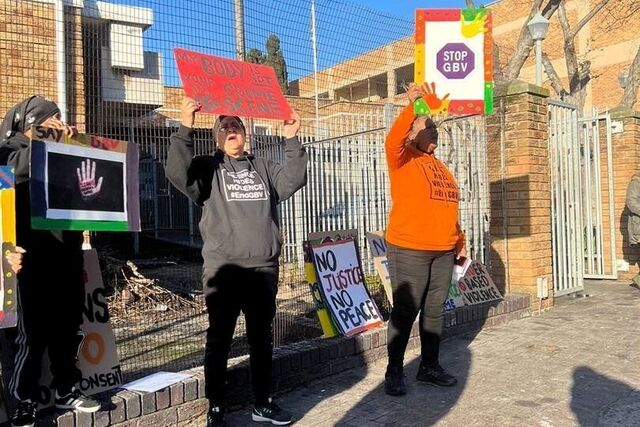
In a rural community north of Pretoria, in Hammanskraal, a small organisation carries a heavy burden. Vuka Enough NPO works on the frontlines of gender-based violence (GBV), child protection, and community safety—often stepping in where formal systems fall short. Their work is vital, urgent, and emotionally demanding. Day after day, staff and volunteers listen to stories of abuse, loss, and fear. While they are committed to protecting others, the toll of carrying so much trauma is rarely acknowledged.
The name Vuka Enough holds deep meaning. “Vuka” means to wake up in isiZulu—a call to action for the community to confront GBV and related violence. For years, the organisation has answered that call by supporting survivors, protecting children, and advocating for safer spaces. Yet, like many community-based organisations, the caregivers themselves were often left without tools to process their own pain. In a context where violence is persistent and resources are limited, emotional exhaustion and burnout became a silent risk.
Before the intervention, staff at Vuka Enough were doing their best to hold others together while quietly struggling themselves. They absorbed the trauma of survivors while carrying their own unresolved wounds. Being a helper in such an environment meant constantly prioritising other people’s safety and healing, often at the expense of one’s own wellbeing. The work required strength, resilience, and compassion—but it rarely made space for rest, reflection, or emotional recovery.
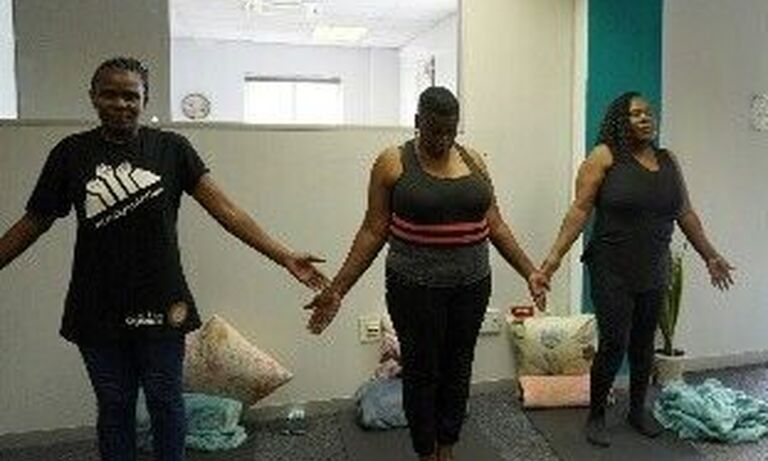
That began to change when staff members attended Mental Wellness Workshops hosted through the Mental Wellness Initiative (MWI). These workshops introduced practical tools designed not only for supporting others, but for nurturing the self. Participants were introduced to concepts such as somatic breathing, emotional regulation, shadow work, and intentional self-care—approaches that acknowledge how trauma lives in both the body and the mind.
For many participants, this was the first time they were encouraged to pause and ask a different question: How am I coping? Instead of pushing through exhaustion, they learnt that caring for themselves was not selfish, but necessary. The workshops emphasised that sustainable activism and caregiving begin with internal healing. To help others heal, one must first learn how to recognise and tend to their own wounds.
Through repeated engagement in these sessions, staff members began to experience a shift. They learnt how to regulate their emotions, how to breathe through moments of stress, and how to recognise the early signs of burnout. Most importantly, they learnt that healing is an ongoing process—one that allows space for growth, self-discovery, and renewed purpose.
The impact was deeply personal. Participants reported feeling lighter, stronger, and more emotionally grounded. Where there once was constant overwhelm, there was now awareness. Where there once was emotional depletion, there was reflection and intentional care. The tools offered through the workshops did not erase the challenges of their work, but they changed how staff related to those challenges.
One participant shared simply, “Thank you so much for the mind and body meditation techniques.” Another described a profound shift in mindset: “I have learnt to fill up my cup first before I go fill others’ cups. Thank you so much MWI for these tools and techniques.” A third reflected on her own journey of recovery, saying, “I have learnt new ways of how to manage my stress and heal from my trauma. These techniques are really helpful and amazing.”
These voices reflect more than gratitude—they signal transformation. The staff of Vuka Enough are not only better equipped to support survivors of GBV; they are also learning how to show compassion to themselves. By recognising their own trauma and learning healthy coping mechanisms, they are breaking cycles of emotional neglect that often affect caregivers in high-stress, violence‑affected communities.
The change has also strengthened the organisation as a whole. When caregivers are supported, their work becomes more sustainable. Staff members are now able to share the tools they have learnt with survivors and community members, creating a ripple effect of healing. The same breathing techniques, grounding exercises, and approaches to emotional regulation are being passed on—embedding wellness into the organisation’s daily practice.
Looking ahead, Vuka Enough plans to continue using these tools within their own spaces while extending them to others in the community. Healing, they recognise, is essential for growth—not only for individuals, but for movements seeking long-term change. By prioritising mental wellness alongside advocacy and protection work, the organisation is strengthening its ability to stand with survivors and challenge gender-based violence more effectively.
In learning to heal themselves, the staff of Vuka Enough have discovered something powerful: sustainable change begins within. Their journey is a reminder that those who fight violence also deserve safety, care, and the chance to heal.
Comments
Related Stories Of Change