South Africa: Influence of civil society in a court decision on a femicide case

For many women and families, the killing reinforced a painful reality: femicide had become a recurring threat, and justice often felt uncertain.
The situation grew more alarming when the possibility of the suspect being granted bail emerged. Survivors, families and community members feared that releasing the accused back into the community could lead to intimidation, further harm or even loss of evidence. Many felt powerless in the face of systemic failures that have too often allowed perpetrators of violence against women to move freely while families are left to mourn.
It was in this urgent and emotionally charged context that Thusanang Trauma Centre stepped in.
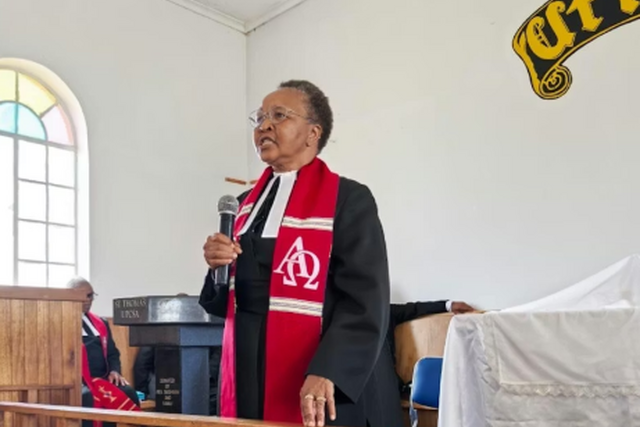
As a long‑standing organisation supporting survivors of gender‑based violence, Thusanang recognised the gravity of the moment. The organisation understood that silence or inaction would deepen fear and undermine community safety. Determined to protect women and demand accountability, Thusanang mobilised local stakeholders, including community members, civic structures, faith leaders and activists, to take collective action.
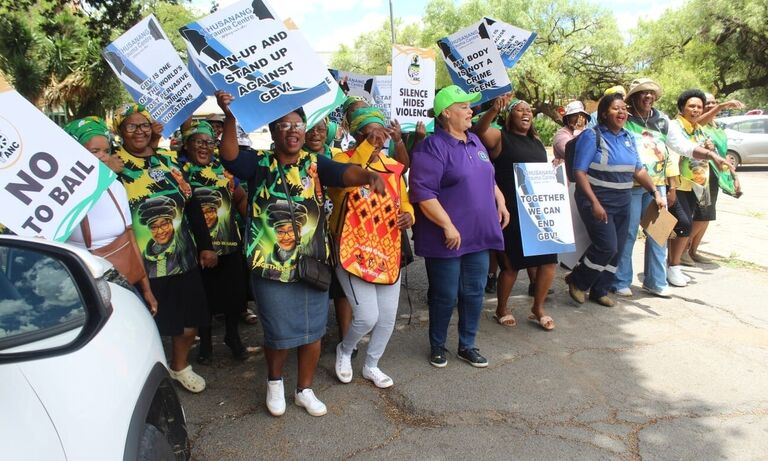
Together, they drafted and submitted a petition to the Lichtenburg Magistrate Court opposing bail for the suspect. The petition did more than object to a legal process. It captured the collective pain, anger and frustration of a community that had endured repeated killings of women by intimate partners. It highlighted the real risks of releasing a suspect accused of femicide and called on the justice system to prioritise public safety and women’s lives.
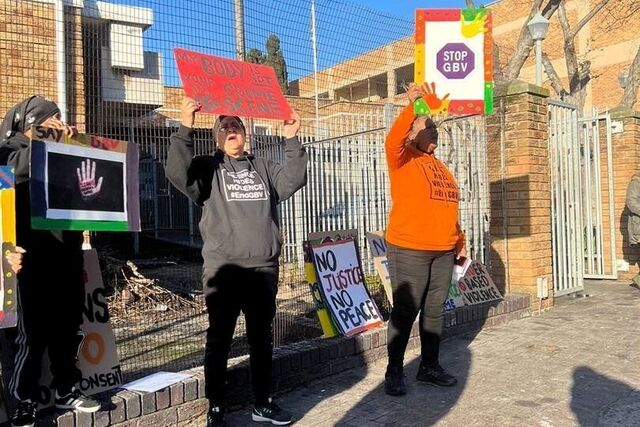
As the case progressed, the suspect applied for bail multiple times. Each application reignited fear and anxiety within the community. Yet the collective voice did not waver. Community members continued to show up, picket outside the court and stand in solidarity with the family of the deceased.
Then came a decisive moment.
The Lichtenburg Magistrate Court firmly denied bail.
In delivering the ruling, the magistrate explicitly acknowledged the community’s fury and frustration over the ongoing killing of women by their boyfriends, often arising from misunderstandings. The Court recognised that granting bail would undermine justice and public trust. This clear and courageous stance marked a turning point.
For the community, the decision brought relief and validation.
“When the Court denied bail, we finally felt heard,” said a community member who was a long‑time friend of the deceased. “For once, women’s safety was put above the suspect’s freedom.”
The refusal of bail sent a strong message: femicide would not be treated lightly, and community voices matter. It demonstrated that the justice system can respond decisively when faced with organised, principled advocacy grounded in the protection of human rights.
“This petition showed the power of unity,” said an activist involved in the process. “Our voices influenced the Court, proving that collective action can protect lives and challenge gender‑based violence.”
The evidence of change is clear and documented. Court records confirm that bail was denied after multiple applications. The petition submitted by Thusanang Trauma Centre and its partners stands as tangible proof of collective mobilisation. Judicial statements during the ruling explicitly referenced community anger and the broader crisis of femicide, showing that public sentiment influenced the decision.
Most importantly, the suspect remained in custody. This outcome reduced the risk of intimidation or further harm and offered a measure of safety to survivors, witnesses and the wider community. It also strengthened public confidence in the justice system, with residents expressing renewed trust that accountability is possible when institutions listen.
The impact of this decision extends beyond one case. It empowered survivors, reassured families and demonstrated that civil society can influence judicial outcomes through coordinated, lawful action. The case became a symbol of resistance against normalising violence against women.
However, the journey does not end with the denial of bail.
Sustaining this change requires continued vigilance. Thusanang Trauma Centre and its partners recognise the importance of monitoring court proceedings, maintaining transparency and supporting victims throughout the legal process. Community engagement must remain strong to ensure that momentum is not lost and that justice is pursued to its conclusion.
Next steps include strengthening community networks, expanding awareness on femicide and promoting justice‑centred advocacy that addresses the systemic issues highlighted by the case. Civil society must continue to amplify voices, uphold legal integrity and push for reforms that prevent recurrence.
The Makhulu case shows that when communities organise, speak out and stand together, they can influence powerful institutions. It demonstrates that justice is not only delivered in courtrooms but also shaped by the courage of ordinary people refusing to accept violence as inevitable.
Rooted in collective action, this moment has become a catalyst for resilience, accountability and renewed hope. It is a reminder that protecting women’s lives requires both judicial courage and unwavering community solidarity.
Comments
Related Stories Of Change