South Africa: Hiking with purpose

In Pietermaritzburg and surrounding communities, gender‑based violence, child protection concerns, and psychosocial distress remain deeply rooted challenges. Women and children are often most vulnerable within family and community spaces, where harmful gender norms and unequal power relations continue to limit prevention efforts. At the same time, opportunities to engage men meaningfully as allies in violence prevention and positive parenting have been limited, while community members have called for more accessible, wellness‑focused platforms that bring families together around prevention and care.
It was within this context that Incema introduced Hiking with Purpose—a community‑led hiking and wellness initiative designed to combine physical wellbeing, awareness‑raising, and dialogue on gender‑based violence and child protection. The intervention sought to respond to structural challenges by creating a safe, inclusive space where children, adults, men, women, and community stakeholders could come together to reflect, learn, and take collective responsibility for prevention.
Before the intervention, GBV prevention efforts in the area often took place in formal or institutional settings that did not always reach families holistically. There was a clear need for approaches that integrated wellness, education, and mobilisation, while also strengthening family‑based protection strategies. Incema recognised that engaging communities outside of traditional meeting spaces could open new pathways for participation and learning—especially for men and boys, whose involvement is critical to sustainable change.
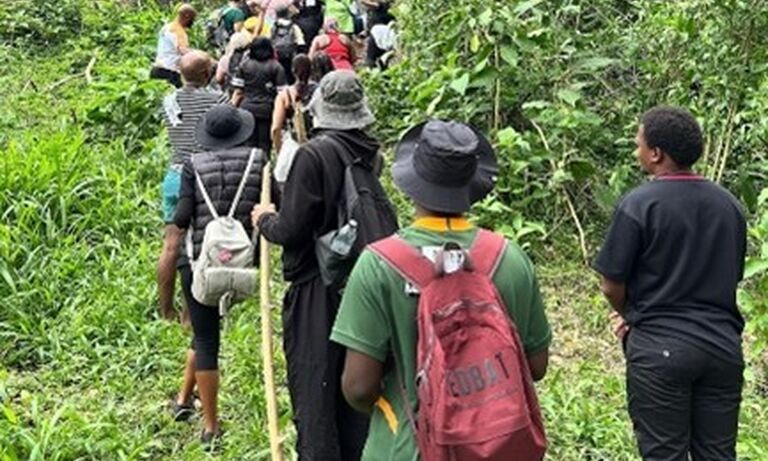
The Hiking with Purpose event marked a positive shift. The initiative was well attended and brought together 66 participants, including children, adults, community members, and representatives from key stakeholder institutions. Through a shared wellness activity, participants accessed GBV prevention education, psychosocial support information, and safe spaces for dialogue on child protection and family‑based prevention. The strong turnout reflected growing community interest in integrated, participatory approaches to wellbeing and violence prevention.
Men and boys played a visible role throughout the event, leading the wellness walk as allies in GBV prevention. Their active participation reinforced messages around positive masculinities, shared responsibility, and community‑led solutions to violence. By positioning men not as bystanders but as partners in prevention, the initiative helped challenge harmful norms and demonstrated alternative models of leadership and care.
The change did not happen by chance. It was the result of a well‑planned, inclusive intervention that deliberately brought together diverse actors. Stakeholders such as the Department of Social Development, Department of Health, the National Prosecuting Authority, Government Communication and Information Systems, SAPS, Nikithemba NPO, and other civil society organisations used the platform to showcase their services and reflect on the work they do to support survivors of violence throughout the year—365 days of response, prevention, and care.
This collaboration strengthened networks and referral pathways, enabling a more coordinated community response to GBV and child protection concerns. Participants were not only recipients of information but active contributors to discussions on how families and communities can better protect women and children and promote wellbeing.
The event also supported Incema’s organisational sustainability. Through ticket sales, the programme raised R3,571.30, contributing directly to the continuation of psychosocial support and GBV prevention services. This fundraising component demonstrated how community‑based initiatives can generate resources while simultaneously delivering impact, reinforcing the organisation’s ability to sustain and expand its work.
Evidence of change was clear. Beyond attendance numbers and funds raised, participants reported meaningful benefits from the wellness activities, education sessions, and dialogue spaces. Stakeholder organisations noted strengthened collaboration and increased visibility of their services within the community. The active involvement of men and boys highlighted a growing shift towards positive masculinities and collective approaches to ending violence.
Mr Dlamini from Government Communication and Information Systems praised the programme for promoting community wellness and GBV prevention education. He recommended that the initiative be held annually, with an even stronger focus on children and families, recognising the value of activities like Hiking with Purpose in strengthening family‑based prevention and community engagement.
A local business owner, Mr Hlophe, who supported and attended the event, echoed this sentiment. He expressed enthusiasm about the initiative’s impact and shared his desire to see similar activities introduced in his own community, so that more families could benefit from wellness‑centred GBV prevention support.
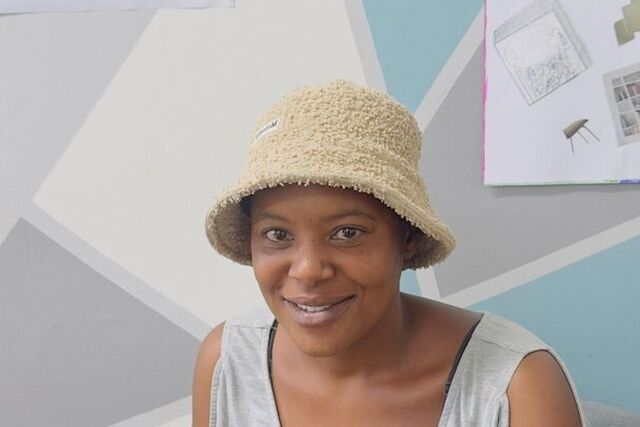
For first‑time participants, the experience was equally impactful. Nokwanda Mkhize described the programme as well organised and informative, noting that she learned a great deal and was eager to be involved in future Incema activities. Her experience reflects the programme’s ability to reach new community members and inspire continued engagement.
Looking ahead, Incema plans to sustain and scale the positive change generated by Hiking with Purpose. Continued community engagement strengthened stakeholder collaboration, and the integration of the initiative into ongoing psychosocial and GBV prevention programming will form the foundation for future work. Fundraising mechanisms such as ticket sales will continue to support service delivery, while partnerships built during the event will expand referral networks and coordinated responses.
With strong community support and stakeholder recommendations to host the initiative annually—particularly with increased focus on children and families—Hiking with Purpose offers a replicable model for community‑led prevention. By combining wellness, awareness, and collective responsibility, the initiative demonstrates how meaningful change can begin when communities move together, with purpose, towards safer and more equitable futures.
Comments
Related Stories Of Change