South Africa: From trauma to inclusive community leadership

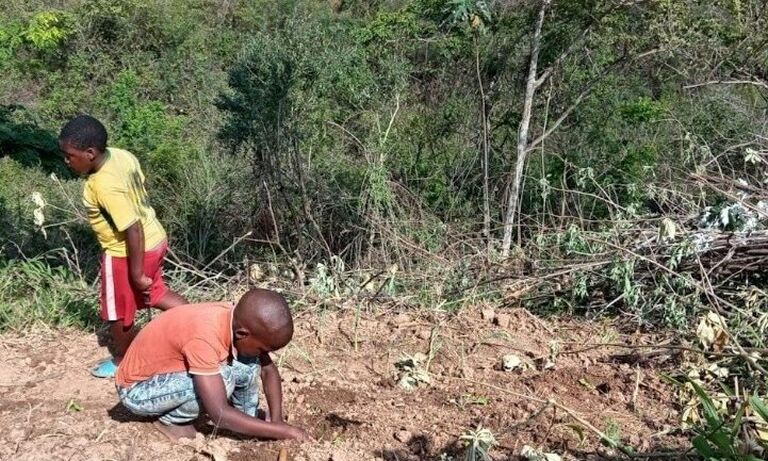
Silindile Makhanya is a mother of two daughters and a committed community mentor. Before her life changed, she was already known in her community for leading a youth initiative that guided boys and taught them agricultural skills to promote food security. Yet behind this public role, Silindile was living with deep personal pain. She was experiencing abuse in her marriage and carrying unresolved childhood trauma linked to separation from her mother. These experiences affected her emotional wellbeing and strained her relationships at home.
Her situation became even more distressing when her older daughter was labelled a slow learner at school and expected to fail Grade 7. Recommendations were made for her to attend a special or vocational school. Silindile feared this meant her child had a severe intellectual disability. The possibility of educational exclusion left her feeling overwhelmed, helpless and uncertain about her daughter’s future.
When Silindile first approached the organisation, her primary concern was domestic abuse. Through counselling and psychosocial support, it became clear that her experiences of violence were compounded by unresolved trauma from her childhood. This deeper work allowed Silindile to confront emotional wounds she had carried for many years. Healing and forgiveness became a turning point, helping her rebuild trust and strengthen her relationships with her daughters.
As Silindile began to heal, she also started to rethink her approach to community work. Where her earlier initiatives focused mainly on boys, she began including girls and women, recognising the importance of inclusive leadership and shared empowerment. She was referred to FAMSA, where she received professional social work support to address the abuse and its long‑term effects on her life and family.
Silindile later returned to the organisation seeking help for her daughter’s education. With support, she engaged the Department of Education and worked with the District Special Needs Manager. Rather than immediately placing her daughter in a special or vocational school, she was advised to allow her to repeat Grade 7 until she reached the appropriate age. This guidance provided relief and clarity at a moment when Silindile had felt powerless.
During the repeat year, her daughter’s confidence, creativity and academic performance improved significantly. The child remained in mainstream education, and the progress she made challenged earlier assumptions about her abilities. Today, she attends a mainstream high school and regularly receives academic awards, reflecting both her growth and the impact of appropriate educational support.
Alongside her daughter’s progress, Silindile’s own life changed in fundamental ways. She safely exited the abusive marriage and reports improved emotional wellbeing. With counselling, trauma healing and continued follow‑up, she regained confidence and stability. She relocated and re‑established her community work in a new area, this time intentionally including women in gardening and empowerment activities. Her leadership now reflects her lived experience of healing, inclusion and resilience.
The most significant change is Silindile’s transformation from a survivor of abuse and exclusion into a confident, inclusive community leader. Her journey demonstrates how addressing trauma at both personal and family levels can restore relationships, strengthen parenting and open pathways for children to thrive academically and emotionally.
Evidence of this change is clear. Records confirm that Silindile accessed psychosocial counselling and was referred to FAMSA for social work support. Communication with the Department of Education verified the guidance provided regarding her daughter’s schooling. The child’s enrolment in a mainstream high school, combined with regular academic awards and positive feedback, demonstrates sustained improvement. Silindile’s renewed community activities, which now include women and youth, further show her regained sense of purpose and leadership.
Sustaining this change will require continued psychosocial support and periodic follow‑up with both Silindile and her daughter. Ongoing collaboration with service providers such as FAMSA and the Department of Education will help maintain stability and prevent setbacks. Silindile’s inclusive gardening and mentorship initiatives also play a critical role in reinforcing healing, peer support and resilience within her community.
Silindile’s family also bears witness to this change. One of her daughters expressed gratitude, saying:
“Thank you mum for being a parent in difficult times that sometimes come my way.”
Another message reflects the strengthened bond and commitment within the family:
“Yes Mum, in some issues we do need to make a decision and just stay in prayer. As it is now I am in a taxi to Durban to check on Awande. I will return on Sunday afternoon so that she will know that I love her.”
Silindile herself shared an update that reflects stability and progress:
“I am fresh, we are all alright and Awande got a good pass at Magcino School. We are still keeping our sessions with Gugu from FAMSA.”
Comments
Related Stories Of Change