South Africa: From healing to action- women inspired by a GBV and mental health campaign to lead community change

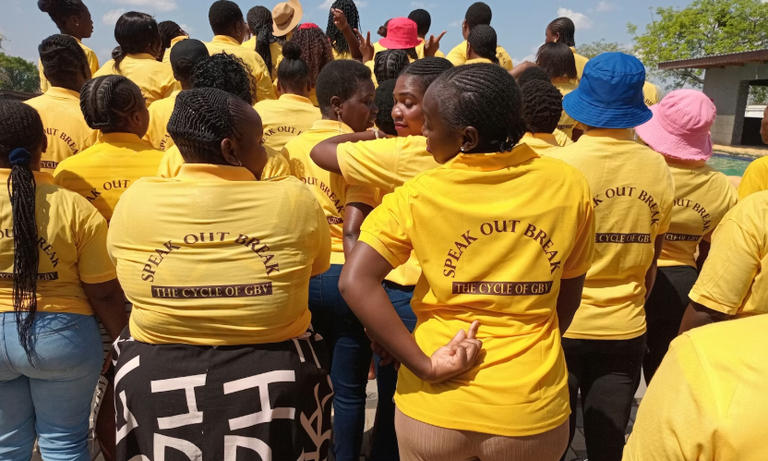
In Xithlelani village, a rural community within the Collins Chabane Local Municipality in Limpopo Province, many women have lived with the combined realities of unemployment, gender-based violence (GBV), and limited access to support services. Before the intervention, most had either experienced or witnessed GBV, yet few had opportunities to participate in organized advocacy, development initiatives, or leadership spaces.
The community faced high levels of GBV, reinforced by silence, stigma, and harmful gender norms that discouraged reporting and help seeking. Psychosocial support and GBV response services were limited, leaving many survivors emotionally distressed and isolated. Economic dependency further increased vulnerability, forcing women to tolerate abusive relationships despite possessing skills, ideas, and aspirations they could not activate.
Social Welfare in Tech works in rural communities to break cycles of GBV by raising awareness, promoting gender equality, strengthening mental health support, and engaging traditional, faith based, and community leaders as first responders. During Mental Health Awareness Month, the organization brought together women from four villages within the Collins Chabane municipality for GBV and psychosocial awareness activities. These sessions created safe and inclusive spaces for dialogue, healing, and reflection.
While women from all four villages participated, the group from Xithlelani village demonstrated a unique response. Beyond awareness and healing, they showed how the intervention helped them tap into their potential. Despite trauma and marginalization, they moved from reflection to action, organizing themselves to initiate women led, community‑driven solutions aimed at economic independence and long‑term resilience.
The intervention addressed several interconnected challenges, including underreporting of GBV, limited mental health support for survivors, harmful gender norms and stereotypes, low community ownership of GBV prevention, and weak coordination between communities and local support services. Central to the approach was encouraging women to become self-reliant and to see themselves as active participants in shaping their lives and communities.
The project focused on increasing awareness of GBV and its link to mental health, empowering women with knowledge, confidence, and agency, motivating them to develop themselves using existing skills, promoting gender equality and inclusive participation, encouraging community led GBV prevention initiatives, and strengthening local response systems by positioning survivors and community leaders as advocates. Together, these objectives laid the foundation for a clear shift from vulnerability and silence towards leadership and collective action.
Following the intervention, women moved from economic dependency and silence to confidence and leadership by taking steps to initiate a community farming project. This shift marked a significant change. Economic independence emerged as a pathway out of vulnerability, closely linked to mental wellbeing, dignity, and freedom from abuse. Through this process, women strengthened their sense of agency and participation in decision‑making.
The change benefited women directly through increased confidence, access to information, and steps towards sustainable livelihoods. Their families are expected to benefit from improved income security and reduced vulnerability, while the wider community stands to gain from women‑led development initiatives that promote self-reliance and local food production.
This transformation emerged after women participated in Social Welfare In Tech’s GBV, mental health, and economic empowerment engagements. Through awareness sessions and follow‑up support, women began to understand the connection between financial independence, mental wellbeing, and freedom from abuse. Social Welfare In Tech provides guidance on practical steps, including how to approach the Community Development section for funding opportunities and how to engage traditional leadership to secure land.
With mentorship and guidance, ideas were transformed into action. The women collectively identified farming as a sustainable income generating initiative and committed to pursuing it together. For the first time, they felt supported to believe that they could initiate a project and advocate for themselves within formal systems.
A significant milestone came when the women approached the local Induna to seek permission, guidance, and community endorsement for the farming project. This step represented a major shift from hesitation and dependency to proactive engagement with development structures. Previously viewed as impossible, engaging traditional leadership demonstrated growing confidence, leadership, and understanding of community governance.
The evidence of change is clear and tangible. The women are now organized, informed, and actively engaged in establishing their farming project. They independently created a WhatsApp group to coordinate efforts, share information, and motivate one another, reflecting a move from individual survival to collective empowerment and economic action.
They intentionally included the Social Welfare in Tech Program Manager and Admin Officer in the group, demonstrating trust in the organization and proactive engagement with support systems. Ongoing communication, regular check‑ins, and follow-ups on registration processes, compliance requirements, and project planning provide concrete proof of sustained motivation and ownership.
Participant reflections reinforce this change. Women described the sessions as spaces that offered emotional support, information, and the strength to move forward. They expressed gratitude for healing and guidance that helped them recognize their potential and commit to developing themselves. One participant reflected that for the first time, her voice, emotions, and mental wellbeing were truly heard and valued.
Sustainability lies in strong ownership by the women themselves, supported by continued technical, administrative, and mentorship support from Social Welfare in Tech. Internal coordination through the WhatsApp platform, combined with links to traditional leadership and community structures, strengthens the foundation for long-term impact.
As the farming project progresses, it is expected to serve as a demonstration model for other women in the community, showing how empowerment can translate into sustainable livelihoods and reduced vulnerability to GBV. From healing to action, the women of Xithlelani village are no longer waiting for solutions. They are creating them.
Comments
Related Stories Of Change