South Africa: Building safe spaces through the GBV warrior network

When Thuto Setlogelo first encountered the work of the 1000 Women Trust, she was inspired by the organisation's commitment to empowering women at grassroots level. As Deputy Director of Risk Management at the Free State Department of Cooperative Governance and Traditional Affairs, she understood that policies and legislation are essential tools in the fight against gender-based violence (GBV). However, she also recognised a critical gap: many women experiencing violence did not have immediate access to trusted support, safe spaces, or reliable information within their communities.
For Thuto, the challenge extended beyond raising awareness about GBV. Communities needed practical, accessible support systems that could respond quickly when survivors needed help. While many people understood that gender-based violence was a serious problem, fewer knew how to intervene, where to seek assistance, or how to support survivors in a way that prioritised their safety and dignity.
These concerns led Thuto to become involved with the 1000 Women Trust's GBV Warrior Network, a programme designed to equip community members with the skills, knowledge and confidence to respond to violence and advocate for safer communities. Through training, mentorship and community engagement, the programme empowers women to become local leaders and trusted first responders for those affected by GBV.
Reflecting on her journey, Thuto says that the organisation's grassroots approach immediately resonated with her.
"I got attracted to the GBV Warriors and Project Orange through the way 1000 Women Trust capacitated women at grassroots level."
Through the programme, Thuto gained a deeper understanding of survivor-centred support and the importance of community-based responses to violence. Exposure to the National Strategic Plan on GBVF, trauma support training and practical community mobilisation tools strengthened her ability to engage meaningfully with survivors and advocate for safer environments.
Her involvement also introduced her to Project Orange, an initiative focused on creating safe spaces within communities where women affected by GBV can seek support and access information. Seeing how local volunteers could serve as trusted first points of contact reinforced her belief that sustainable change begins within communities themselves.
The transformation was not only personal. As Thuto became more active in advocacy and awareness initiatives, she observed growing interest from leaders and institutions within her community. Discussions about creating safe spaces and strengthening responses to GBV began attracting attention from influential stakeholders, demonstrating the broader potential of the model.
According to Thuto, the concept of GBV Warriors has generated significant interest among local decision-makers.
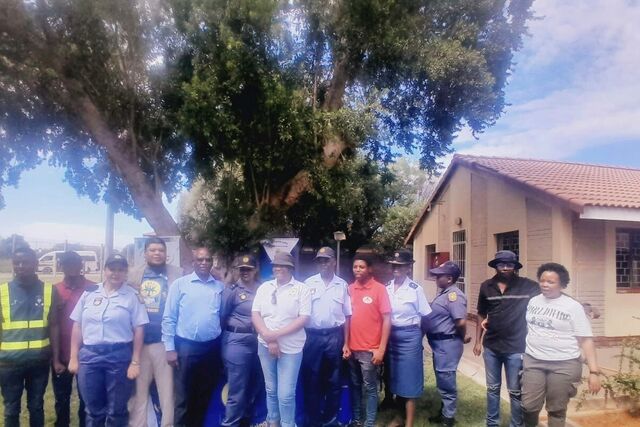
"The concept of GBV Warriors introduced by 1000 Women Trust has had magistrates, executive mayors and community police force members in awe and wanting to come on board as GBV Warriors."
This growing support is an important indicator of change. Community leaders increasingly recognise that ending gender-based violence requires collective action and that local support structures can play a vital role in protecting women and girls. By engaging stakeholders across sectors, the GBV Warrior Network helps create stronger referral pathways, build awareness and encourage communities to take ownership of solutions.
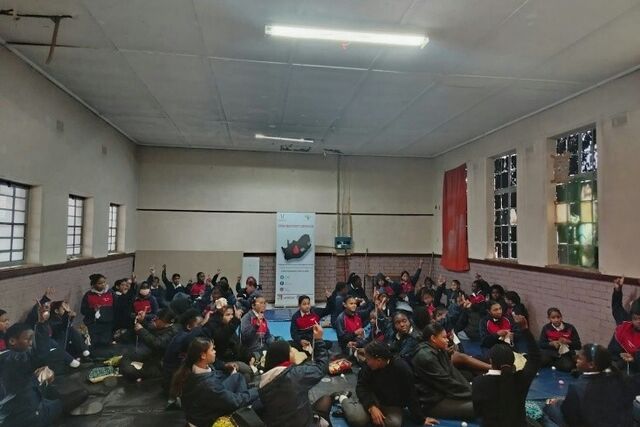
Evidence of the programme's impact can be seen in Thuto's continued work as a GBV Warrior, the expansion of conversations about survivor support and the use of training materials to educate community members about GBV and bullying. The model has encouraged greater collaboration between community members, local leaders and organisations working to address violence and inequality.
At the centre of Thuto's advocacy is a simple but powerful vision: every community should have safe spaces where survivors are believed, supported and connected to help.
"We need to create safe spaces for women in the community affected by GBV. And that is exactly what the GBV Warriors of 1000 Women Trust do."
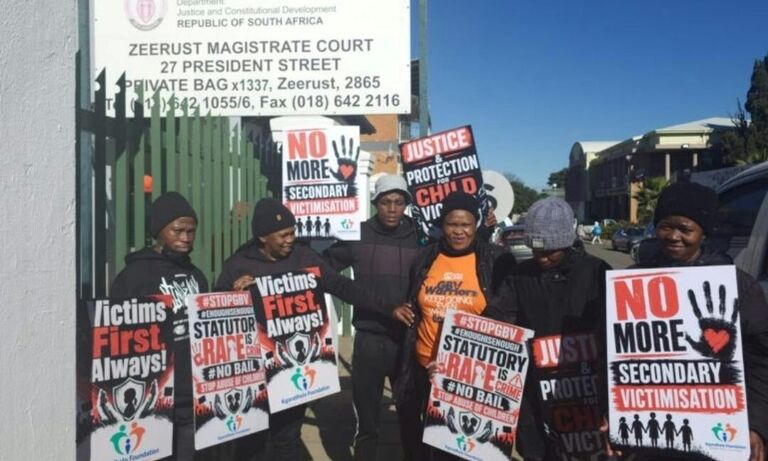
Beyond advocacy, Thuto has participated in community actions that raise awareness of issues affecting women and girls, including campaigns addressing statutory rape and other forms of gender-based violence. These activities have helped bring difficult conversations into public spaces while encouraging communities to challenge harmful norms and promote accountability.
Looking ahead, Thuto believes the success of the programme can be expanded through a structured and sustainable approach. She advocates for the development of a replicable Safe Space Model that communities across South Africa can adopt. Such a model would include training manuals, referral protocols, safeguarding policies and monitoring tools to ensure that support services remain effective and survivor-centred.
She also supports a train-the-trainer approach that would enable regional leaders to mentor local facilitators, who can then train volunteers within their own communities. Combined with digital tools such as WhatsApp support groups, online referrals and awareness campaigns, this approach could significantly expand the reach of GBV prevention and response efforts, particularly in remote areas.
Thuto's story demonstrates how one person's commitment, supported by the right training and network, can contribute to meaningful community change. By moving from concern to action, she has become part of a growing movement of women leaders working to ensure that survivors of violence are not left to navigate their challenges alone.
Her journey highlights an important lesson: while policies and laws remain essential, lasting change happens when communities themselves are empowered to act. Through the GBV Warrior Network, Thuto and many others are helping to build safer, more supportive environments where women and girls can live free from violence and where communities take collective responsibility for protecting their most vulnerable members.
Comments
Related Stories Of Change