South Africa: Bridging the gap between institutions of higher learning and the community

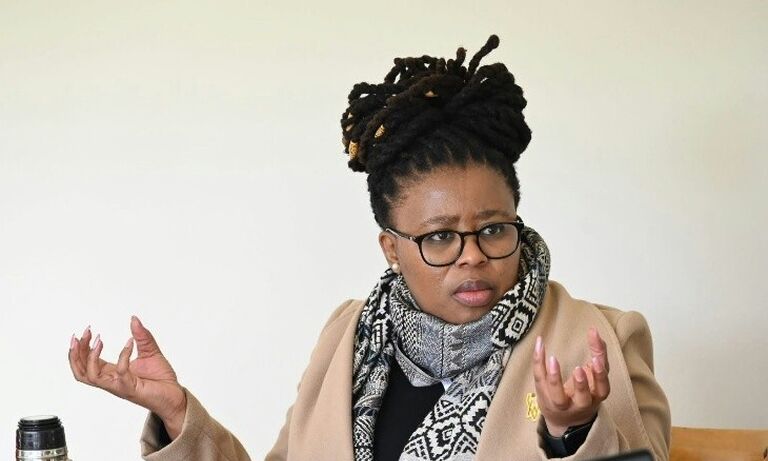
The South African Women in Dialogue (SAWID) recently formalised its partnership with Walter Sisulu University through an immersion experience for participants in the Eastern Cape cohort of the Her Rising Leadership Programme for Girls. The programme aims to equip girls with the confidence, skills and opportunities needed to thrive academically, socially and emotionally while preparing them to become active contributors to their communities.
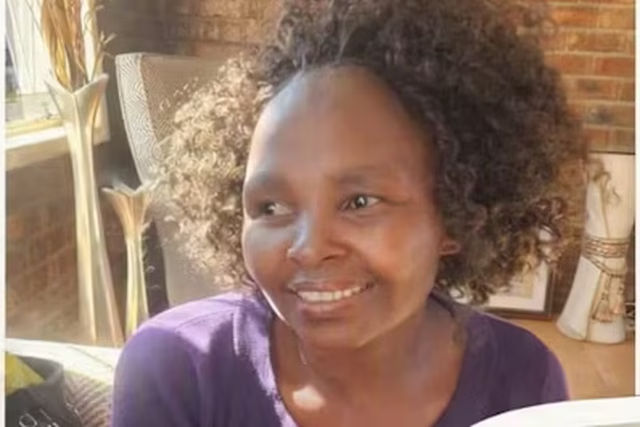
For the young participants from Mdantsane in the Eastern Cape, visiting the Potsdam Campus was more than an educational excursion. It was an opportunity to see themselves reflected in successful women who had overcome challenges similar to their own. One of the strongest examples was Dr Phyllis Kedibone Chembe, whose personal journey embodies resilience, determination and the transformative power of mentorship. Standing before the girls, Dr Chembe shared the story of her path from growing up in the townships of Soweto and Natal Spruit to becoming an academic and earning a PhD. Her journey was not shaped by privilege or easy access to opportunities. Instead, it was built on perseverance, family support, mentorship and the courage to pursue opportunities when they arose.
She explained how a single encouraging remark from a mentor inspired her dream of studying law. That encouragement set her on a path that later included becoming a teaching assistant and eventually receiving an African Union scholarship to pursue doctoral studies in another African country. Each step reinforced her belief that support and mentorship can alter the trajectory of a young person's life.
For the girls participating in the Her Rising Leadership Programme, her story offered tangible proof that their ambitions are achievable. Rather than hearing about success in abstract terms, they encountered someone who had once stood where they stand today and who had gone on to reach the highest levels of academic achievement.
Dr Chembe also highlighted the role Walter Sisulu University plays in connecting higher education with surrounding communities, particularly through programmes that support young women and unemployed graduates. These initiatives demonstrate how universities can become catalysts for social and economic transformation.
Among these programmes is the Walter Sisulu Student Women Economic Empowerment Programme (WS SWEEP), which encourages innovation and entrepreneurship among young women. Through the university's student innovation and entrepreneurship initiatives, students have developed practical solutions to everyday challenges, including reusable menstrual underwear and technology capable of identifying altered expiry dates on food products sold in shops.
The university has also helped unemployed graduates create sustainable livelihoods. Through a partnership with the National Electronic Media Institute of South Africa (NEMISA), graduates have received technical training that has enabled them to establish cell phone repair businesses in rural communities. These initiatives not only create employment opportunities but also contribute to local economic development.
Through her own experience, Dr Chembe illustrated that success is rarely achieved alone. She acknowledged the important role played by mentors, family members and supportive institutions throughout her life, particularly her mother and aunts, whose encouragement helped her navigate challenges and remain focused on her goals.
She believes partnerships between organisations such as SAWID and universities have the potential to create lasting change by exposing girls to higher education opportunities long before they must make decisions about their future.
"By partnering with organisations such as SAWID, we can engage with young girls long before they make decisions about higher education, helping them see themselves as future university students and leaders," said Dr Chembe.
Her message aligned closely with the objectives of the Her Rising Leadership Programme, which seeks to nurture young women who are confident, capable and prepared for leadership. For many participants, the immersion experience provided their first opportunity to engage directly with university lecturers, researchers and students.
The visit also reinforced the broader vision of Walter Sisulu University, described as creating "Flourishing Futures" through meaningful partnerships that support education, innovation and community development.
The impact of Dr Chembe's story extends beyond a single event. Her example provides a living testament to what is possible when young women are given access to mentorship, educational opportunities and supportive networks. It also demonstrates the vital role institutions of higher learning can play in building bridges between campuses and communities.
This change is already being sustained through SAWID's year-long Her Rising Leadership Programme for Girls and the growing collaboration between SAWID and Walter Sisulu University. Plans are underway to deepen this partnership and create more opportunities for young women to access mentorship, academic guidance and leadership development.
Further investment in programmes of this nature would allow SAWID to expand the initiative to other provinces and train unemployed social workers to facilitate future cohorts. Such efforts would strengthen pathways for young women to access education, employment and leadership opportunities across South Africa.
As the girls left the campus, they carried more than memories of a university visit. They left with a clearer vision of their future and a powerful reminder that with mentorship, perseverance and opportunity, extraordinary achievements are possible. As actress and humanitarian Angelina Jolie famously observed, “There is no greater pillar of stability than a strong, free, and educated woman.” For the young women of the Her Rising Leadership Programme, that future is now easier to imagine and within reach.
Comments
Related Stories Of Change