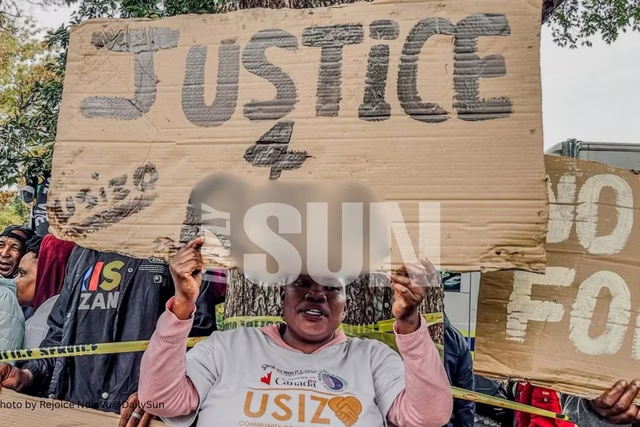
South Africa: Breaking the silence

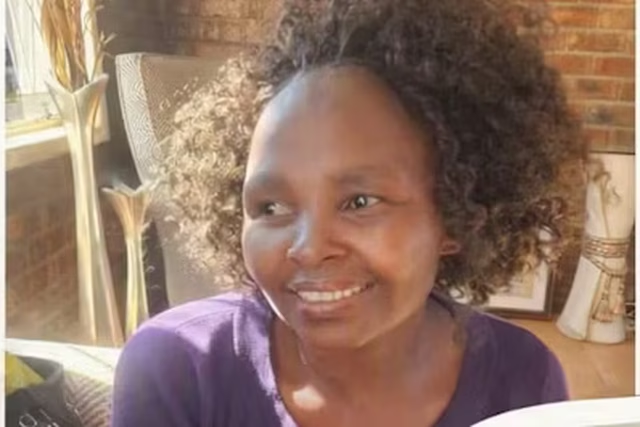
For years, a 54-year-old mother from the Hartswater Bonita Park community lived in fear. Trapped in an abusive relationship, she endured physical violence, emotional trauma and financial hardship while trying to protect her two children, both under the age of 16. Like many survivors of gender-based violence (GBV), she faced the daily challenge of keeping her family safe while carrying the burden of abuse in silence.
Everything changed on 6 February 2026 when she was brutally assaulted by her boyfriend.
The attack left her with visible injuries and in urgent need of medical attention. While the incident was another act of violence in a long history of abuse, it also became the turning point that set her on a path towards safety, justice and recovery.
As part of her role in the community, a GBV caseworker responded immediately, ensuring that she received the support she needed. The survivor was accompanied to hospital, where medical professionals conducted a J88 examination to formally document the abuse. This critical step provided evidence of the violence she had experienced and strengthened her access to legal protection.
From the hospital, she was supported in opening a case with the police. For many survivors, reporting abuse can be one of the most difficult decisions they ever make. Fear of retaliation, financial dependence and concern for children often prevent women from seeking help.
Despite these challenges, she chose to take action.
The support did not stop there. The caseworker assisted her in applying for a protection order and accompanied her to court proceedings, ensuring that she did not have to face the legal process alone. Through these interventions, she began to move from a position of vulnerability to one of empowerment.
Recognising that safety alone would not address the full impact of the abuse, a coordinated package of support was put in place. The survivor was referred to a GBV survivor support programme and connected to a social worker who provided counselling to help her process the trauma. These sessions created a safe space where she could begin rebuilding her confidence, self-worth and emotional wellbeing.
Financial hardship was another major challenge. Living with limited resources and struggling physically, she needed assistance to meet basic needs. Support was provided to update and apply for a disability grant, helping to strengthen her financial security and reduce her dependence on an abusive partner. She also received monthly food assistance and was registered with a Community Development Centre to access ongoing support services.
The impact of the intervention extended beyond the survivor herself. Her children had also been living with the consequences of violence and instability. As their mother's situation improved, they began experiencing greater security and consistency in their daily lives. Knowing that she was receiving protection and support helped create a more stable environment for the family.
Today, the survivor lives in a safe house where she feels secure and protected. She continues to receive counselling and practical support while rebuilding her life. Although the road to recovery is ongoing, she has taken crucial steps towards independence, safety and dignity.
The change is evident not only in the services she has accessed but also in how she now sees her future. Before the intervention, she was living in fear, isolated by abuse and struggling to access support. Today, she has legal protection, documented evidence of the violence she experienced, financial assistance, psychosocial support and a network of people committed to helping her heal.
The intervention's success is supported by clear evidence. A police case was opened, a J88 medical examination completed, a protection order secured and counselling sessions initiated. Financial support was accessed through a disability grant, and ongoing assistance continues through community-based programmes. The survivor's own testimony offers perhaps the strongest evidence of all.
"For the first time, I feel heard, protected, and hopeful about my future," says Maria Khumalo.
Her social worker, Lerato Maseko, reflects on her progress:"Recovery is not easy, but she is stronger every day."
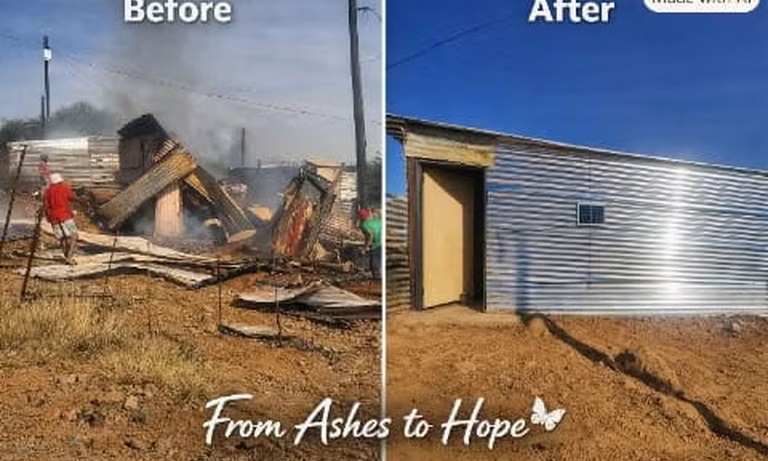
The story also highlights the importance of coordinated community responses. When the survivor later experienced another setback after her shack was destroyed by fire, support once again came from multiple partners. Emergency relief in the form of food parcels, clothing and a bed was provided, while the municipality assisted with rebuilding her shelter. Additional support helped her replace important documents and access necessary services.
Looking ahead, her recovery will continue through counselling, financial support, enforcement of her protection order and secure housing arrangements. Plans are also in place to provide ongoing psychosocial support for her children and strengthen partnerships that can extend similar assistance to other survivors.
This story is about more than one woman's experience. It demonstrates what becomes possible when survivors are met with compassion, practical support and access to justice. By breaking the silence and seeking help, this mother not only changed the course of her own life but created a safer future for her children. Her journey shows that while gender-based violence can rob people of security and dignity, timely intervention, coordinated care and community support can help restore hope, protection and the opportunity for a new beginning.
"For the first time, I feel heard, protected, and hopeful about my future."
- Maria Khumalo
Comments
Related Stories Of Change