South Africa: Breaking the silence

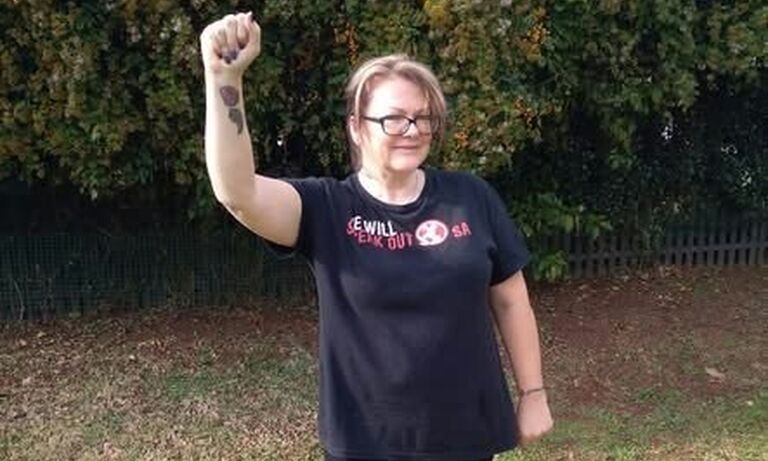
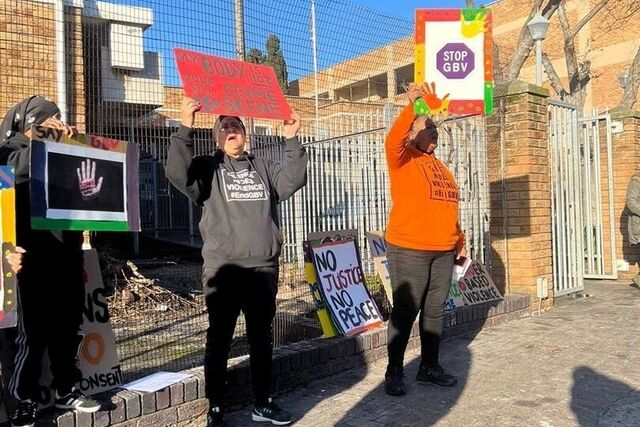
A survivor of abuse and a single mother who raised three boys independently, Harper had become accustomed to keeping her experiences hidden. The trauma she endured affected every aspect of her life. Living with bipolar disorder, she found that the impact of abuse intensified her mental health struggles. Although she worked tirelessly to support survivors, she rarely spoke about her own journey. Everything changed through her involvement with the Women's Wellbeing and Social Organisation South Africa (WWSOSA) and the Faith Action Collective to End GBV. Through years of participation in these initiatives, she found herself surrounded by people committed to creating safe spaces for honest conversations about gender justice, healing, faith, and violence.
One of the most significant moments in her journey came when she learned about spiritual abuse and recognised that she, too, was a survivor. The Faith Action Collective's focus on faith responses to GBV helped her identify experiences she had never before understood or named. This realisation became a turning point in her healing. "Working with and for WWSOSA and the Faith Action Collective finally gave me the courage to break my silence," Harper explains.
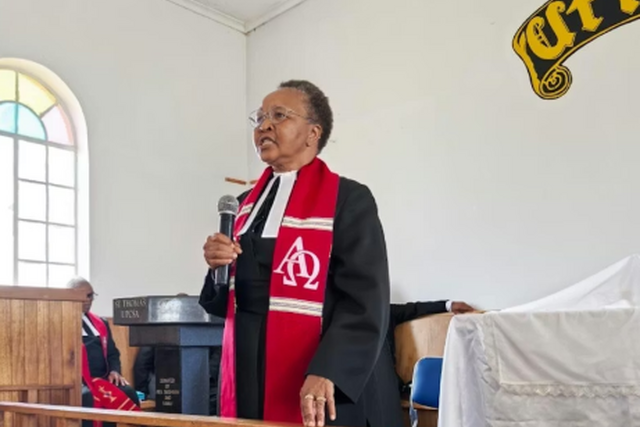
What began as a personal journey soon evolved into a public commitment to sharing her story. She spoke during a WWSOSA Lunchtime Conversation, addressed faith leaders participating in the Faith Leaders Gender Transformation Programme, shared her experiences at a corporate event, and contributed to discussions at a COGTA meeting focusing on survivors, sacred spaces, and the CRL Commission.
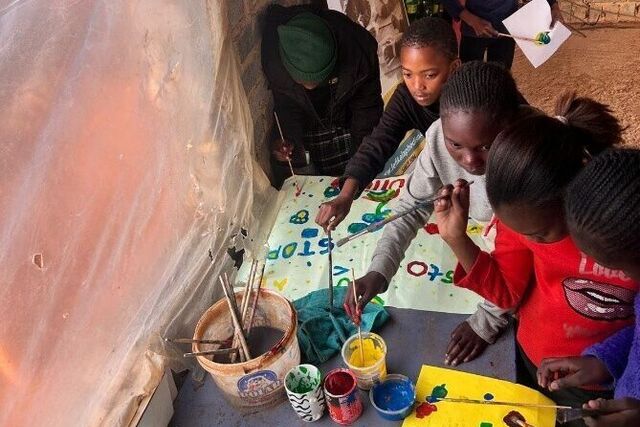
Beyond these platforms, Harper has continued to speak in churches, community events, and through a non-profit organisation she founded to promote positive masculinity among young people, particularly learners affected by gang culture. The impact has extended far beyond her own healing. By speaking openly about GBV, mental health, and spiritual abuse, Harper has helped others better understand the realities faced by many survivors. Her willingness to share her experiences in a raw and honest way has allowed audiences to connect with issues that are often misunderstood, ignored, or surrounded by stigma.
The change, she says, has been overwhelmingly positive.
"I have gained strength and healing from speaking out and sharing my story," she reflects. "In vulnerability there is strength."
Evidence of this transformation can be seen both within and beyond the organisations she works with. Her church community has become increasingly aware of the links between GBV, mental health, and spiritual abuse, leading to greater discussion and community outreach on these issues. Through her non-profit organisation, young people are exploring alternatives to gang involvement, with many stepping into leadership roles within their schools and communities. Her story has also strengthened the work of WWSOSA and the Faith Action Collective by putting a human face to issues that are often discussed only in statistics and reports.
Those who have witnessed Harper's journey describe it as both inspiring and transformative.
Merrishia Singh-Naicker, who has worked alongside Harper within the Faith Action Collective and WWSOSA, says she has observed remarkable growth over the years.
"As someone who has worked with Gil over the years, I have had the amazing experience of witnessing her personal transformation as a survivor and activist," she says. "Her courage, clarity, and expertise have helped faith leaders better understand the urgent need to foster safer churches and take meaningful action against gender-based violence."
Daniel Seiti, who has co-facilitated youth workshops with Harper, says her openness has influenced his own development as a gender justice advocate.
"I have learnt so much about GBV and mental health from working alongside her," he says. "I have been motivated to step up as a young man to be an active bystander, tackle toxic masculinity, and facilitate positive masculinity workshops."
International educator Oyven has also seen the difference Harper's story makes in educational spaces. He notes that sharing her lived experience has deepened participants' understanding of the realities facing women and young people in South Africa. By speaking openly about her own experiences, Harper has helped create opportunities for others to reflect, learn, and heal. Her story demonstrates the power of survivor voices in breaking stigma and challenging silence around GBV, mental health, and spiritual abuse.
Today, Harper continues to contribute to WWSOSA and the Faith Action Collective through facilitating Lunchtime Conversations, leading discussions during monthly forums, and supporting advocacy efforts. The confidence she gained through sharing her story has also enabled her to develop training materials on positive youth masculinity and mentor facilitators who can continue this work within their own communities. For Harper, breaking the silence was not only about telling her story. It was about creating space for others to tell theirs too.
As WWSOSA and the Faith Action Collective continue to promote dialogue on GBV, mental health, and spiritual abuse, her journey serves as a reminder that healing often begins when silence is replaced by courage, conversation, and community support. Through her voice, others are finding the strength to confront their own experiences, seek healing, and become part of the growing movement for justice, dignity, and transformation.
Comments
Related Stories Of Change