South Africa: Being LGBTIQ+ does not affect the mentality or skills of a human being

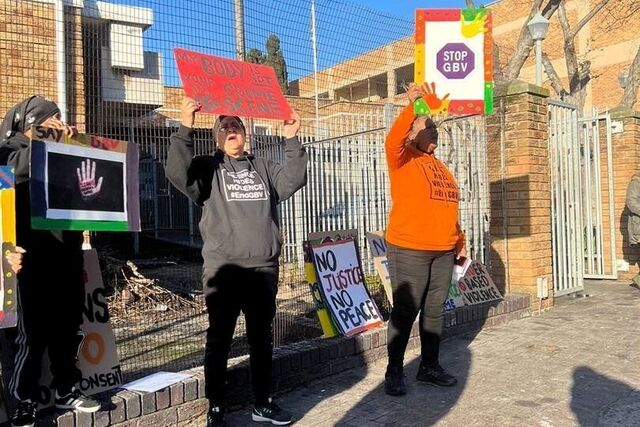
In many rural communities across Limpopo Province, conversations about sexual orientation and gender identity have long been avoided or silenced. Lesbian, gay, bisexual, transgender, intersex and queer (LGBTIQ+) identities are often described as “un‑African,” foreign, or even demonic believed to be trends imported from big cities rather than part of African life. These perceptions have not only marginalised LGBTIQ+ people but have also placed them at increased risk of discrimination, exclusion, and gender‑based violence.
Yet the reality is different. LGBTIQ+ people have always existed within African communities. In earlier generations, they lived quietly, deeply rooted in culture, often concealing their identities for safety. Today’s generation is more visible and vocal, expressing themselves openly—and that visibility, while empowering, has also triggered fear and misunderstanding.
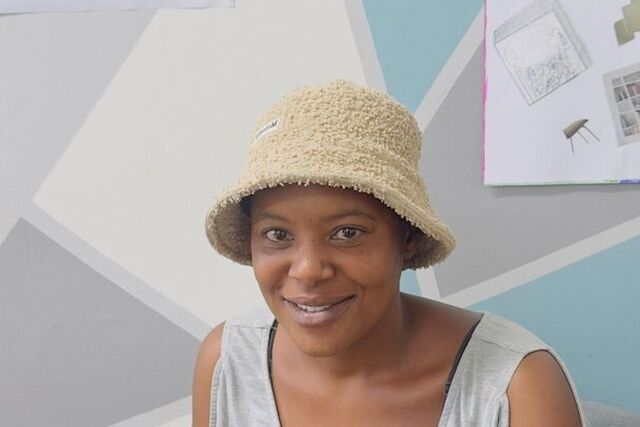
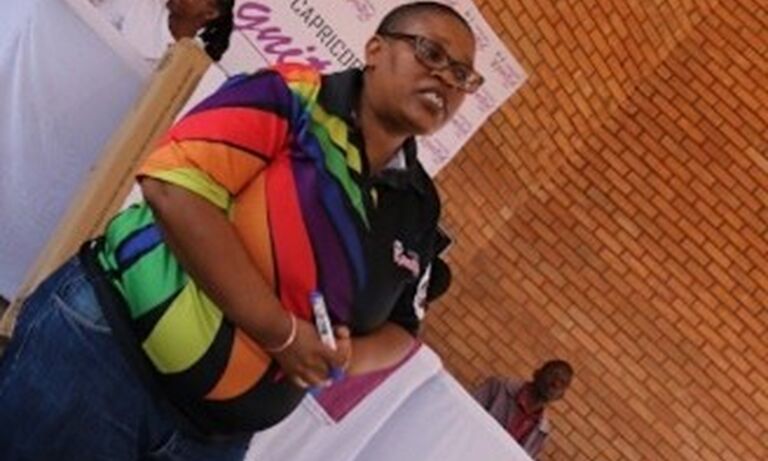
Maburwana Lebo Monama, an activist based in Limpopo, recognised that this fear largely stems from a lack of understanding. As a human rights advocate involved in community and government processes, she saw how violence and exclusion thrive where knowledge, patience and empathy are absent. Rather than responding to hostility with confrontation, she chose a different path: education, inclusion and visible participation.
Lebo leads and contributes to several initiatives in the province, including Capricorn Ignited LGBTI (CIL), Flower Admire Organisation for All (FAOFA), Dingaka Madupe Herbal Associates, and Maburwana Projects. Across these platforms, her work centres on social activism, youth development, traditional health practitioners’ rights, and community upliftment—placing LGBTIQ+ people firmly within the broader struggles and solutions of society.
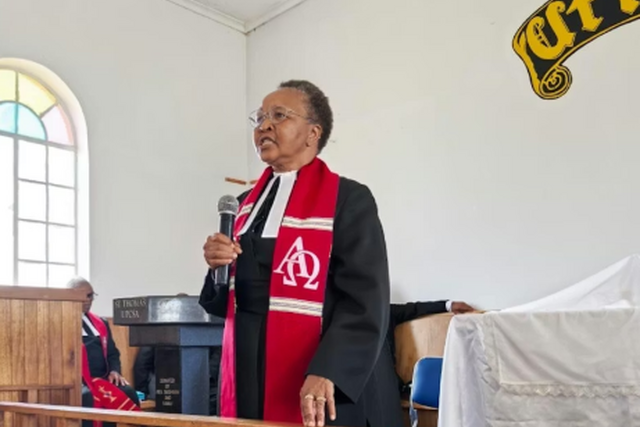
One of the most significant shifts in her approach has been moving LGBTIQ+ advocacy beyond issues of sexuality alone. Instead of positioning LGBTIQ+ people as separate or isolated, her programmes actively encourage participation in everyday community life. Members take part in school campaigns, community safety searches, spiritual gatherings, community imbizos, and engagements with government stakeholders. This visibility challenges long‑held stereotypes by showing that being LGBTIQ+ does not limit a person’s skills, values, or contribution to society.
At the heart of the work is education. Many community members simply do not understand what it means to be LGBTIQ+. Through structured community dialogues and awareness programmes, Lebo and her colleagues explain basic concepts of biology, anatomy, and behavioural diversity. The aim is not to force acceptance, but to build understanding—because understanding makes compassion possible.
As Lebo often emphasises, this work is not about convincing people to change who they are. It is about helping them recognise the humanity of others. When people begin to understand that gender diversity is part of human diversity, conversations shift. Fear lessens. Dialogue opens. And violence becomes easier to challenge.
Over time, the impact has become visible. LGBTIQ+ people in Limpopo are increasingly engaging in professional and community spaces with confidence. Some have registered businesses, formed local support groups, become service providers, and built livelihoods that are recognised by both government and private stakeholders. Others have emerged as local influencers, brand ambassadors, and community leaders.
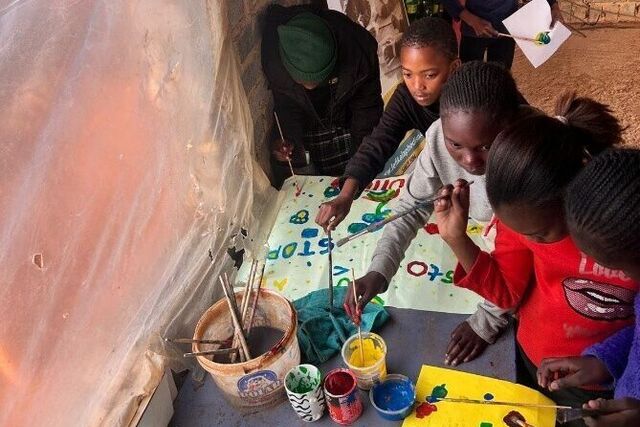
Youth development has become a key entry point for this change. Skills‑to‑succeed programmes support young people to build financial and organisational skills, while intergenerational initiatives—such as annual Elderly Fun Days—create spaces for respect, learning and shared community pride. These efforts demonstrate that inclusion strengthens communities rather than divides them.
Schools have also begun to respond. More educators are recognising LGBTIQ+ learners and reaching out for sensitisation support on how to create safer, more inclusive learning environments. These requests signal a growing willingness to engage rather than ignore or punish difference. Local government has taken note as well. During community dialogues on gender‑based violence, municipal representatives have acknowledged the specific risks faced by LGBTIQ+ people and the value of their involvement in prevention efforts. As one municipal stakeholder noted, partnerships with the LGBTIQ+ community have brought critical insights into the diverse forms of violence experienced across the community, strengthening collective action towards safer spaces for all.
For those directly involved, the change is deeply personal. Young activists have gained confidence and practical skills, learning how organisations function and how funding processes work. Community members increasingly request collaboration, asking for programmes to be expanded into more villages—an indication of trust and acceptance slowly taking root.
Sustainability remains central to the vision. The movement continues to mobilise resources to ensure that young advocates are trained and supported to lead in the future. The goal is continuity—so that LGBTIQ+ advocacy does not depend on one individual but becomes embedded in community structures over time.
Change in deeply held beliefs does not happen overnight. But in Limpopo, a shift is underway. Through patience, education, and visibility, communities are beginning to see what has always been true: being LGBTIQ+ does not affect a person’s mentality, values or skills. It does not diminish culture or community. Instead, when inclusion is embraced, everyone stands to gain.
Comments
Related Stories Of Change