South Africa : Advancing sexual and reproductive health and rights for young people

Youth Action Health is a youth‑led organisation based in the Capricorn District, Polokwane Municipality, in Limpopo, South Africa. The organisation works with adolescents and young people to advance sexual and reproductive health and rights (SRHR), prevent gender‑based violence (GBV), and promote youth empowerment through education, advocacy, peer‑led interventions and community mobilisation. Its work focuses primarily on learners in under‑resourced schools and communities, where access to accurate information and youth‑friendly services is often limited.
Before the intervention, many adolescents and young people in the Capricorn District faced significant barriers to making informed decisions about their sexual and reproductive health. Accurate SRHR information was not always accessible, referral pathways to services were weak, and harmful social norms related to gender, sexuality and power persisted. In many schools, conversations about SRHR and GBV were constrained by stigma, misinformation and discomfort. Where programmes did exist, they were often short‑term and externally driven, leaving schools dependent on outside organisations for support.
As a result, learners had few sustained, safe spaces to discuss SRHR openly, ask questions or seek guidance without fear of judgement. This limited their ability to make informed choices about their bodies, relationships and rights. It also meant that schools lacked internal capacity to continue SRHR education once external projects ended.
In response to these challenges, Youth Action Health adopted a movement‑building approach rather than a once‑off awareness model. The organisation focused on strengthening school‑based advocacy structures that could be sustained over time and led by young people themselves. At the centre of this approach was the belief that adolescents are not just recipients of information, but active drivers of change within their own communities.
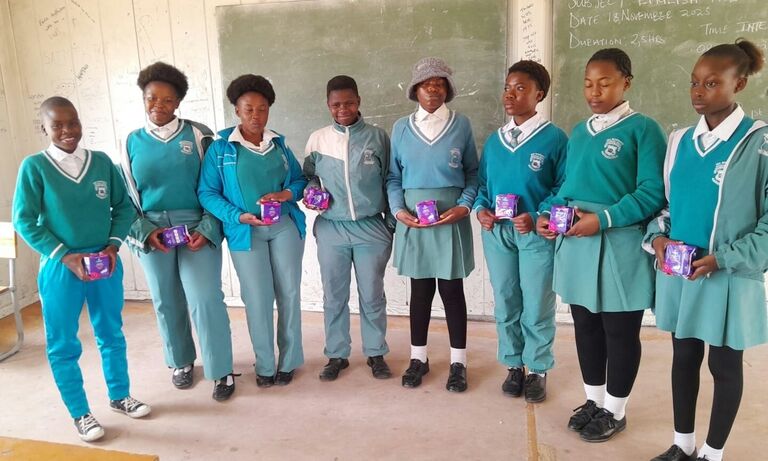
Through the project, Youth Action Health trained 10 SRHR advocates at M.E. Makgato High School. These learners were capacitated with knowledge on sexual and reproductive health and rights, gender equality and GBV prevention, alongside practical skills in facilitation, peer education and referral. The organisation worked closely with learner support agents to ensure that advocacy structures were embedded within the school and that continuity and ownership were strengthened.
This intentional investment in young advocates marked a shift from short‑term programming to sustained, youth‑led movement building. By building a core group of trained learners within the school, Youth Action Health aimed to create an internal network that could continue SRHR awareness, peer support and rights‑based dialogue beyond the project funding period.
The change brought about by this approach has been clear and positive. M.E. Makgato High School now has an active, school‑based group of SRHR advocates who lead peer education and create safe spaces for discussion. Adolescents and young people benefit from improved access to accurate information, peer support and stigma‑free dialogue within their own school environment. Trained advocates have gained confidence, leadership and advocacy skills, while the school has strengthened its internal capacity to sustain SRHR and GBV prevention efforts without relying solely on external organisations.
Before the intervention, SRHR discussions were irregular and often externally facilitated. Today, learners themselves lead ongoing conversations, ensuring continuity, relevance and local ownership. This shift has helped normalise discussions about SRHR and rights, making it easier for learners to seek information, support and referrals when needed.
Evidence of this change can be seen in the successful training of the 10 SRHR advocates and the regular peer‑led activities taking place at the school. Feedback from learners and school stakeholders indicates increased confidence among youth advocates to facilitate discussions, challenge misinformation and guide peers to appropriate support services. The continued functioning of the advocacy group beyond the initial training phase demonstrates sustainability, collective agency and strengthened ownership within the school community.
Looking ahead, Youth Action Health plans to sustain and expand this work by continuing to support trained advocates as they lead peer education in their schools and communities. By maintaining safe spaces for dialogue, strengthening referral pathways and reducing stigma around SRHR, these youth leaders will continue embedding positive practices locally. The organisation also plans to replicate the peer‑support model in additional schools and develop mentorship and follow‑up mechanisms to ensure ongoing guidance and impact.
Lessons learned during the reporting period highlight the importance of strong organisational systems, long‑term financial sustainability and adaptive programming. Youth Action Health has recognised the value of investing in internal structures that support sustained impact, while also remaining responsive to interconnected challenges affecting young people, including climate change, alongside its core focus on SRHR and GBV.
This story demonstrates that when young people are equipped with knowledge, skills and trust, they can move from information to choice. By building youth‑led movements within schools, Youth Action Health is helping adolescents claim their sexual and reproductive health rights, challenge harmful norms and become confident advocates for change in their own communities.
One of the trained advocates, Natasha Manyekere, reflected on her growth, saying:
“I can now guide my peers to the right support and reduce stigma around SRHR in our school.”
Another advocate shared how the training changed the way learners engage with one another:
“I’ve learned how to create safe spaces where other learners can talk about their sexual and reproductive health without fear.”
A third youth advocate highlighted the practical value of the skills gained:
“The training taught me how to listen, refer, and support other learners regarding their sexual and reproductive health rights.”
These voices show how the intervention has strengthened not only knowledge, but also empathy, leadership and peer accountability among young people.
Comments
Related Stories Of Change