South Africa: A young man healing through artivism

Emotional expression is often discouraged, and vulnerability is mistaken for weakness. Conversations about gender‑based violence (GBV), healthy relationships and emotional wellbeing are limited, leaving young people without safe spaces to reflect on how these issues affect their lives.
For Nande, this meant carrying emotional weight without a structured support system. Like many young men, he navigated expectations to remain silent while trying to make sense of his feelings, identity and relationships. There were few constructive outlets to express himself and little guidance on what healthy masculinity could look like.
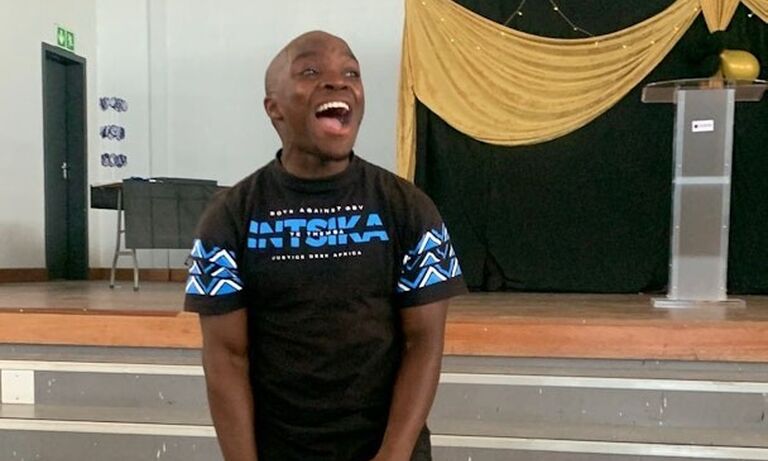
That began to change when Nande joined the iNtsika yeThemba Level 3 programme.
iNtsika yeThemba offers young men structured empowerment sessions, mentorship and safe spaces for dialogue. Through facilitated discussions on masculinity, emotional awareness and gender‑based violence, the programme creates opportunities for participants to unpack their experiences and challenge harmful norms. It also introduces creative expression as a tool for healing and advocacy, encouraging participants to turn reflection into action.
For Nande, poetry became that tool.
Before the programme, he internalised his emotions in an environment where silence was the norm. Through iNtsika yeThemba, he found language for what he had been carrying. Using spoken word and artivism, Nande began to express his experiences, reflect on masculinity and speak openly about GBV. What started as personal healing soon became a way to educate and inspire others.
“Before joining iNtsika yeThemba, I didn’t know how to talk about my feelings or what it meant to be a young man,” Nande shared. “Now, through my poetry, I can express myself and help others understand that it’s okay to feel and to heal.”
This shift marked a powerful turning point. Nande grew in confidence and emotional awareness, developing a healthier understanding of masculinity rooted in empathy, reflection and responsibility. He now speaks openly in group discussions and uses poetry to communicate messages about non‑violence, respect and healing. His voice, once quiet, has become a source of influence among his peers.
The change did not happen overnight. It emerged through consistent engagement, mentorship and safe dialogue. Group discussions allowed Nande to hear other young men’s experiences and realise he was not alone. Emotional awareness sessions helped him name and process his feelings. Creative platforms gave him permission to speak, perform and be heard.
Programme facilitators and mentors observed a clear transformation.
“We’ve seen a remarkable transformation in Nande,” said Bulelani Masikiti. “He went from being quiet and withdrawn to leading discussions on gender‑based violence and using art to educate his peers. His growth shows the power of safe spaces and mentorship.”
Today, Nande actively participates in sessions, contributes thoughtfully to discussions and supports others in navigating personal challenges. He consistently uses poetry and artivism to raise awareness about GBV, demonstrating both confidence and a deeper understanding of the issues. Other boys engage with his work and listen when he speaks, a strong indicator of his growing leadership and positive social influence.
“When Nande shares his poems during sessions, everyone listens,” said Sipho Dlamini. “He has inspired many of us to think differently about masculinity and how we treat each other. He has become a voice for positive change.”
The evidence of change is visible and sustained. Nande no longer suppresses his emotions. Instead, he expresses them in healthy, constructive ways. He shows empathy, reflection and accountability, qualities that were not previously evident. His journey illustrates how creating the right conditions can unlock transformation, not only for individuals but for entire peer groups.
Before iNtsika yeThemba, Nande was navigating a community shaped by toxic masculinity, with few safe spaces for healing. Now, he stands confidently in his truth, using creativity to challenge harmful norms and contribute positively to conversations about gender‑based violence. His story shows that healing and leadership can go hand in hand.
Looking ahead, sustaining this change requires continued investment in safe spaces like iNtsika yeThemba. Structured mentorship, empowerment sessions and creative outlets remain essential for young men to process emotions and reflect on GBV. Nande’s engagement with poetry and artivism offers opportunities for scale through peer‑led workshops, school campaigns and community performances.
By integrating programme alumni like Nande as mentors for new participants, iNtsika yeThemba can ensure that knowledge, skills and positive behaviours are passed on. In doing so, the programme strengthens a culture of healthy masculinity, emotional openness and advocacy.
Nande’s journey from silence to spoken word is a reminder that when young men are given permission to feel, space to speak and tools to heal, they can become powerful drivers of change.
Comments
Related Stories Of Change