South Africa: Together for change - Building stronger GBVF partnerships

For years, stakeholders working to address gender-based violence and femicide (GBVF) in South Africa's North West Province shared the same goal but often worked in isolation. Government departments, law enforcement agencies, schools, civil society organisations, and community structures were all striving to support survivors and prevent violence, yet limited communication and coordination made it difficult to maximise their collective impact. This fragmented approach created challenges such as weak referral pathways, gaps in service delivery, and limited accountability for implementing policies designed to protect women and girls.
In Mahikeng, Ambassadors4Change recognised the urgent need to bring these voices together. As a community-based organisation committed to empowering communities and advancing gender equality, the organisation works closely with women, girls, and young people who are disproportionately affected by GBVF. The organisation understood that stronger partnerships between stakeholders were essential to creating safer communities and ensuring that survivors could access the support and justice they deserve.
The opportunity to strengthen these partnerships came through the 100-Day Challenge initiative. More than just a workshop, the challenge provided a platform for diverse stakeholders to engage in honest conversations about the barriers they faced in responding to GBVF. It created a structured space where participants could share experiences, identify challenges, and commit to practical actions that could be achieved within a defined period.
Before the intervention, many stakeholders carried out valuable work in their respective sectors without fully understanding how their efforts connected with those of others. Departments and organisations often addressed similar issues independently, resulting in missed opportunities for collaboration and resource sharing. While there was commitment to ending violence against women and girls, there was no consistent mechanism for bringing stakeholders together around a common agenda.
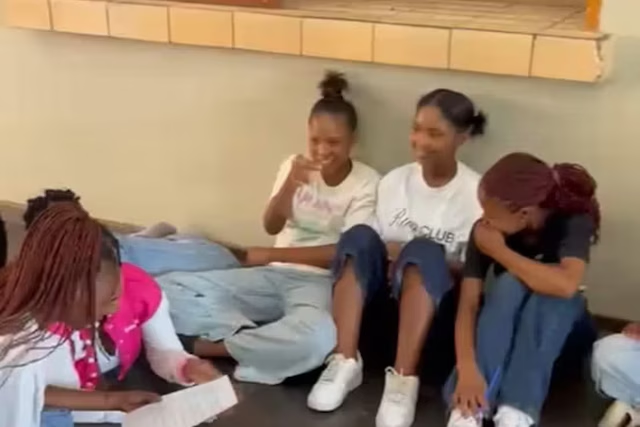
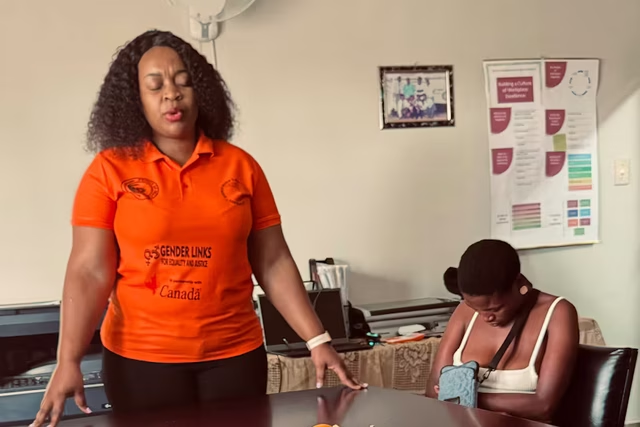
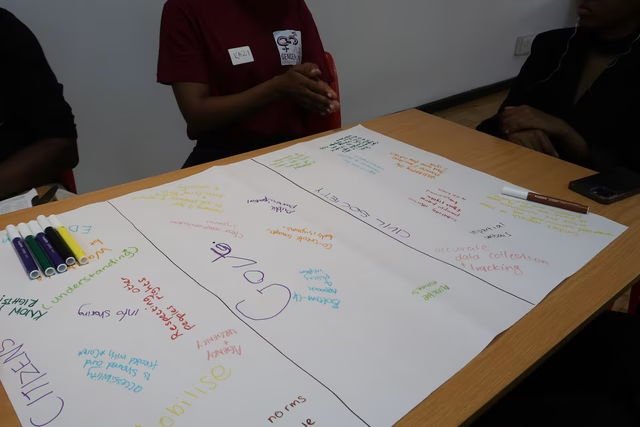
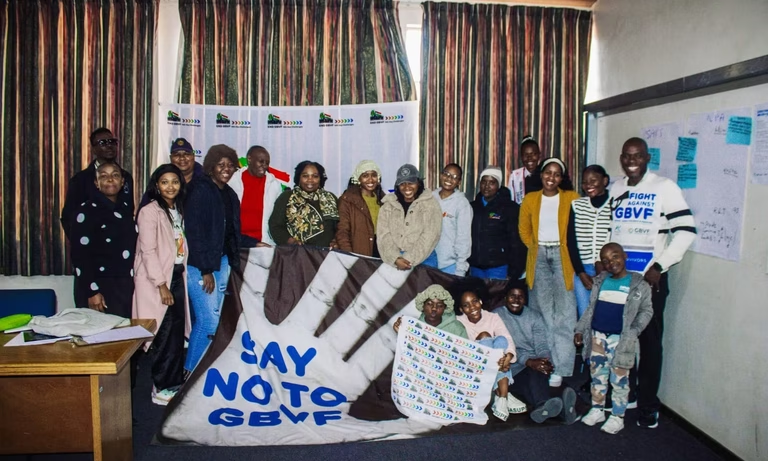
The 100-Day Challenge changed this dynamic. Representatives from government departments, civil society organisations, educational institutions, and other community stakeholders gathered to discuss the realities of GBVF in the province. Through facilitated discussions, they explored common challenges, shared lessons from their work, and examined ways to strengthen cooperation. Most importantly, participants were encouraged to move beyond discussion and commit to concrete actions that could improve coordination and accountability.
As relationships developed during the workshop, stakeholders began to see themselves not as separate actors addressing individual problems but as partners working towards a shared goal. The process helped build trust, improve communication, and create a clearer understanding of the unique role that each stakeholder could play in preventing and responding to GBVF.
The positive impact of this change extends beyond the organisations involved. Women and girls stand to benefit the most from a more coordinated response to violence. When stakeholders communicate effectively and work together, survivors are more likely to access appropriate services, referral systems become stronger, and prevention efforts are amplified across communities. Improved collaboration also creates opportunities to identify gaps in support systems and address them collectively.
Evidence of this change is visible in both the workshop process and the continued engagement that followed. Attendance records, photographs, and documented stakeholder commitments demonstrate strong participation and a willingness to collaborate. The diversity of participants reflected a growing recognition that GBVF cannot be addressed by one sector alone and requires a united response from all stakeholders.
Perhaps even more importantly, relationships established during the 100-Day Challenge have continued beyond the workshop itself. Stakeholders have maintained communication, shared information and resources, and explored new opportunities to work together. These ongoing interactions indicate that the initiative did more than facilitate a one-time conversation. It laid the foundation for longer-term collaboration and strengthened the collective response to GBVF in the province.
Participants highlighted the importance of this shift towards partnership and shared responsibility.
As Kamogelo Mothib reflected, "GBV is not a private matter. Ka Setwana, we say 'sedikwa ntja pedi gase thata'," emphasising the belief that challenges are easier to overcome when people work together.
This sentiment captures the spirit of the initiative and the understanding that ending GBVF requires collective action.
Similarly, Pule Matje noted that "the 100-Day Challenge plays the role of equipping stakeholders with skills to eradicate or reduce the staggering numbers of GBVF."
This speaks to the practical value of the initiative in strengthening the capacity of stakeholders to respond effectively to violence.
Amantle Siathlolo also highlighted "the importance of coming together as various stakeholders of Mahikeng to fight GBVF."
Her observation reflects a growing awareness that sustainable change depends on strong partnerships and a shared commitment to action.
Looking ahead, Ambassadors4Change is committed to sustaining and expanding the momentum generated by the 100-Day Challenge. The organisation plans to continue engaging stakeholders, maintaining communication channels, and creating opportunities for further collaboration. Future initiatives will seek to involve additional organisations and community leaders, ensuring that the network continues to grow and reach more communities across the province.
The lessons and commitments emerging from the challenge will guide future efforts to prevent GBVF and strengthen support systems for survivors. By building on existing relationships and encouraging stakeholders to take ownership of their roles, Ambassadors4Change aims to foster a more coordinated, accountable, and community-driven response to violence.
The story of change in Mahikeng demonstrates that meaningful progress often begins with bringing people together. Through dialogue, commitment, and collective action, stakeholders have started to build stronger partnerships that can contribute to a safer future for women and girls. While the work is far from complete, the foundations have been laid for a more collaborative and effective movement against gender-based violence and femicide in the North West Province.
Comments
Related Stories Of Change