South Africa: The power of respect: How dialogue is shaping positive masculinity among young men in KwaZulu-Natal

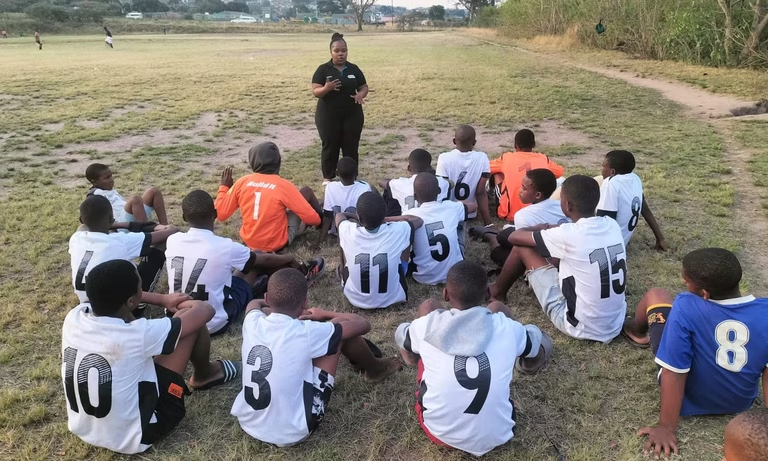
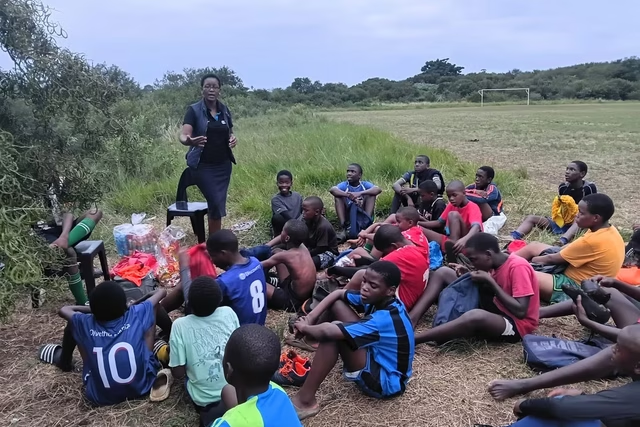
In communities across KwaZulu-Natal, soccer is more than a sport. It is a gathering place where young people build friendships, develop confidence, and learn important life skills. Between January and June 2026, Dialogue Facilitator Zenani Dlamini worked closely with young men and community-based soccer teams to create safe spaces for discussion, reflection, and learning. Through a series of dialogue-led training sessions, participants explored issues such as respect, discrimination, peer pressure, emotional wellbeing, and positive relationships.
Many young men grow up in environments where vulnerability is discouraged and where harmful stereotypes about masculinity can shape behaviour. Social pressure, bullying, discrimination, and unhealthy attitudes towards women often go unchallenged. The training sought to address these challenges by encouraging participants to think critically about their actions, recognise the impact of their behaviour on others, and understand the importance of empathy and support.
One of the most significant changes observed during the programme was a shift in attitudes towards respect and equality. Participants began to speak openly about treating others fairly and challenging discriminatory behaviour. These changes emerged not only during formal discussions but also in the way participants described their everyday interactions with teammates, friends, and members of their communities.
Samkelo, a player from the Warriors soccer team, spoke about how the training influenced the way he relates to others. Reflecting on his experience, he said:
“It taught me as a young man how to behave and treat others with respect, especially women. It taught us not to discriminate against other people, especially with regard to their race and where they come from.”
His words demonstrate a growing understanding of the importance of equality, dignity, and mutual respect. The training encouraged participants to recognise that discrimination and prejudice harm both individuals and communities, while respectful relationships create stronger and more inclusive environments.
A similar message came from Mlamuli, another participant who reflected on the value of treating people equally.
“I would like to thank them for giving us awareness on how to treat people equally and not to discriminate anywhere. It helps not to be known as a man who is doing anyhow.”
Although expressed in simple terms, his reflection highlights an important shift in thinking. Participants were not only learning about respectful behaviour but were also beginning to see these values as part of their own identity and the kind of men they want to become.
The programme also helped younger participants understand the effects of bullying and social pressure. Simphiwe Mgenge, a 12-year-old participant from Black Chiefs Soccer Club, shared his understanding of how exclusion and unkind behaviour can affect young people. Through the training, he learned that bullying and social isolation can lead to harmful coping mechanisms and may cause young people to withdraw from supportive spaces such as school or sports clubs.
Importantly, Simphiwe also gained practical knowledge about where to seek help and how to assist someone who may be struggling. He learnt about support services such as ChildLine and the importance of recognising when a friend may need assistance. The training further emphasised accountability, teaching participants the value of apologising, repairing relationships, and rebuilding trust after causing harm.
According to facilitator Zenani Dlamini, these changes became increasingly visible over the course of the programme.
“What stands out this semester is how naturally these lessons are showing up in the boys' own words. Whether it's an older player connecting respect to self-worth, or a younger one understanding how to support a struggling teammate, they are absorbing more than instructions; they are absorbing values they can carry into adulthood.”
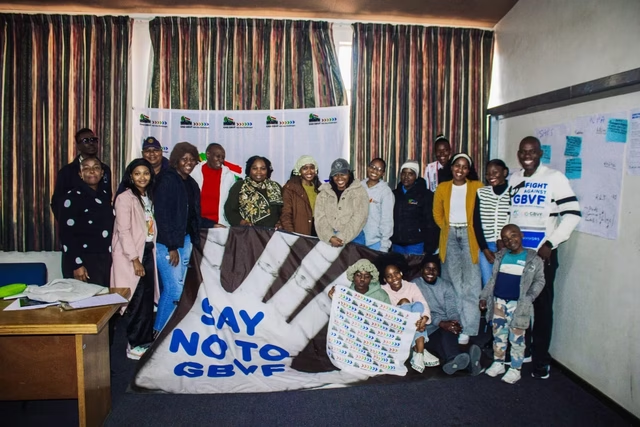
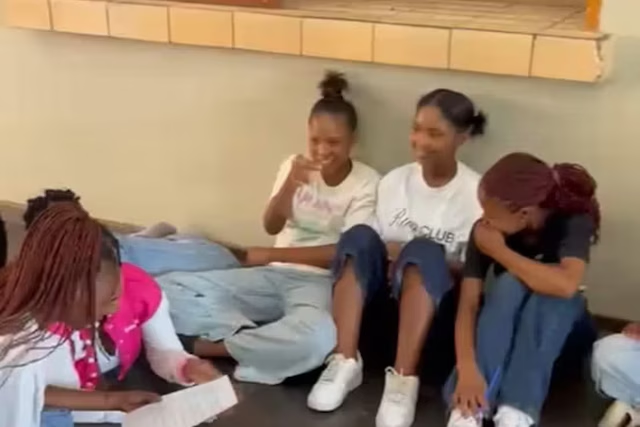
The impact of the programme is reflected not only in participant testimonies but also in photographs and videos documenting training sessions and reflections. Images captured during activities show participants actively engaging in discussions and celebrating together after training sessions. Video reflections from participants including Samkelo and Mlamuli provide further evidence of the positive influence the programme has had on their attitudes and understanding.
The success of the initiative has reinforced the value of creating spaces where young men can openly discuss challenges they face and learn healthier ways of relating to others. By linking respect, equality, accountability, and help-seeking behaviour, the programme is helping to build a generation of young men who are better equipped to contribute positively to their communities.
To ensure these gains are sustained, the programme will continue working closely with soccer clubs, coaches, and community partners, including Stand Out Organisation. Dialogue and positive behaviour messages will be further integrated into team culture, allowing participants to reinforce these lessons through their everyday interactions.
Facilitators will continue mentoring participants across different age groups, encouraging peer-led conversations and ongoing reflection. Training content will also be regularly reviewed based on participant feedback and facilitator observations to ensure it remains relevant to the realities faced by young men and boys in their communities.
The story of change emerging from KwaZulu-Natal demonstrates that when young people are given opportunities to reflect, listen, and learn from one another, meaningful transformation can occur. Through dialogue, respect is becoming more than a lesson. It is becoming a value that young men are choosing to practise in their relationships, teams, and communities.
Comments
Related Stories Of Change