South Africa: Sexually reactive children: Creating safe spaces for healing and positive behaviour change

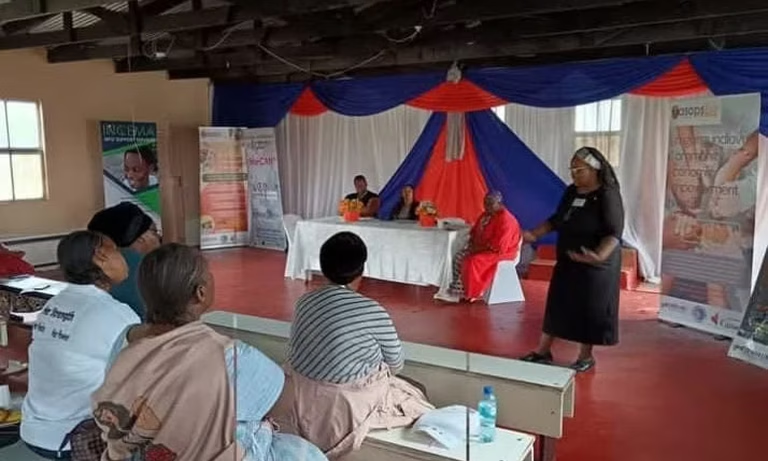
Children who experience trauma often express their distress in ways that adults may find difficult to understand. For child and youth care centres, responding to these behaviours can be challenging, particularly when they involve sexualised behaviours among young children. In KwaZulu-Natal, one such challenge led to a partnership between Blessed Gerard Care Centre and Incema NPO, creating an opportunity for early intervention, healing, and positive behaviour change.
Blessed Gerard Care Centre in eMandeni referred nine children under the age of 12 to Incema NPO after concerns emerged regarding inappropriate sexual behaviour among the children in their care. Incema is one of the few organisations in KwaZulu-Natal that provides specialised services for sexually reactive children, making it a critical resource for organisations dealing with complex child protection cases.
At the time of referral, the situation had become a significant concern. Some children were exposing themselves to other children and engaging in behaviours that placed both themselves and their peers at risk. Despite the care centre's efforts to address the issue through various activities and interventions, little progress had been made. Recognising that specialised support was needed, social workers and caregivers made the journey from Mandeni to Pietermaritzburg each week so that the children could receive professional psychosocial support.
The children participated in weekly individual counselling sessions and therapeutic group work facilitated by Incema's psychosocial team. Using trauma-informed play therapy, social workers created child-friendly spaces where children could safely explore their experiences, emotions, and behaviours.
Rather than focusing solely on the behaviour itself, the intervention sought to understand the underlying causes of the children's actions. Through carefully structured activities, including play, drawing, storytelling, and age-appropriate discussions, social workers helped the children explore their personal histories, understand the reported behaviours, and develop healthier coping mechanisms.
The process was designed to be supportive, non-judgemental, and developmentally appropriate. Children were encouraged to express themselves in ways that felt safe and comfortable, while social workers worked closely with caregivers to strengthen support systems around each child. Over time, positive changes began to emerge. While healing from trauma is often a long-term journey, facilitators observed early signs of progress. Children showed reduced levels of anxiety and emotional distress during sessions.
They became more comfortable discussing their experiences and appeared increasingly willing to engage with therapeutic activities. Importantly, these changes signalled the beginning of a healing process. Through assessment and therapeutic support, children were learning alternative ways to cope with difficult emotions and experiences. Recommendations were also provided to the child and youth care centre to ensure that children continued receiving support within their daily environment.
The impact of the programme was recognised by professionals working directly with the children. Following the assessments, the designated social worker from Blessed Gerard Care Centre provided positive feedback, expressing appreciation for the quality of the intervention and acknowledging that although changes were gradual, they were significant. The quality of the service was also highlighted by individuals who interacted with Incema's team.
Nontobeko Thusi reflected on the experience of bringing children to the sessions:
"From the moment we entered Incema premises we were welcomed with warmth and friendliness. Our children got into a child-friendly space with toys and colouring books. The waiting area is comfortable and neat. We did not wait longer than five minutes for the social workers to start sessions with the children. The feedback sessions between Incema social workers and Blessed Gerard Child and Youth Care Centre social workers were informative and showed that thorough assessments were done. Looking forward to coming back."
Another beneficiary, Zanele Ngongoma, emphasised the value of the support received:
"I am so glad I received a service."
Similarly, Nokulunga Zondi praised the approach taken by the social worker:
"The service was excellent. The social worker was very patient with me."
These reflections point to more than just satisfaction with the service. They demonstrate the importance of creating supportive, accessible, and compassionate spaces where vulnerable children and those responsible for their care can access specialised assistance without stigma or judgement.
The growing demand for the programme further highlights its relevance. Continued referrals from organisations and positive feedback from beneficiaries indicate that specialised psychosocial services for children remain a critical need within communities across KwaZulu-Natal.
To sustain and strengthen this impact, Incema plans to expand both the reach and depth of its services. The organisation aims to increase the number of beneficiaries supported through community-based interventions, extend services to additional geographical areas, and strengthen partnerships with schools, community organisations, and government departments.
Future plans also include expanding psychosocial support sessions, behavioural change programmes, parenting workshops, and community awareness initiatives. By increasing the frequency and variety of interventions, Incema hopes to provide more comprehensive and ongoing support to children and families facing complex challenges.
The organisation also plans to strengthen its human resource capacity by training additional facilitators, social auxiliary workers, and community volunteers. This will enable Incema to respond more effectively to complex child protection cases while maintaining high-quality services.
In addition, digital communication platforms will be used to increase awareness of available services, encourage referrals, and ensure that more families and organisations know where to seek support when concerns arise.
The experience of Blessed Gerard Care Centre demonstrates the difference that specialised, trauma-informed intervention can make in the lives of vulnerable children. While the journey towards healing continues, the programme has already laid an important foundation by creating safe spaces, reducing anxiety, strengthening support systems, and helping children develop healthier ways of coping and relating to others. Through continued collaboration and investment in child protection services, more children will have the opportunity to heal, grow, and thrive in safe and supportive environments.
Comments
Related Stories Of Change