South Africa: The best way to prevent GBVF is to include men and young boys

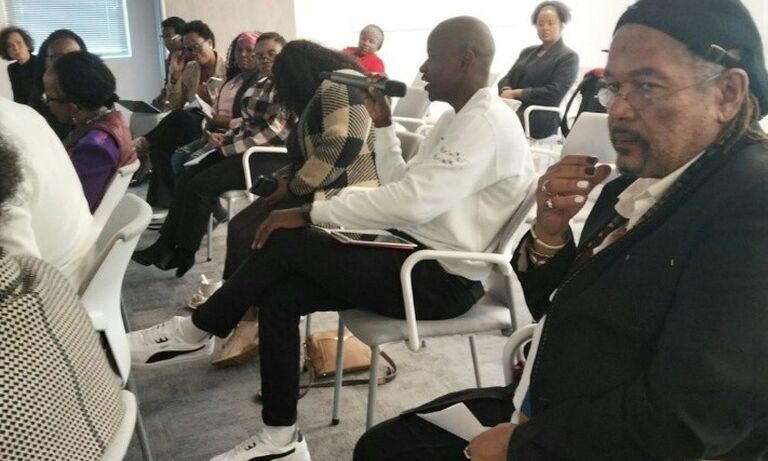
For 23 years, South African Women in Dialogue (SAWID) has worked to advance women's voices, leadership and participation in decision-making spaces. Yet a recent Think Tank Dialogue on Unlearning Harmful Social Norms challenged participants to consider a critical question: can gender-based violence and femicide (GBVF) be prevented without meaningfully engaging men and boys?
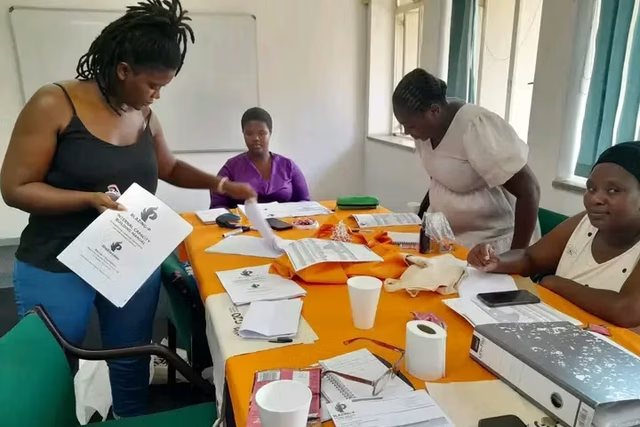
Held on 3 June 2026, the dialogue brought together researchers, social workers, practitioners and community leaders to inform the development of an evidence-based GBVF Prevention Toolkit. The discussion explored how harmful social norms are formed, how they contribute to violence, and what communities can do to prevent GBVF before it occurs.
One of the most influential contributions came from organisational psychologist and behavioural change specialist Thulani Grenville Grey, whose work focuses on masculinity, trauma, behaviour change and gender norm transformation. Drawing on more than 25 years of experience, he presented an approach that challenges traditional GBVF prevention strategies by focusing on healing, connection and mentorship among men and boys. Grenville Grey argued that many interventions focus on condemning violence after it occurs rather than addressing the emotional wounds, social pressures and harmful norms that often contribute to violent behaviour. His presentation encouraged participants to consider prevention from a different perspective: helping men and boys develop emotional literacy, healthy relationships and positive support systems before violence takes root.
A key example came from the successful Coach Mpilo programme, which supports men living with HIV. The programme pairs participants with peer coaches who share similar lived experiences and can provide practical guidance, encouragement and accountability. Evidence from the programme showed remarkable results, with a network of 700 trained coaches helping to achieve a 98% retention rate in antiretroviral treatment adherence.
The success of the programme demonstrated the power of peer support and human connection. One participant explained the importance of seeing his own experience reflected in another person, saying: “I need a friend and I need to see someone else who is living with HIV.”
For Grenville Grey, this lesson extends beyond HIV treatment. It offers valuable insights into how to engage men in conversations about violence, accountability and change. He noted that men are often socialised to suppress vulnerability and avoid asking for help, making it difficult for many to address trauma, emotional pain or unhealthy behaviours.
Drawing on his work with men's groups, he described how many men struggle with the social expectation of being providers, protectors and authority figures, even when circumstances make these expectations difficult to meet. The resulting frustration, isolation and shame can become barriers to healthy relationships and personal growth.
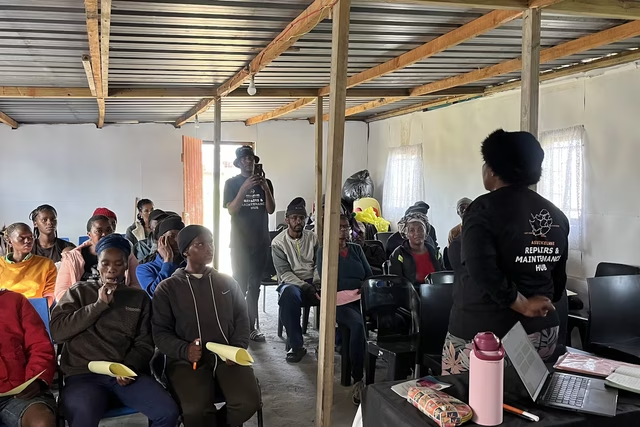
Rather than relying on slogans or awareness campaigns alone, Grenville Grey called for approaches that create safe spaces where men can speak honestly about their lives, their challenges and their emotions. He emphasised the importance of mentorship, peer support and positive role models who can help men develop healthier ways of relating to themselves and others. His message resonated strongly with participants at the dialogue. Many reflected on how understanding men's experiences and vulnerabilities could strengthen efforts to prevent GBVF.
One participant, Elizabeth Dlamini Khumalo, acknowledged how the discussion shifted her thinking, stating: “We, as women, are downplaying our own role in how the world has played out.”
Another participant, Coach Silver Shabalala, reflected on the significance of the conversation, saying: “This has been different for me personally because it is not easy to get a man where they become vulnerable about the things that they experience in their own lives, the things they struggle with.”
According to Coach Paris Pitsillides, the impact of the approach lies in trust and connection: “I think the secret to Coach is his ability to create a safe space for men to be able to communicate with him and learn about what it takes to get healthy.”
Perhaps the most powerful message of the day was Grenville Grey's assertion that “the best way to prevent GBVF is to heal wounded boys.” The statement challenged participants to think beyond crisis response and law enforcement and to consider the role of families, communities, schools and social support systems in preventing violence before it occurs.
The dialogue reinforced SAWID's commitment to developing a prevention-focused GBVF Toolkit that addresses the root causes of violence. The organisation intends to incorporate evidence-based approaches that promote healthy masculinities, emotional wellbeing, mentorship and positive engagement with men and boys. These approaches will complement ongoing efforts to advance women's rights and gender equality while strengthening prevention at family and community level. Looking ahead, SAWID plans to share the toolkit and its findings with broader networks, including the GBVF Prevention Coalition and the Beijing Plus 30 African Women's Movement. The organisation also advocates for greater investment in community-based prevention services and the professionalization of social work, recognising the vital role that social workers play in supporting families and fostering behavioural change.
The dialogue highlighted an important lesson: preventing GBVF requires more than responding to violence after it happens. It requires addressing the harmful social norms, unresolved trauma and emotional isolation that can contribute to violence in the first place. By creating spaces for healing, accountability and connection, communities can engage men and boys as partners in change and build safer, more equitable societies.
As participants reflected on the day's discussions, one principle stood out: achieving different outcomes requires different approaches. In the words that captured the spirit of the dialogue, “To get what we have never had, we must do what we have never done.”
Comments
Related Stories Of Change