South Africa: Supporting LGBTIQ+ student communities into mainstream society advocacy

Institutions of higher learning play a critical role in shaping future leaders and social change agents. In Limpopo Province, South Africa, student-led LGBTIQ+ structures have long provided important support and advocacy within their campuses. However, many of these structures operated largely within institutional boundaries, limiting opportunities for students to connect with broader community advocacy networks and prepare for activism beyond their years of study.
Recognising this gap, Capricorn Ignited LGBTI sought to build stronger connections between student organisations, civil society groups and government structures. The goal was not only to strengthen advocacy while students are enrolled at universities and colleges, but also to ensure continuity of leadership and activism after graduation.
Through support received from the RWVL grant funded by Global Affairs Canada and mentorship from Gender Links, the organisation was able to expand its engagement across Limpopo Province. The funding enabled outreach to institutions located across different municipalities, fostering collaboration between student structures, community organisations and government stakeholders working to advance the rights, wellbeing and inclusion of LGBTIQ+ people.
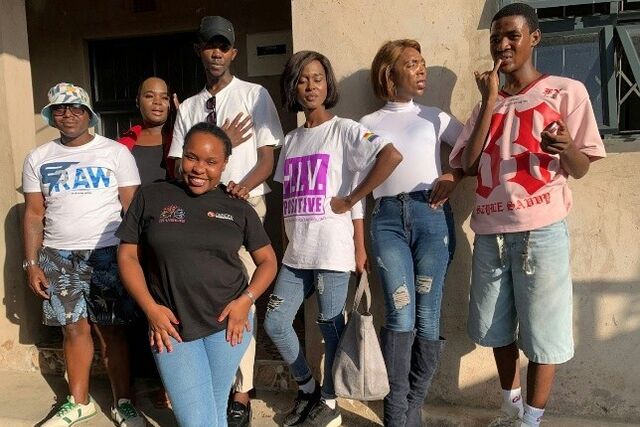
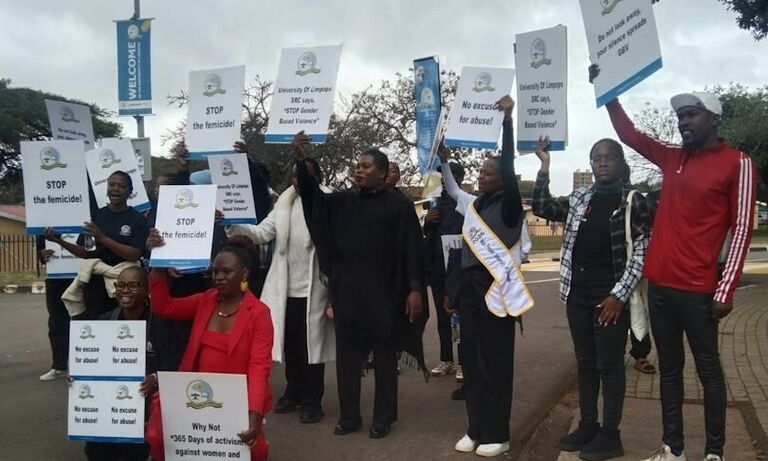
As a result, student groups that previously worked in relative isolation are now actively participating in broader advocacy platforms. Student representatives are engaging with structures such as the Provincial Task Team on Sexual Orientation, Gender Identity and Expression, and Sex Characteristics (SOGIESC) issues, as well as the SANAC LGBTIQ+ Sector. They are also participating in campaigns, dialogues and awareness initiatives across the province, contributing both as students and as community members.
This shift has created a stronger multisectoral approach to advocacy. Students are gaining practical experience in engaging with policymakers, civil society organisations and community stakeholders, while institutions are increasingly recognising the value of partnerships with external organisations working on gender equality and LGBTIQ+ rights. The collaboration has helped bridge the transition between campus-based advocacy and community-level activism, ensuring that young advocates remain connected to movements for social justice even after leaving formal education.
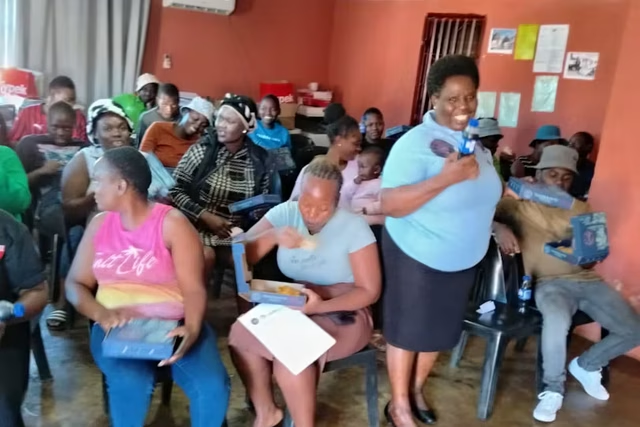
The impact of this approach is reflected in the growing confidence and participation of student leaders. Through sensitisation sessions, roadshows, dialogues and networking opportunities, students have developed a deeper understanding of advocacy processes and have become more visible participants in provincial initiatives.
According to Lesedi, Chairperson of UL Rainbow, the support has strengthened awareness efforts within institutions: “We appreciate the support that we are getting from the provincial sector and the LGBTIQ+ organisations that help us create more awareness in our institutions.”
The value of the partnership has also been recognised by university stakeholders. Dr Rapakwana from the University of Limpopo Gender Desk noted: “The collaboration with Capricorn Ignited LGBTI organisation is really benefiting and encouraging our student structures, and we appreciate their constant support. Whenever we make a call, they are there.”
For students themselves, the initiative has opened new opportunities for learning and participation. One student leader, Sello, reflected on the significance of the programme, saying: “I am part of the student structure at my institution, and I am willing to learn more about advocacy work and engage more with stakeholders outside of the school environment. I will participate more.”
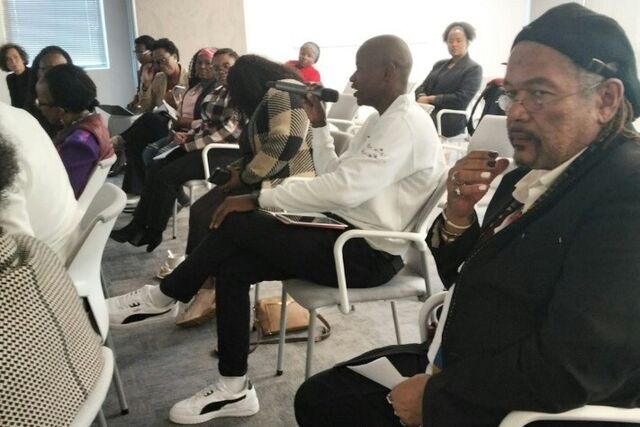
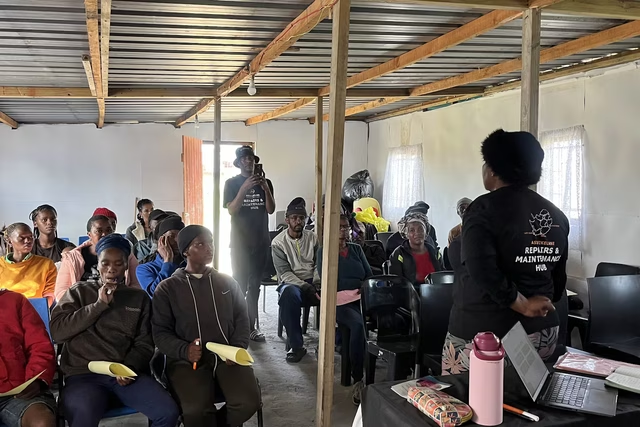
Evidence of the change can be seen in the increasing involvement of student structures in provincial forums, campaigns and advocacy activities. Institutions are also making greater efforts to engage external organisations on gender and LGBTIQ+ issues, demonstrating growing recognition of the importance of collaboration and shared learning. Activities such as LGBTIQ+ roadshows, dialogue sessions on sexual and reproductive health rights (SRHR), mental wellness engagements, and awareness campaigns have provided valuable platforms for students to interact with a diverse range of stakeholders.
To sustain these gains, Capricorn Ignited LGBTI and institutional Gender Desks are committed to strengthening partnerships and formalising working relationships. Planned next steps include the development of policies, memoranda of understanding and other structured mechanisms that will support long-term collaboration between educational institutions, civil society organisations and government stakeholders.
By connecting student leaders with community advocacy systems while they are still studying, this initiative is helping to build a stronger, more sustainable movement for equality and inclusion. The programme demonstrates how investment in young leaders today can create lasting impact for tomorrow, ensuring that LGBTIQ+ advocacy continues to grow through informed, connected and empowered voices across Limpopo and beyond.
Comments
Related Stories Of Change