South Africa: Strengthening young LBQ advocates for lasting change

Young people are at the forefront of advancing equality and human rights, particularly within LGBTIQ+ communities. Yet many young lesbian, bisexual and queer (LBQ) activists continue to face barriers to participation, including limited access to leadership opportunities, advocacy training and safe spaces in which to build their confidence.
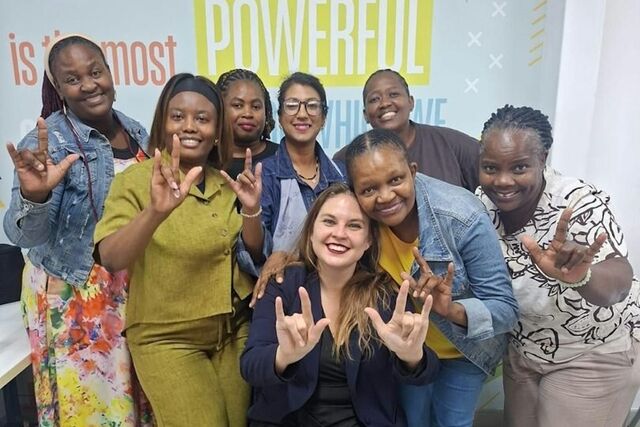
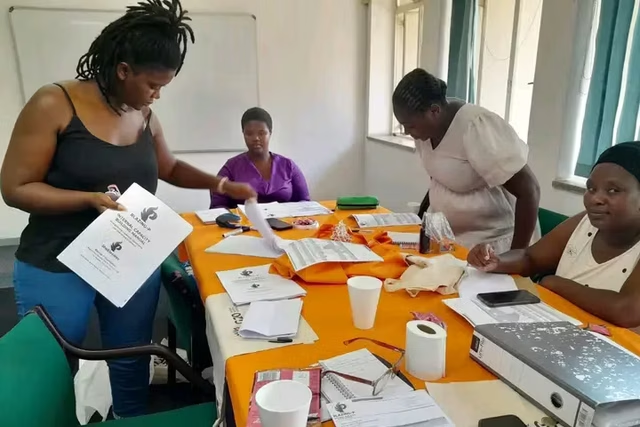
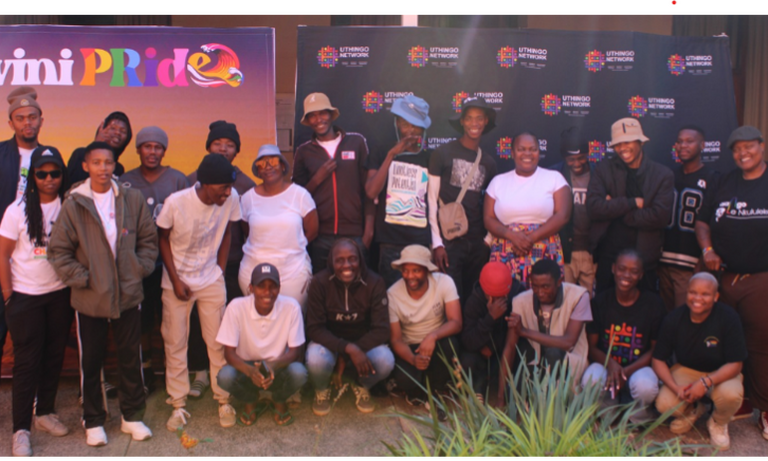
It was against this backdrop that a youth camp brought together young activists and representatives from civil society organisations to reflect on their advocacy journeys, share lessons learned and strengthen their capacity to advance the rights of LBQ communities. More than a training event, the camp provided a supportive environment where participants could build skills, exchange experiences and envision their role in creating positive social change.
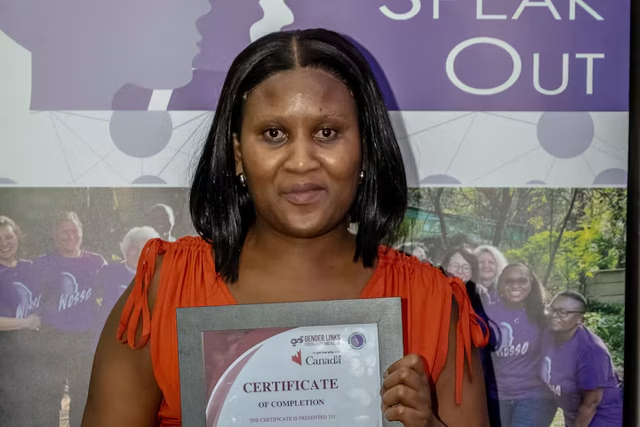
One of the participants, Nkadimeng Female, described the experience as transformative. Through group discussions, journalling exercises and facilitated reflection sessions, participants explored both the successes and challenges they encounter while advocating for LBQ rights in their communities. These sessions created opportunities for honest dialogue about what works, what remains difficult and how young activists can support one another.
A key feature of the programme was the opportunity for participants to reflect on their “roses and thorns” following a morning journalling session.
This exercise encouraged them to identify moments of growth alongside the obstacles that continue to affect their work. By sharing these experiences collectively, participants were able to learn from one another and develop practical strategies for strengthening their advocacy efforts. For Nkadimeng, the youth camp provided more than knowledge. It offered a platform to develop essential leadership skills. They reported increased confidence in public speaking and a deeper understanding of advocacy, including the responsibilities that accompany leadership within social justice movements.
The change did not happen overnight. It emerged through continuous engagement in discussions, reflective activities and peer learning sessions that encouraged active participation. Listening to the experiences of fellow advocates and learning about successful community initiatives helped participants connect advocacy theory with practical action. As their confidence grew, so too did their understanding of how they could contribute to advancing the rights of LBQ people within their own communities.
The impact of the programme is already extending beyond the camp itself. Inspired by the experience, Nkadimeng and their team plan to document stories from their community that demonstrate how young people can become involved in advocacy and better understand their rights. These stories will be used to raise awareness, encourage greater youth participation and create opportunities for learning and community engagement.
This commitment to sharing community stories reflects an important shift from individual learning to collective action. By amplifying local voices and experiences, participants hope to create stronger connections between young people and the advocacy movements that seek to advance equality, dignity and inclusion.
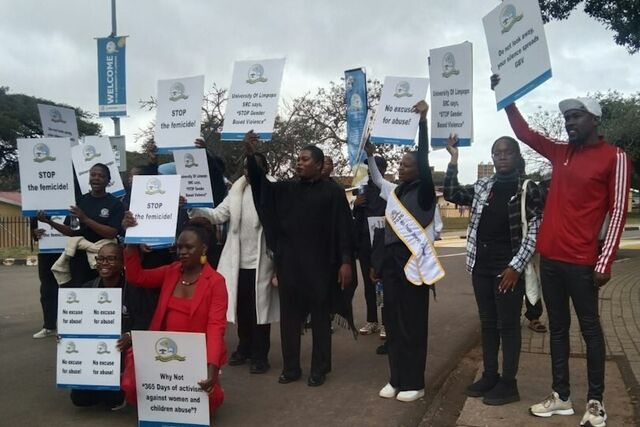
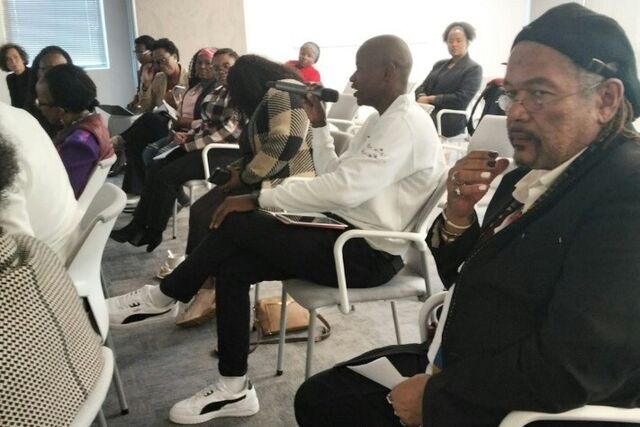
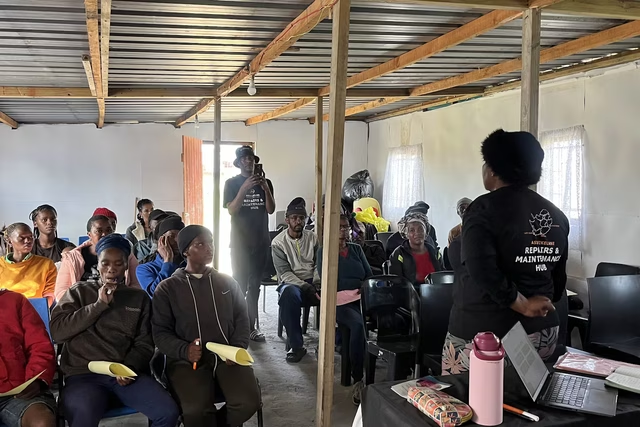
The importance of continued dialogue and education was reflected in comments shared by workshop participants and community members. One participant, using the pseudonym Sibusiso, highlighted the need for personal accountability in challenging violence and harmful gender norms.
"I realised that ending violence is not about changing women. It starts with changing the way we as men think, behave and treat other people."
Another participant, Thabo, emphasised the value of using lived experiences to support others:
"I want to use my experience to teach young people about the consequences of violence so that they do not repeat the mistakes I made."
A community member who engaged with content from the workshop underscored the need for broader community engagement:
"Workshops like this should be taken to township communities because these are conversations that men need to have."
These reflections demonstrate the wider influence that safe spaces for dialogue and learning can have. Beyond strengthening individual advocates, they contribute to changing attitudes, fostering empathy and encouraging community responsibility.
Evidence of change can be seen not only in participants’ reported growth in confidence and advocacy skills, but also in their commitment to future action. Plans to collect and share community stories indicate that participants are already applying what they have learned and seeking new ways to increase awareness and participation among young people.
Looking ahead, FEW and its partners recognise that sustained engagement is essential. Harmful gender norms and discrimination remain deeply rooted in many communities, particularly in rural, township and conservative settings. To build on the momentum generated through the youth camp and related workshops, FEW will continue facilitating advocacy and sensitisation programmes, strengthen partnerships with organisations such as Uthingo Network and eThekwini Pride, and support participants to become peer educators and community advocates.
The organisation also intends to expand these initiatives into communities where demand for dialogue, education and support has been identified. By investing in young leaders and creating opportunities for ongoing engagement, FEW is helping ensure that the next generation of LBQ advocates is equipped with the skills, confidence and networks needed to drive lasting change. As Nkadimeng's experience demonstrates, meaningful change begins when young people are given the tools, encouragement and space to find their voices. By nurturing emerging advocates today, this initiative is helping keep the fire of equality, inclusion and human rights burning for the future.
Comments
Related Stories Of Change