South Africa: Breaking the silence on gender-based violence among persons with disabilities

In Limpopo Province, South Africa, persons with disabilities often face multiple barriers that leave them vulnerable to gender-based violence (GBV). Discrimination, social isolation, dependence on caregivers, communication challenges, and limited access to support services can make it difficult for survivors to recognise abuse, seek help, or access justice. For many, violence remains hidden and unreported.
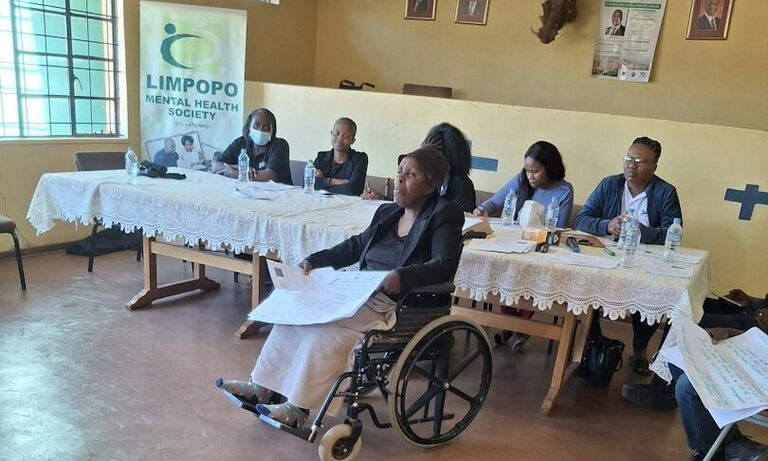
To address these challenges, the Limpopo Mental Health Society (LMHS), in partnership with Gender Links, implemented a disability-inclusive GBV awareness and empowerment programme at the Ramokgwakgwa Protective Workshop. The initiative formed part of broader efforts to promote gender equality, human rights, and the inclusion of persons with disabilities in community-based violence prevention programmes.
Before the intervention, many of the workshop’s beneficiaries had limited understanding of what constitutes GBV and were unaware of their rights. Some participants believed that certain forms of abuse were normal within families or relationships. Others did not recognise emotional abuse, financial exploitation, neglect, or controlling behaviour as forms of violence. Fear, stigma, and concerns about losing support from family members or caregivers often prevented individuals from reporting abuse or asking for help.
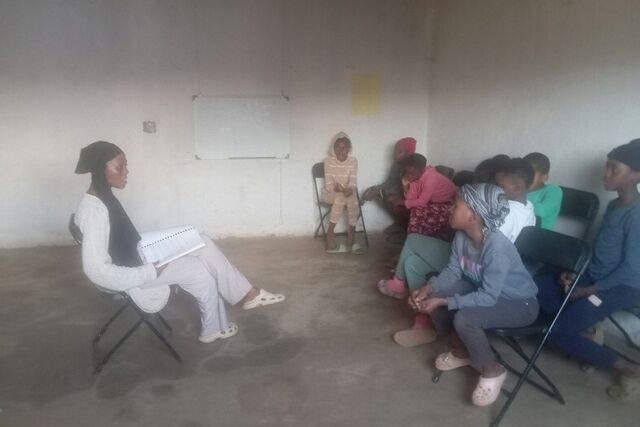
Recognising these realities, LMHS and Gender Links designed a programme that ensured participants could access information in ways that met their diverse needs. Awareness sessions were delivered using simple, accessible language and supported by interactive discussions, practical examples, role plays, and group activities. This approach encouraged active participation and created a safe environment where participants could ask questions, share experiences, and build confidence.
A key objective of the programme was to strengthen participants’ understanding of their constitutional and human rights while increasing awareness of available support services. Participants learned about healthy relationships, consent, gender equality, violence prevention, and the different forms of GBV. They were also introduced to referral pathways, including social workers, healthcare facilities, victim empowerment services, community organisations, and the South African Police Service.
As the sessions progressed, participants demonstrated a growing understanding of GBV and its impact. They became more confident in identifying abusive behaviour and discussing practical steps they could take if they experienced or witnessed violence. The programme also encouraged participants to support one another and to challenge harmful attitudes that can contribute to violence and discrimination.
One of the most significant outcomes was the increase in confidence among participants. Many expressed a stronger sense of empowerment and a clearer understanding of their rights. Rather than remaining silent, participants showed a willingness to speak out against abuse and seek support when needed.
Patricia Rakobo, one of the programme participants, reflected on her experience: “The awareness campaign helped me understand that everyone deserves respect, regardless of disability. I have learned how to identify abuse and encourage others to report violence instead of remaining silent.”
For Thabo Malola, the programme provided important knowledge that changed the way he understands GBV. He explained: “Before the group sessions, I did not know that emotional and verbal abuse were forms of GBV. Now I know my rights and where to go for help. I feel more confident to speak up and protect myself.”
The impact was also visible to those supporting the beneficiaries. Sarah Raolane, a manager involved in the programme, observed positive changes among participants. She noted: “We have seen a noticeable improvement in beneficiaries’ confidence. They are now asking questions, sharing their experiences, and supporting one another in promoting a violence-free environment.”
Evidence of change was observed throughout the programme. Participants actively engaged in discussions, demonstrated increased knowledge of different forms of violence, and showed an improved understanding of available support services. Many were able to explain the steps they would take to report abuse and access assistance. Their participation in group activities and discussions reflected growing confidence and awareness.
Beyond individual knowledge gains, the programme contributed to creating a more inclusive and supportive environment within the workshop. Participants increasingly encouraged respect, equality, and mutual support among peers. These changes are helping to challenge the silence that often surrounds violence against persons with disabilities and are contributing to safer spaces where survivors can seek assistance without fear of stigma or discrimination.
The positive impact of the intervention will continue through the ongoing partnership between LMHS and Gender Links. Regular disability-inclusive GBV awareness sessions will be held at the Ramokgwakgwa Protective Workshop, disability centres, special schools, and other community settings across Limpopo. These activities will reinforce key messages on human rights, gender equality, and violence prevention.
LMHS will also continue providing psychosocial support, referrals, and follow-up services to beneficiaries who require additional assistance. Collaboration with the Department of Social Development, SAPS, healthcare facilities, community leaders, and other stakeholders will help strengthen referral systems and ensure survivors have access to protection and support.
By placing persons with disabilities at the centre of GBV prevention efforts, LMHS and Gender Links are helping to build communities where dignity, inclusion, equality, and safety are realities for all. The programme demonstrates that when information is accessible and people are empowered with knowledge and support, they can become active advocates for their own rights and contribute to breaking the cycle of violence in their communities.
Comments
Related Stories Of Change