South Africa: Finding my voice

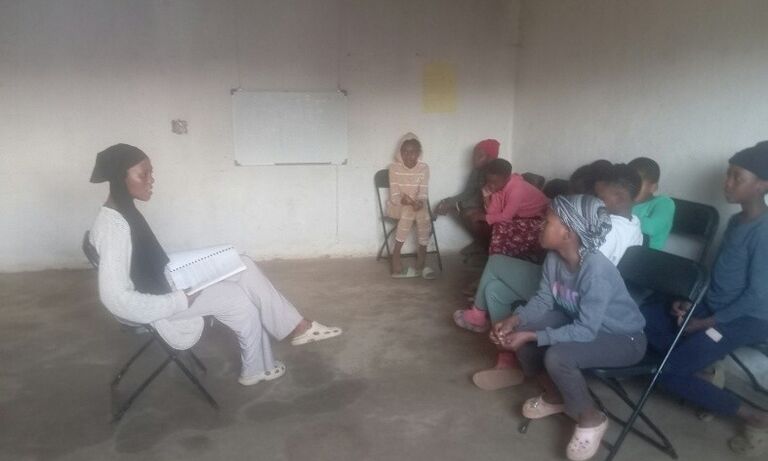
Before the programme was introduced, many children in the community faced significant emotional, behavioural and social difficulties. With limited access to safe recreational and support spaces, many spent their afternoons on the streets, exposing them to negative influences and potential harm. Others struggled with low self-esteem, poor emotional regulation, bullying, peer conflict and an uncertain sense of identity.
There were few opportunities for children to access consistent psychosocial support or learn healthy ways of expressing emotions. Recognising this need, Lefika La Phodiso established Safe Afterschool Spaces to provide a structured and therapeutic environment where children could feel safe, develop positive relationships and strengthen their emotional wellbeing.
The programme combines community art counselling with play-based healing, storytelling, creative arts and structured group activities. These approaches allow children to express feelings that may otherwise remain unspoken while building self-awareness, communication skills and resilience.
According to Boikanyo, the changes among participants have been remarkable.
"When I started working, they had behavioural issues, they were all over the streets, they had no respect at all, even among themselves."
Many of the children initially struggled to communicate their emotions, often responding to frustration through conflict or disruptive behaviour. Relationships between peers were frequently strained, and participants often lacked the confidence and emotional skills needed to navigate challenges in healthy ways.
Over time, consistent participation in the programme began to transform these behaviours. Through regular counselling sessions, creative activities and trusted relationships with facilitators, children were given the opportunity to understand and manage their emotions more effectively.
Boikanyo explains that children now demonstrate a much stronger capacity for emotional expression and interpersonal respect.
"They are now able to express their feelings, they are now able to respect each other, and they are now having a safe space that they can go to after school."
One of the programme's most significant achievements has been the creation of a safe environment where children feel listened to, valued and supported. Instead of spending afternoons in potentially harmful environments, participants now have access to a space that encourages learning, creativity and personal growth.
Facilitators have observed substantial improvements in emotional awareness, communication and social interaction. Children who previously struggled to engage constructively with peers now participate actively in group activities, share ideas confidently and demonstrate greater empathy towards others. Bullying and behavioural challenges have decreased, while cooperation and mutual respect have increased.
The positive changes extend beyond programme sessions. Parents and caregivers have independently reported improvements in their children's behaviour, confidence and emotional wellbeing. Many have noted stronger communication at home and healthier relationships with family members. Some families have even requested similar psychosocial support services for other household members after witnessing the benefits experienced by participating children.
This feedback provides powerful evidence of the programme's impact. Facilitator reports, session observations and family testimonies all point to meaningful improvements in children's resilience, social functioning and emotional wellbeing.
For Boikanyo, one of the most encouraging indicators of success is the response from parents.
"The parents are now able to see the changes in their children... they have seen the changes in the behaviours of their children."
The programme demonstrates that when children are provided with safe spaces, positive role models and opportunities for creative expression, they are better equipped to overcome challenges and develop healthy coping mechanisms. Through guided activities, they learn about personal boundaries, self-respect, emotional regulation and positive relationships, all of which contribute to their overall development.
Importantly, the programme also promotes gender equality and violence prevention by helping children understand respect, empathy and healthy interactions from an early age. These skills create a foundation for stronger, more inclusive communities and reduce the risk factors associated with violence and social exclusion. The success of the initiative has generated strong community support and growing demand. Parents increasingly recognise the value of psychosocial support and are advocating for the programme to reach more children. This community ownership creates a strong foundation for sustainability.
Looking ahead, Lefika La Phodiso plans to strengthen and expand the Safe Afterschool Spaces programme through ongoing facilitator development, continued management support and deeper community engagement. The organisation will continue providing children with therapeutic spaces where they can build confidence, develop leadership skills and strengthen their resilience.
The experiences of children participating in the programme demonstrate that meaningful change is possible when young people are given opportunities to heal and thrive. By combining creative arts, psychosocial support and trusted relationships, Lefika La Phodiso is helping children find their voices, strengthen their sense of belonging and build a brighter future.
More than an afterschool programme, the initiative is creating a generation of young people who feel seen, valued and empowered to realise their potential. In communities where safe spaces are often limited, that transformation is both powerful and lasting.
Comments
Related Stories Of Change