South Africa : From Compliance to Feminist Governance

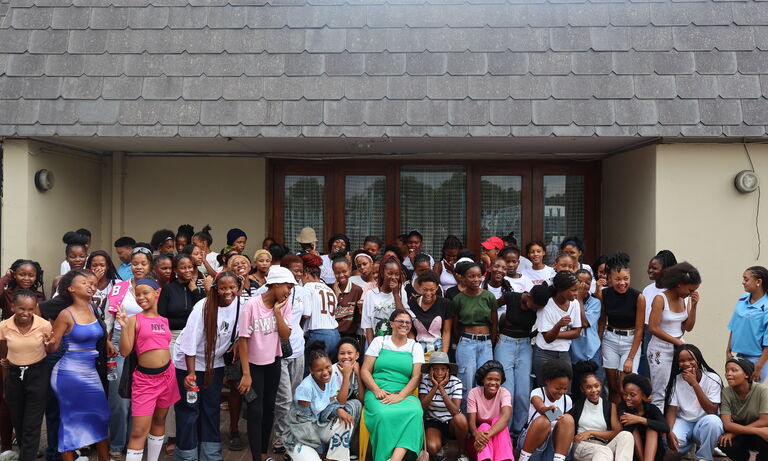
LifeLine Northern Cape is a well-established non-profit organisation based in Kimberley, delivering mental health services, gender-based violence (GBV) prevention, and HIV/SRHR programmes. Although the organisation has long served women, girls, sex workers, and LGBTQIA+ communities, its governance structures historically did not fully reflect the people it served.
Before working with Gender Links, LifeLine Northern Cape had functioning systems, but these were primarily compliance-driven. The Board was male-dominated, with only one woman and no sex worker or LGBTQIA+ representation. Policies existed but were not regularly reviewed. Monitoring systems operated largely at programme level rather than informing organisational strategy. Decision-making was reactive and board engagement inconsistent.
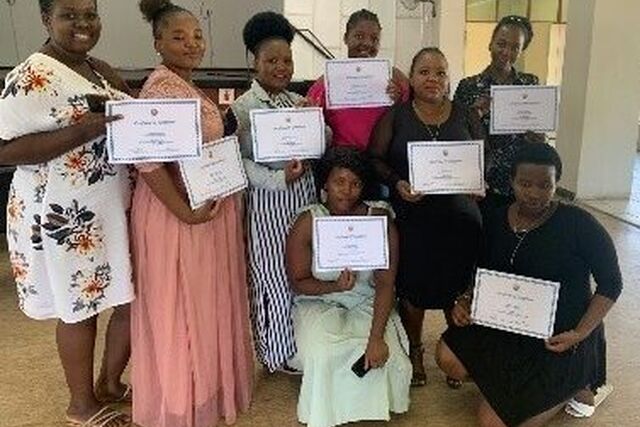
Through Gender Links due diligence processes, Linking and Learning sessions, and GL Academy training, the organisation began a deeper transformation. Leadership and staff participated in courses focused on Monitoring and Evaluation, SOGIE, Self-Care, and Fundraising and Sustainability. These strengthened internal capacity and shifted institutional culture.
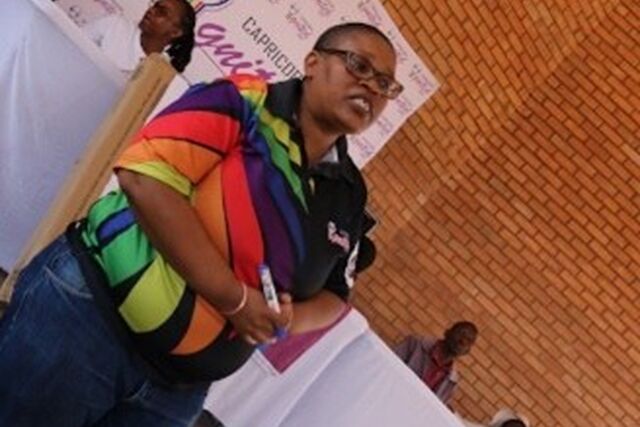
The organisation undertook intentional governance renewal. A Transgender Sex Worker and a member of the LGBTQIA+ community were appointed to the Board. Ahead of the AGM, three outgoing male board members are set to be replaced by two women and one man, creating more balanced and representative leadership.
Financial systems shifted from externally reliant processes to stronger in-house accountability, with clearer documentation trails, improved monthly reconciliations, and enhanced management oversight. Policies—including HR, Finance, Procurement, Safeguarding, Sexual Harassment, and Anti-Corruption—are undergoing review and alignment with feminist governance principles.
Monitoring and evaluation systems have been strengthened to support organisational learning. Staff now integrate programme data into planning, improving reporting accuracy and strategic decision-making. The organisation also adopted proactive sustainability planning rather than reactive fundraising.
Representation, accountability, and inclusive leadership now anchor governance practice. Through these reforms, LifeLine Northern Cape has moved toward becoming a values-driven organisation that reflects the communities it serves and maintains credibility with partners, donors, and beneficiaries.
The transformation demonstrates how feminist governance can reshape organisational culture. Representation is no longer symbolic; board structures now reflect community realities. Policies are grounded in equity and safeguarding. Staff demonstrate deeper awareness of power dynamics, inclusion, and wellbeing.
Sustainability is being embedded through institutional reforms rather than personal leadership. Formal policy adoption is planned for the AGM. Annual reviews and structured board oversight will ensure continued accountability. Other organisations can replicate this model by embracing reflective practice, formalising policies, strengthening representation, and engaging with feminist-informed governance frameworks.
Comments
Related Stories Of Change