South Africa: Gender & climate justice toolkit - Empowering communities to connect gender equality and climate action

Communities on the frontlines of climate challenges often experience the impacts of environmental degradation long before solutions reach them. In Barcelona, Gugulethu, Cape Town, residents face ongoing waste management challenges that affect their health, environment and quality of life. Yet conversations about climate change do not always recognise how these issues affect different people in different ways, particularly women, young people and other marginalised groups.
To address this gap, the Gender and Climate Justice Toolkit was developed as a practical resource to help communities and stakeholders better understand the connection between gender equality and climate justice. The toolkit aims to strengthen awareness of how environmental challenges intersect with social inequalities while encouraging more inclusive and gender-responsive approaches to local climate action.
Before the intervention, opportunities for community members to explore the links between gender and climate change were limited. Environmental discussions often focused on technical or physical aspects of climate issues without considering how people experience these challenges differently based on their social and economic circumstances. As a result, important perspectives were frequently missing from conversations on local environmental issues such as waste management in informal settlements.
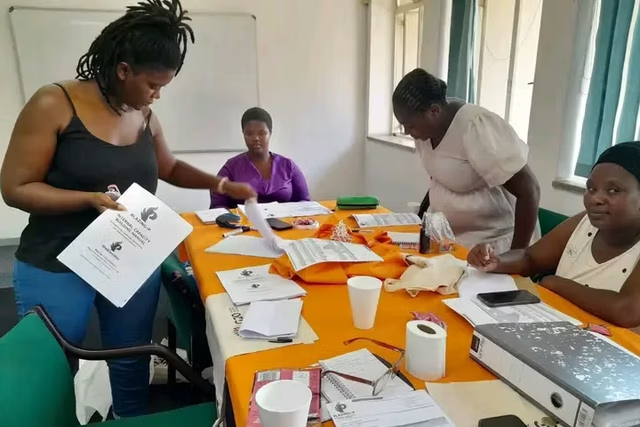
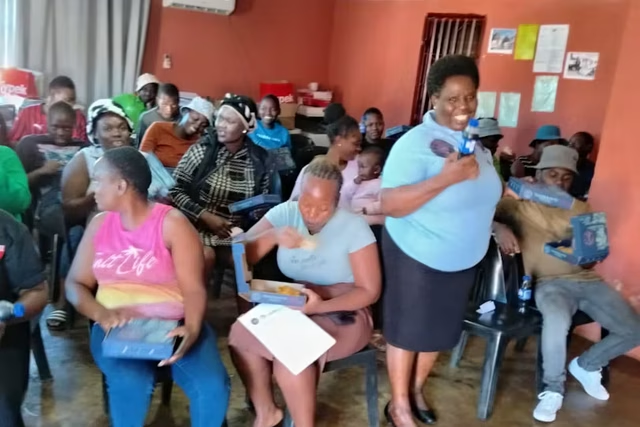
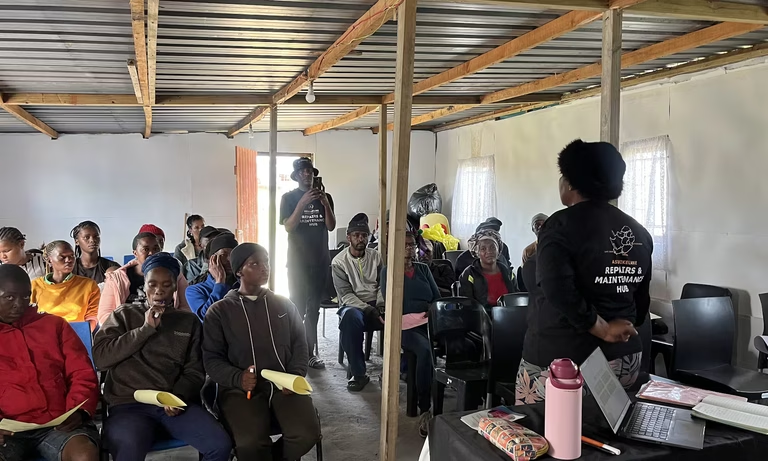
The introduction of the Gender and Climate Justice Toolkit marked a significant shift in how community members engaged with these challenges. Through an interactive workshop held in Barcelona, Gugulethu, participants were encouraged to reflect on their own experiences and explore how gender, inequality and climate change intersect in their daily lives. Rather than receiving information passively, community members actively participated in discussions, shared local experiences and considered practical solutions to the environmental challenges facing their community.
The workshop created a space where participants could connect local realities to broader conversations about climate justice. Discussions highlighted the importance of ensuring that climate action responds to the diverse needs and experiences of all community members. Participants examined how environmental challenges such as poor waste management affect communities and considered ways in which local leaders, government structures and residents can work together to create more sustainable solutions.
The change was evident not only during the workshop but also in the response that followed. Community members demonstrated a stronger understanding of gender-responsive approaches to climate action through their questions, reflections and contributions to the discussions. Participants showed an eagerness to learn more about accountability, civic participation and practical strategies for addressing local environmental challenges.
The impact of the workshop extended beyond the event itself. The toolkit was shared with both community members and stakeholders for future use, providing a resource that can continue to support learning and action. The growing interest generated by the workshop soon led to requests for further collaboration. One attendee reached out to the organisers to explore opportunities for facilitating similar workshops in another area where they work closely with communities facing related challenges.
Demand for additional engagements has become one of the clearest indicators of success. Community members expressed a strong desire for more learning opportunities and deeper engagement on issues of climate justice, governance and accountability. Their responses suggest that the workshop not only increased knowledge but also inspired greater interest in community participation and local action.
As community member Monwabisi explained:
“Please come back again so you can show us more ways to make our leaders accountable for their actions.”
This response reflects a growing understanding of the importance of active citizenship and community engagement in addressing local challenges.
Another participant, Joyce, highlighted the value of the learning experience:
“Please come back again, there is much more you guys can teach us.”
The enthusiasm expressed by participants demonstrates both the relevance of the content and the need for ongoing community-based education around climate justice and social accountability.
The demand for further engagement was also echoed by stakeholder Enrico Farrow, who shared:
“Yesterday we were engaging our informal settlements, and they actually asked us when you guys are coming back again.”
This feedback suggests that conversations initiated through the toolkit are continuing beyond
the workshop and generating wider interest within surrounding communities.
Looking ahead, the Gender and Climate Justice Toolkit will remain a central resource for community engagements, workshops and stakeholder collaborations. Plans are already underway to introduce the toolkit to additional communities and partner organisations. By gathering feedback from users and adapting future engagements to local needs, the initiative aims to strengthen its impact and reach.
The long-term goal is to support more communities in understanding and addressing the intersection of gender and climate justice. Through continued education, dialogue and collaboration, the toolkit can help ensure that climate action is more inclusive, responsive and grounded in the experiences of those most affected.
The experience in Barcelona, Gugulethu demonstrates the power of accessible, community-centred learning. By helping residents see the connections between environmental challenges, gender equality and local governance, the Gender and Climate Justice Toolkit is fostering not only greater awareness but also a stronger commitment to collective action. As interest continues to grow, the initiative is laying the foundation for more informed, engaged and resilient communities capable of driving sustainable change from the ground up.
Comments
Related Stories Of Change