South Africa: Finding my voice and belonging at Lefika La Phodiso

For many young people, growing up while facing emotional challenges can make it difficult to build healthy relationships, express feelings and participate confidently in social activities. For Nokwanda Ndlovu from the Tjovitjo community in Lenasia South, these struggles shaped much of her daily life before joining Lefika La Phodiso's Safe Afterschool Spaces programme.
At the beginning of the programme, Nokwanda experienced significant emotional and behavioural challenges. She often found it difficult to regulate her emotions and responded to frustration, conflict and disappointment with aggression and defensiveness. Communicating her feelings was not easy, and these difficulties often affected her relationships with her peers and limited her participation in group activities.
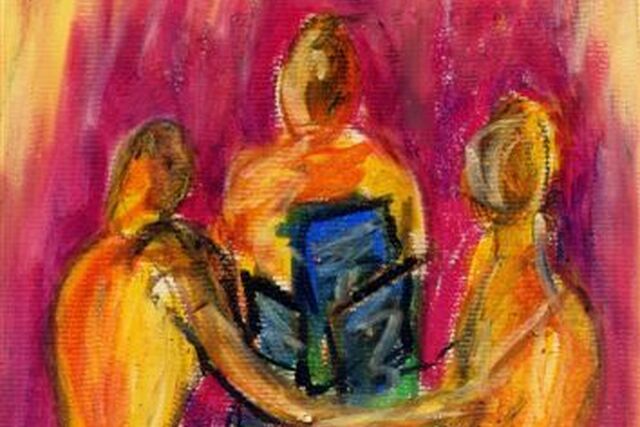
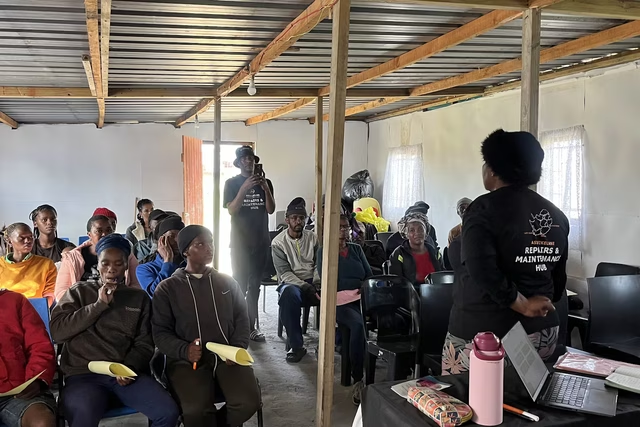
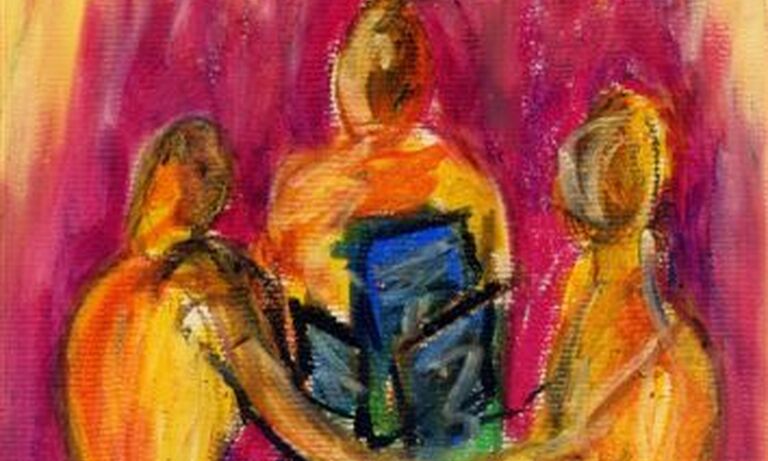
Despite these challenges, Nokwanda attended the programme consistently. Over time, she began building trust in the facilitators and in the safe, non-judgemental environment created through the Safe Afterschool Spaces project. As her confidence grew, she became more willing to share some of the personal challenges she was experiencing. This enabled facilitators to better understand her needs and provide targeted psychosocial support through individual check-ins, group discussions and creative arts-based activities. The programme uses community art counselling as a tool to support emotional wellbeing and personal development. Through activities such as drawing, storytelling, group discussions and other forms of creative expression, participants are given safe opportunities to process emotions, reflect on their experiences and develop healthier coping strategies.
For Nokwanda, these sessions became a turning point. Creative expression provided an outlet for emotions that she had previously struggled to communicate. Through regular participation, she developed greater emotional awareness and began recognising the triggers that influenced her reactions. She learned practical ways to manage difficult emotions, including pausing before responding, expressing her feelings verbally and seeking support when she felt overwhelmed.
One of the most significant changes observed was her improved emotional regulation. Facilitators noted that behaviours that had previously resulted in conflict and disruption became far less frequent. Instead of reacting impulsively, Nokwanda increasingly demonstrated self-control and a willingness to communicate her concerns respectfully.
As her emotional wellbeing improved, so did her relationships with others. Facilitators observed positive changes in her interactions with peers and her overall participation in programme activities. Nokwanda became more involved in group discussions, collaborated during creative exercises and developed healthier relationships within the group.
The change was noticeable not only to facilitators but also to other participants. Young people who had previously been hesitant to engage with her began interacting more positively, helping to create a more supportive and inclusive group environment. Her willingness to listen to others, contribute ideas and work cooperatively reflected a growing sense of belonging and emotional safety.
Nokwanda also demonstrated increased patience, greater openness to guidance and stronger conflict-resolution skills. While she continues to benefit from ongoing support and encouragement, the frequency and intensity of her behavioural outbursts have reduced significantly.
Reflecting on her journey, Nokwanda described how the programme changed the way she relates to others.
"This session made me change, made me not laugh at anyone and not judge people about their situation."
She also spoke about the deeper understanding she has developed through the programme.
"Since I joined these sessions, I am a good person and I can understand children's situation."
Perhaps most importantly, Nokwanda has learned that seeking and sharing support is a strength rather than a weakness.
"Even some days I'm not good, but I can still share this situation with my members in our sessions."
Evidence of this change comes not only from facilitator observations and session reports, but also from Nokwanda's own reflections. During her testimonial, she described how she has become more respectful and understanding of others, gained empathy for the challenges people face and developed the confidence to share lessons learned from the programme with fellow participants. Her ability to apply these lessons in her everyday life demonstrates meaningful and sustained growth.
The benefits of Nokwanda's transformation extend beyond her individual experience. Her improved behaviour and communication skills have contributed to a safer, more supportive and inclusive environment for other participants. Facilitators reported greater cooperation, stronger peer relationships and increased participation across the group, highlighting the wider impact that individual growth can have within a community setting. Looking ahead, Lefika La Phodiso will continue supporting Nokwanda through regular community art counselling sessions, mentorship and psychosocial support. As her confidence and leadership skills develop, she will be encouraged to serve as a positive role model for other participants by sharing her experiences and encouraging healthy ways of managing emotions and resolving conflict.
The organisation also plans to continue strengthening the Safe Afterschool Spaces programme in underserved communities, expanding opportunities for peer learning, leadership development and community engagement. Lessons learned from stories such as Nokwanda's will help shape future programme design and contribute to broader efforts to promote children's wellbeing, social inclusion and violence prevention. Nokwanda's journey demonstrates the transformative power of safe spaces, trusted relationships and creative expression. When young people are given opportunities to heal, learn and develop emotional resilience, they can build healthier relationships, strengthen their confidence and discover a sense of belonging. Her story is a powerful reminder that change is possible when young people are supported to find their voice and realise their potential.
Comments
Related Stories Of Change