Lesotho: Twice invisible - Disabled girls, period poverty, and school exclusion in Lesotho

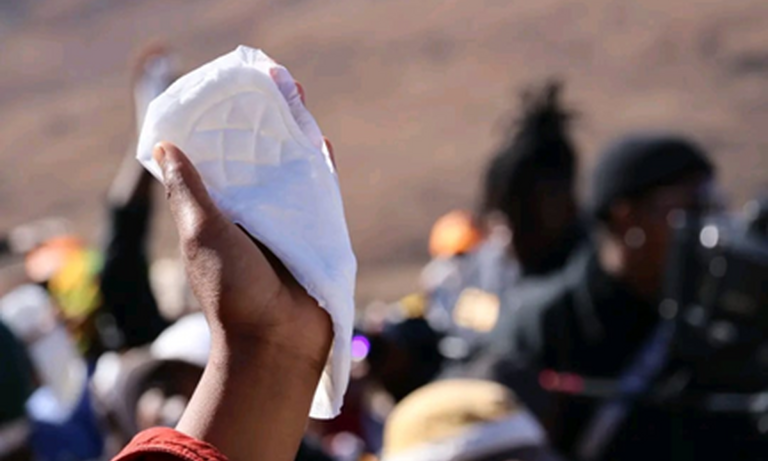
The article examines how menstrual poverty disproportionately affects girls and young women with disabilities in Lesotho, compounding exclusion from education, dignity and social participation. Through testimonies of visually impaired girls and young women, the story shows how lack of access to sanitary products, inadequate sanitation facilities and persistent stigma force many to miss school during menstruation or withdraw entirely from education.
The article highlights how disability, poverty and silence intersect, with families often unable to afford sanitary products and parents lacking information on how to support menstruating girls with disabilities. Girls describe using cloths or improvised materials, facing ridicule at school, and feeling invisible within households and institutions. These experiences contribute to absenteeism, emotional distress and long-term educational disadvantage.
Drawing on perspectives from disability rights advocates, health professionals, education officials and UN agencies, the story underscores gaps in policy coordination, disability-inclusive menstrual health programming and accessible information. It stresses the need for free sanitary pad distribution, disability-friendly WASH facilities, inclusive sexuality education and better data collection to ensure that girls with disabilities are not left behind in Lesotho’s education and health systems.
LINK TO PUBLISHED STORY: https://www.lena.gov.ls/34597-2/
This article, first published by Lesotho News Agency, is part of the Media Parity Capacity Building and republished as part of the programme series.
Comments
Related news