South Africa: Financing education for democracy means investing in the whole child

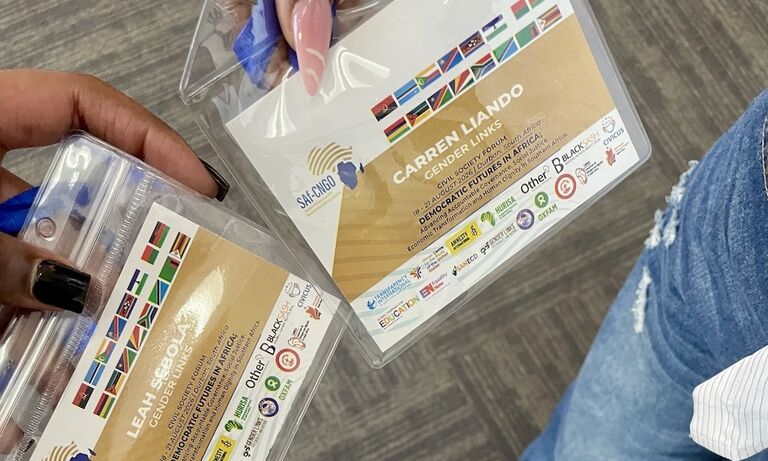
Some conference conversations stay with you long after the session ends. For me, the “Education Futures: Education Financing for Democracy” session at the Southern African Civil Society Forum in August was one of them.
The discussion on financing gaps, inequality and policy choices raised a question that should sit at the centre of education reform: what does quality education mean if we are not educating and supporting the whole child? South Africa allocated approximately R491.4 billion to education in 2024/25, representing about 21% of national government expenditure and 6.7% of GDP. Yet significant inequalities and gaps remain. Education must be more than classrooms, textbooks and examination results. It must give young people the knowledge, dignity, safety and support they need to participate meaningfully in society.
The central financing challenge is therefore not only how much governments spend on education, but what they choose to recognize as essential to learning. A democratic education system cannot be built around academic inputs alone when learners’ ability to attend, participate and stay safe is shaped by health, dignity and protection. Financing the whole child must be treated as a core education investment, not a social add-on.
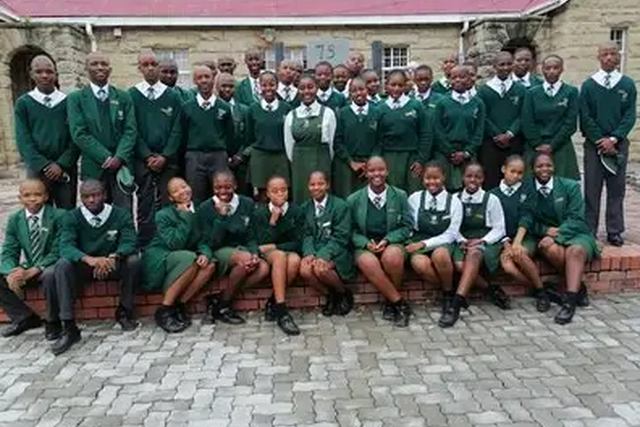
When talking about improving education democracy across SADC, we must look at the realities young people face inside and outside the classroom. A learner cannot be expected to perform academically while dealing with hunger, violence, poverty, menstrual stigma, mental health challenges, early pregnancy or pressure to enter relationships or marriages before they are ready. This is why education financing must include Sexual and Reproductive Health and Rights (SRHR), menstrual health, mental health, gender-based violence prevention and child protection. These are not optional add-ons; they are fundamental to an education system that promotes equality.
South Africa's adolescent pregnancy figures show the urgency. In the 2024/25 financial year, 117,195 girls aged 10–19 gave birth, according to government figures. Behind every statistic is a young person whose education and future may be disrupted. Across SADC, child marriage remains a major challenge, with Zimbabwe, Zambia, Malawi, Mozambique, Madagascar and Tanzania among the countries still facing significant levels of child marriage. If we want to reduce teenage pregnancy and child marriage, we must invest in education that gives young people accurate information about their bodies, rights, relationships and choices, while strengthening the systems that protect them. Schools can be powerful spaces for prevention. When girls know their rights, understand their bodies and have access to trusted adults and services, they are better equipped to make informed decisions.
Proper integration of SRHR and comprehensive sexuality education into schools should include age-appropriate education on puberty, bodily autonomy, consent, healthy relationships, contraception, HIV and STI prevention, gender-based violence, reproductive health and access to appropriate services. Most importantly, both girls and boys must be included. We cannot teach girls how to prevent pregnancy while leaving boys outside the conversation. Proper SRHR education can also help young people identify abuse, challenge harmful gender norms and seek support when they are at risk.
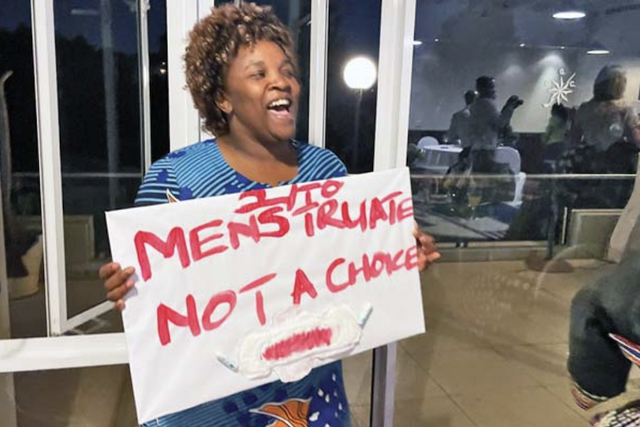
Menstrual health is equally an education issue. Period poverty continues to affect whether girls can fully participate in school. A study of female learners in Gauteng found that one in seven girls did not have enough menstrual products for every period during the previous three months, and almost half of those with inadequate access reported missing school. South Africa has made progress through initiatives such as the Sanitary Dignity Programme, which has provided menstrual products to millions of learners, but menstrual dignity requires more than pads. Schools need reliable water, safe and private sanitation facilities, disposal systems, menstrual health education and environments where girls can talk about menstruation without shame. Menstrual health education should also be integrated into SRHR rather than treated separately. Boys should understand menstruation too, because removing stigma requires everyone. Financing education for equality means financing period-friendly schools.
We cannot talk about quality education without talking about mental health. UNICEF’s 2024 situation analysis found that 24% of young people in Grades 8–11 reported depression, hopelessness or sadness, while 21% had attempted suicide at least once. These figures show why schools need trained teachers, counsellors, safe spaces, referral systems and age-appropriate psychosocial education. Young people cannot learn fully when they are carrying trauma, pressure or fear alone.
Ultimately, the Education Futures conversation reminded me that financing education is an investment in democracy’s future. If we are serious about improving education quality across SADC, we must move away from fragmented approaches and invest in whole-child, whole-school and whole-community solutions. This means financing comprehensive SRHR education for girls and boys, menstrual health programmes, menstrual products, safe water and sanitation, mental health and psychosocial support, GBV prevention, child marriage prevention, support for pregnant learners and young parents, teacher training and youth participation in education policy.
If children are properly educated and supported, both girls and boys can help change the conditions that contribute to teenage pregnancy, child marriage, violence and suicide. Education must give young people more than qualifications; it must give them knowledge of their rights, confidence in their bodies, emotional support, dignity and the ability to make informed decisions about their lives. A truly democratic education system gives every child, regardless of gender or socioeconomic background, a genuine opportunity to learn, feel safe, participate and imagine a future beyond the circumstances into which they were born.
For SADC, SRHR, menstrual health and mental health are not side issues. They are education issues, equality issues, human rights issues and, ultimately, democracy issues.
Comments
Related news